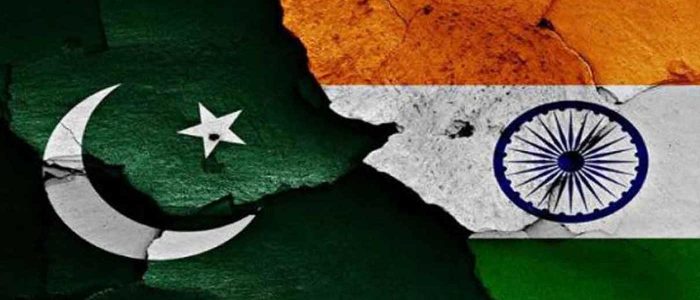

In a region already burdened by historical animosity, recent developments along the Line of Control (LoC) have brought South Asia perilously close to another armed confrontation. The inflammatory rhetoric emanating from New Delhi, coupled with heightened military activity, must be seen for what it is: a dangerous gamble in a nuclear neighbourhood. The time for sabre-rattling is over. What the region desperately needs is restraint, dialogue, and diplomacy — not war drums and blame games.
Over the past few days, Pakistani officials have issued stark warnings. Information Minister Attaullah Tarar suggested India might be “planning something” within days, while Deputy Prime Minister Ishaq Dar warned of potential escalation. These statements align with troubling signs on the ground — Indian drones shot down in Azad Jammu and Kashmir, increased LoC skirmishes, and Indian warplanes reportedly patrolling near the border, only to be intercepted by Pakistan Air Force jets.
All of this follows the tragic attack in Pahalgam on April 22, which India swiftly pinned on Pakistan without presenting conclusive evidence. Predictably, Pakistan has denied involvement. But what is most alarming is the way the Indian government and media machinery have rushed to construct a narrative of aggression, sidestepping proof and inflaming public opinion in the process. The decision by Prime Minister Modi to grant “operational freedom” to the Indian military is a troubling escalation — one that signals willingness to flirt with conflict at a time when calm and clarity are desperately needed.
The reality is stark: in a region where both countries possess nuclear arsenals, even a limited conflict risks spiralling into catastrophic consequences. This is not just about cross-border tensions — it is about regional stability and the fate of millions. We must remind ourselves that wars, once begun, rarely remain under control.
India’s refusal to allow a neutral third-party investigation into the Pahalgam attack raises further questions about its intent. If there is compelling evidence of external involvement, it should be shared transparently with Pakistan and the international community. Manufacturing a crisis — or exaggerating threats for political leverage — is a strategy that may serve short-term domestic agendas but comes at the cost of long-term regional peace.
There is still time to turn back from the brink. The UN secretary-general has offered mediation. The United States, Gulf nations, Russia, and other influential stakeholders must step up and urge both nations — especially India — to de-escalate. Encouragingly, U.S. Secretary of State Antony Blinken has reached out to Prime Minister Shehbaz Sharif, a sign that Washington is taking the matter seriously. It must now apply equal pressure on New Delhi to show restraint.
Pakistan has made its position clear: it does not seek war, but it will defend itself if forced. That clarity, however, should not be mistaken for recklessness. Islamabad has repeatedly called for constructive dialogue — including on the longstanding Kashmir issue. Yet the BJP government continues to reject engagement, instead preferring muscular posturing and nationalist narratives that play well with a domestic audience but destabilize the region.
Nearly eight decades of hostility have yielded little for the people of India or Pakistan. The cycle of blame and brinkmanship must be broken. True leadership lies in choosing diplomacy over destruction, in pursuing peace over political points.
As tensions mount, the window for peaceful resolution narrows. India must urgently tone down its belligerence and demonstrate the maturity expected of a regional power. Both nations — and their people — deserve better than another war. They deserve statesmanship.
If this region is to avoid disaster, the time to act is now.