The United Kingdom and the European Union have agreed on their most significant post-Brexit reset yet, forging new arrangements on defence, trade, and mobility in a wide-ranging deal. The breakthrough comes amid global instability and renewed calls for European self-reliance, which have encouraged both sides to move past the acrimony of Brexit.
Nearly nine years after the UK voted to leave the EU, the new agreement includes a security and defence pact, relaxed rules for UK food exporters and travelers, and a controversial long-term fishing arrangement.
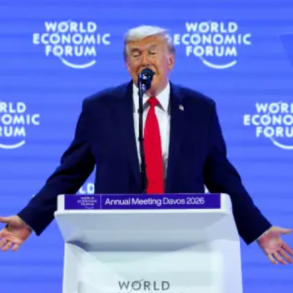
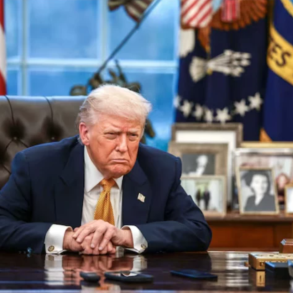
Prompted by former U.S. President Donald Trump’s disruption of the global order, the deal also reflects changing priorities. His imposition of tariffs and push for Europe to strengthen its own defences helped accelerate a reassessment of strategic partnerships, bringing UK Prime Minister Keir Starmer closer to EU leaders.
Starmer, who supported remaining in the EU during the 2016 referendum, is betting that tangible benefits—like faster access through EU airport e-gates—will outweigh criticism from hardline Brexit supporters, including Reform UK leader Nigel Farage, who has branded the agreement a “betrayal.”
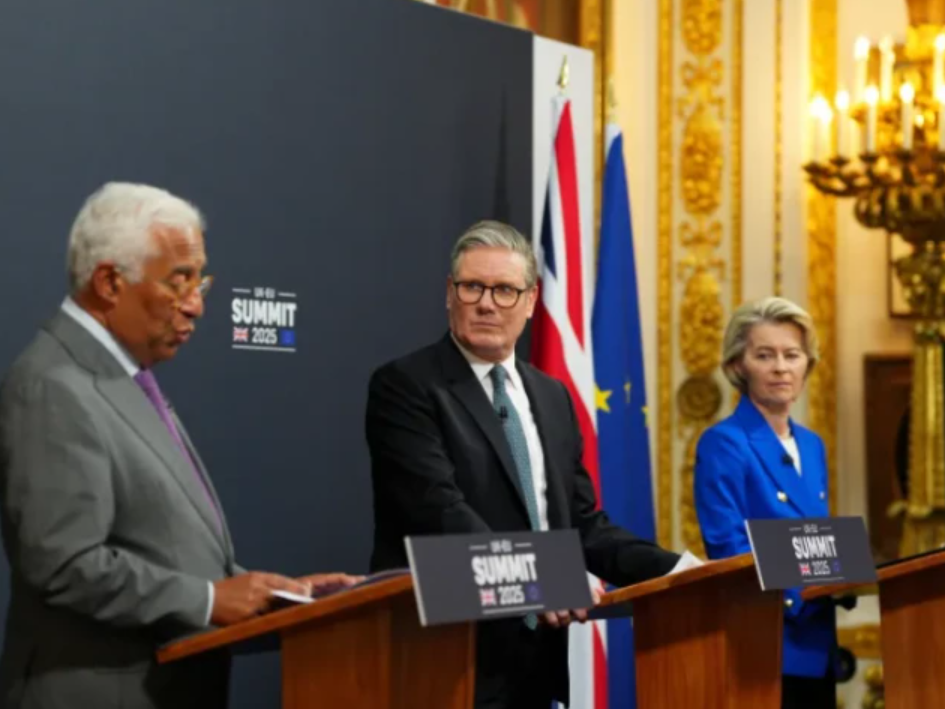
Standing alongside European Commission President Ursula von der Leyen and European Council President Antonio Costa at Lancaster House in London, Starmer hailed the agreement as “a new era in our relationship.” Von der Leyen echoed the sentiment, saying the deal shows European unity in the face of global threats.
The UK government said the agreement will reduce bureaucracy for food producers—helping to lower prices—strengthen energy security, and potentially add £9 billion ($12.1 billion) to the economy by 2040. While the immediate economic impact may be limited, it’s expected to boost business confidence and attract investment.
Central to the pact is a new defence and security framework that allows the UK to participate in joint procurement initiatives. British firms such as Rolls-Royce and Babcock will now be eligible to contribute to a €150 billion ($167 billion) European rearmament programme.
The fishing deal, which grants UK and EU vessels access to each other’s waters for 12 years, drew criticism from some quarters. In return, the UK secures streamlined customs procedures and fewer border checks for food exports—a longstanding barrier for small producers.
The agreement also includes a preliminary plan to allow young people from the UK and EU to live and work across borders for fixed periods, with details still to be finalized. Discussions are also underway about rejoining the Erasmus+ student exchange programme.
The opposition Conservative Party, which oversaw the original Brexit deal, criticized the new agreement, warning it could lead to increased EU influence over UK policy. Farage denounced it as a “total surrender,” while the Scottish Fishermen’s Federation called it a “horror show” due to extended EU access to UK waters.
Repairing Relations
Labour MP Chris Curtis argued the deal helps fix problems caused by the previous Conservative-led exit strategy. He acknowledged that compromise was necessary: “It’s easy to claim you can get everything without giving anything up, but that’s just not realistic,” he told Reuters.
The 2016 Brexit referendum exposed deep divisions in British society over issues like immigration, sovereignty, and trade, sparking years of political turmoil that saw five prime ministers before Starmer took office in 2024. Relations with Brussels were also deeply strained.
Although a majority of Britons now express regret over leaving the EU, polls show little appetite to rejoin. Farage remains a powerful figure in British politics, limiting Starmer’s ability to pursue deeper EU integration.
Instead of pushing for full re-entry into EU structures like the single market, Starmer focused on targeted improvements in trade access—an approach often criticized by Brussels as “cherry-picking.”
To ease food trade, the UK agreed to align with certain EU standards, a move that brings some regulatory oversight from Brussels. Starmer is expected to argue that the economic benefits—particularly for small businesses and farmers—justify the compromise.
Despite the improved ties, the UK economy remains significantly changed from its pre-Brexit state. London’s financial sector has lost thousands of jobs and suffered a decline in output and tax revenue, according to research.