ISLAMABAD:
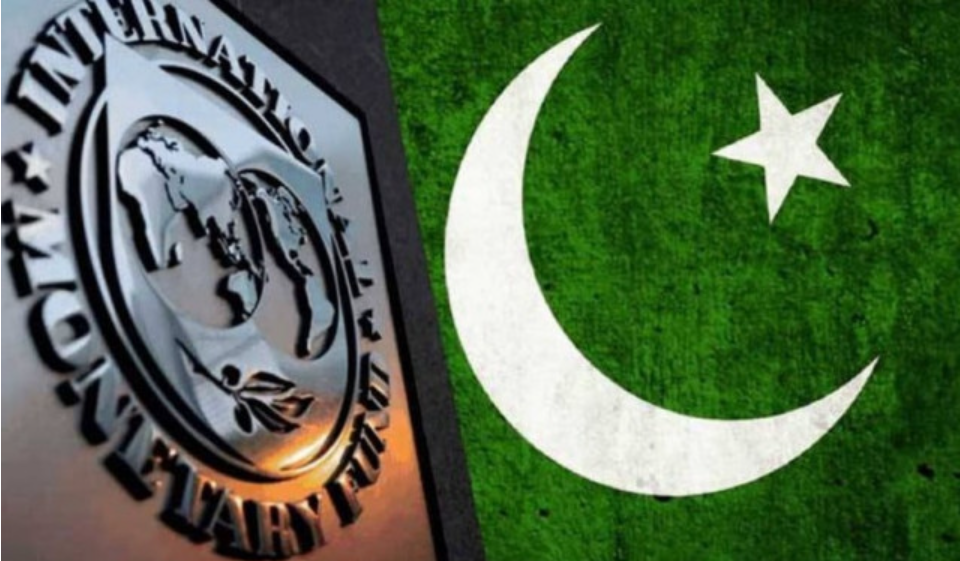
As Pakistan continues to lean heavily on foreign consultants for economic policymaking, independent think tank Tola Associates has advised the government to clearly choose between adopting a domestically driven economic approach or continuing to follow foreign lender-led strategies, particularly those of the International Monetary Fund (IMF).
The think tank’s recommendation comes amid a significant overhaul of the country’s tariff policy, under which foreign experts are promoting broad economic liberalisation. However, key economic ministries have raised concerns, warning that such liberalisation could harm domestic industries and lead to job losses.
According to the report released Thursday, Pakistan’s economic policy is at a crossroads. It presents a stark choice between home-grown solutions—focused on sustainable growth—and the IMF’s orthodox approach, which has so far led to high inflation and stunted growth.
Home-Grown vs IMF-Driven Policies
The think tank emphasized that a self-reliant economic framework should aim to align interest rates closely with inflation to lower debt servicing costs, stabilize the exchange rate, boost economic growth, and shrink the fiscal deficit. In contrast, IMF-recommended measures emphasize tight monetary policy, reliance on imports, and sharp tariff cuts—policies that the report argues have contributed to economic stagnation and rising prices.
Revenue Impacts and Budget Choices
The government’s commitment to slash import tariffs by nearly half over five years is expected to cost Rs200 billion in lost revenue in the first year alone. Despite the IMF supporting this liberalisation move, it has resisted proposals for tax relief to the salaried class—measures that would cost less than Rs100 billion but would provide critical support to a financially strained demographic.
Recommendations for Industrial Growth
Tola Associates stressed the need to shift focus to industrial development in the upcoming fiscal year. Its suggestions include:
- Lowering interest rates for industrial borrowers
- Reducing electricity tariffs
- Ending export financing schemes for semi-finished and finished goods
- Designing a balanced tariff structure for raw materials
The report also advocates targeted subsidies for sectors like textiles, leather, and engineering based on performance. While previous efforts at import substitution have yielded limited success, the think tank argues that future strategies should pivot toward boosting exports.
Agricultural Potential and Currency Outlook
The report highlights agriculture’s untapped potential to enhance exports by $2.2 billion. Improvements in cotton and rice yields and reducing production costs could also restore Pakistan’s wheat surplus.
Based on its analysis, if the current account deficit remains within the FY2025 target of 0.4% of GDP, the rupee should stabilize near Rs272 against the US dollar. Even with valuation adjustments, it should not exceed Rs282. However, ongoing liquidity issues and high dollar demand from major importers like PSO and PARCO continue to pressure the exchange rate.
Potential for Currency Gains and Inflation Relief
If agricultural reforms push the current account into a 0.1% surplus next fiscal year, the rupee could appreciate by up to Rs23, potentially reducing inflation by 4.6%. This would allow the central bank to lower interest rates, ease debt burdens, and create greater fiscal space.
The report projects that if Pakistan aligns interest rates with inflation, the policy rate could be cut by 4.6%, leading to savings of up to Rs2.4 trillion in interest payments. Even a modest 1% cut would reduce debt servicing costs by Rs515 billion.
Conclusion
Tola Associates concludes that Pakistan must strategically decide whether to continue down the IMF-recommended path or chart a more balanced, self-directed course that better addresses local needs and economic realities.