KARACHI:
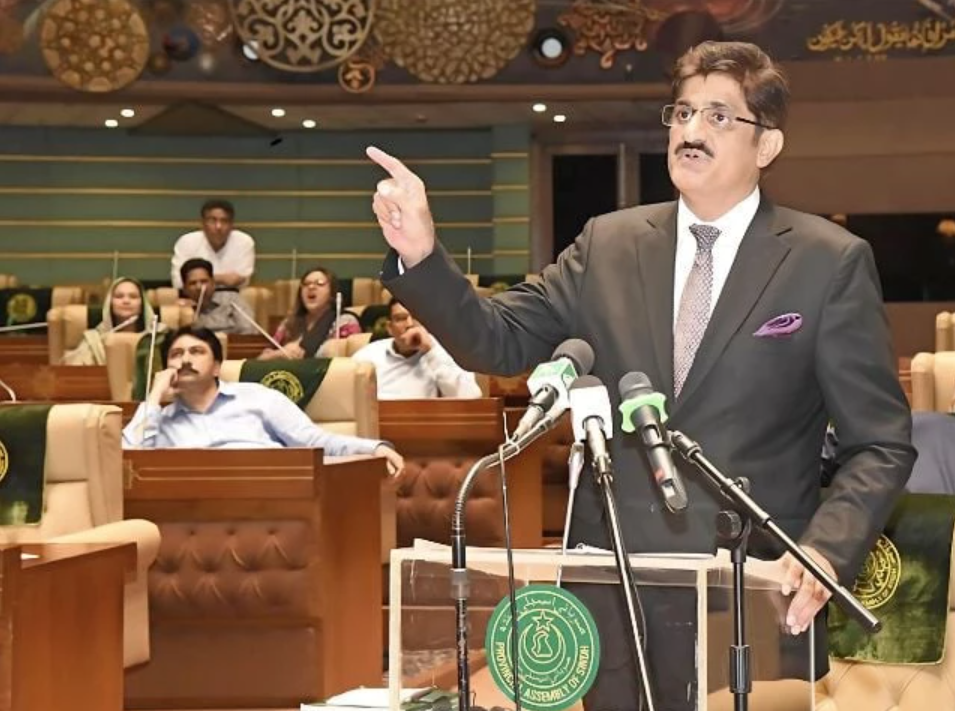
Sindh Chief Minister Syed Murad Ali Shah presented the provincial budget for the fiscal year 2025–26, amounting to Rs3,451.87 billion, reflecting a 12.9% increase from the previous year. The budget carries a deficit of Rs38.458 billion and prioritises education, health, infrastructure, and social protection, with a strong focus on inclusive and sustainable development.
Key Announcements
- Salary & Pension Hikes:
- 12% raise for government employees in BPS-1 to BPS-16
- 10% increase for BPS-17 to BPS-22
- 8% hike in pensions
- Enhanced conveyance allowance for differently-abled employees
- Clearance of pending pension dues
- Tax Relief:
- Elimination of five levies: Professional Tax, Entertainment Duty, Drainage Cess, Cotton Fees, and Local Cess
- Reduction in motor vehicle tax
- Sales tax reform via a shift to the Negative List system
Revenue & Expenditure
Sindh’s total projected receipts for FY 2025–26 stand at Rs3,411.5 billion, up by 11.6% from the previous year. Transfers from the federal divisible pool are estimated at Rs1,927.3 billion, comprising 75% of the total revenue, with total federal transfers expected to reach Rs2,095.6 billion.
- Current Revenue Expenditure (CRE):
Rs2,149.4 billion, up 12.4%, mainly due to inflation, salary increases, pensions, and higher institutional grants. - Overall Expenditure:
Rs3,450 billion, up 12.9%. Major allocations include:- Police: Rs189.75 billion (↑15.7%)
- Health: Rs336.46 billion (↑11.3%)
- Education: Rs518.05 billion (↑18%)
- Rs20 billion for pro-poor and economic resilience programs
Education Sector
The education budget has been set at Rs523.73 billion, a 12.4% increase from last year, representing over 25% of the CRE. Key initiatives include:
- 4,400 new hires
- Establishment of four IBA Community Colleges
- Direct budgetary allocations to over 34,100 primary schools
- Rs2 billion for the Sindh Educational Endowment Fund
- Primary education allocation: Rs156.2 billion (↑from Rs136.2bn)
- Secondary education: Rs77.2 billion (↑from Rs68.5bn)
Health Sector
The health allocation has increased to Rs326.5 billion (↑8%), with Rs146.9 billion as grants-in-aid to hospitals and health units. Key allocations:
- Rs19 billion for SIUT
- Rs16.5 billion for PPHI
- Rs10 billion for a new hospital in Larkana
- Expanded ambulance and mobile diagnostic services
Development Portfolio
The Annual Development Program (ADP) has been rationalised to Rs520 billion (↓20%) due to expected federal shortfalls. It includes 475 new projects prioritising:
- Flood rehabilitation
- Renewable energy
- Water and sanitation
- Underserved district development
Sectoral ADP Highlights:
- Education: Rs99.6 billion
- Health: Rs45.37 billion
- Irrigation: Rs73.9 billion
- Local Government: Rs132 billion
Karachi Development
Major infrastructure initiatives include:
- Road rehabilitation and water/sewerage upgrades
- Expansion of electric bus fleet (50 launched, 100 more by August 2025)
- Yellow Line BRT near completion; Red Line over 50% complete
- Karachi Safe City project expanded with AI-integrated CCTV systems
- Progress on Korangi Causeway Bridge and Shahrah-e-Bhutto enhancements
Governance & Digital Initiatives
- Launch of KPI-based dashboard for real-time project tracking
- Blockchain-enabled land records for greater transparency
- Digital birth registration system aiming for full coverage by 2028
Agriculture & Social Protection
- Benazir Hari Card to support 200,000 farmers with subsidies and mechanisation aid
- Climate-smart agriculture initiatives with drip irrigation support
- Feasibility study underway for Sindh Cooperative Bank offering interest-free loans
- Rs17.3 billion for DEPD to support people with disabilities
- Youth Development Centres for skill training and digital literacy
Welfare Measures
- Special grants for lawyers, journalists, and minority communities
- Empowerment of school headteachers with direct operational funds
- Expansion of rehabilitation facilities and support programs for persons with disabilities
Chief Minister Shah highlighted that the budget is a roadmap toward unlocking Sindh’s potential through inclusive growth, better governance, and economic stability. Calling for unity and shared purpose, he said the proposed measures aim to lay the foundation for peace, progress, and prosperity across the province in the year ahead.Tools