Over 700,000 Visit Northern Spots; Rain, Dust Storms Ease Scorching Temperatures
ISLAMABAD / LAHORE / PESHAWAR:
As a westerly weather system brings scattered rain and dust storms across parts of Pakistan, Khyber-Pakhtunkhwa’s scenic valleys witnessed a record-breaking influx of tourists during the three-day Eidul Azha holidays, with nearly 700,000 visitors flocking to popular hill stations.
According to Khyber Pakhtunkhwa Culture and Tourism Authority (KPCTA) Director General Habibullah Arif, the province experienced an exceptional tourism boom, with destinations such as Swat, Galyat, Chitral, Dir, Naran-Kaghan, and Malam Jabba packed with holidaymakers seeking cooler climes and scenic getaways.
“We are thrilled by the overwhelming response,” said Arif in a televised interview. “This surge highlights the growing appeal of K-P’s natural beauty, cultural richness, and warm hospitality.”
He noted Swat alone welcomed 288,000 tourists, Galyat 177,000, and Chitral and Upper Dir around 100,000 combined. Many were drawn by the region’s lush landscapes, adventure opportunities, and local traditions.
Arif emphasized the KPCTA’s commitment to sustainable tourism, vowing improvements in infrastructure, services, and pricing regulation. “We are striving to make travel both enjoyable and affordable,” he added, stating efforts are underway to regulate food and hotel prices to keep tourism accessible.
He further revealed that the province is actively working to promote lesser-known destinations and plans to expand camping and adventure tourism in unexplored regions.
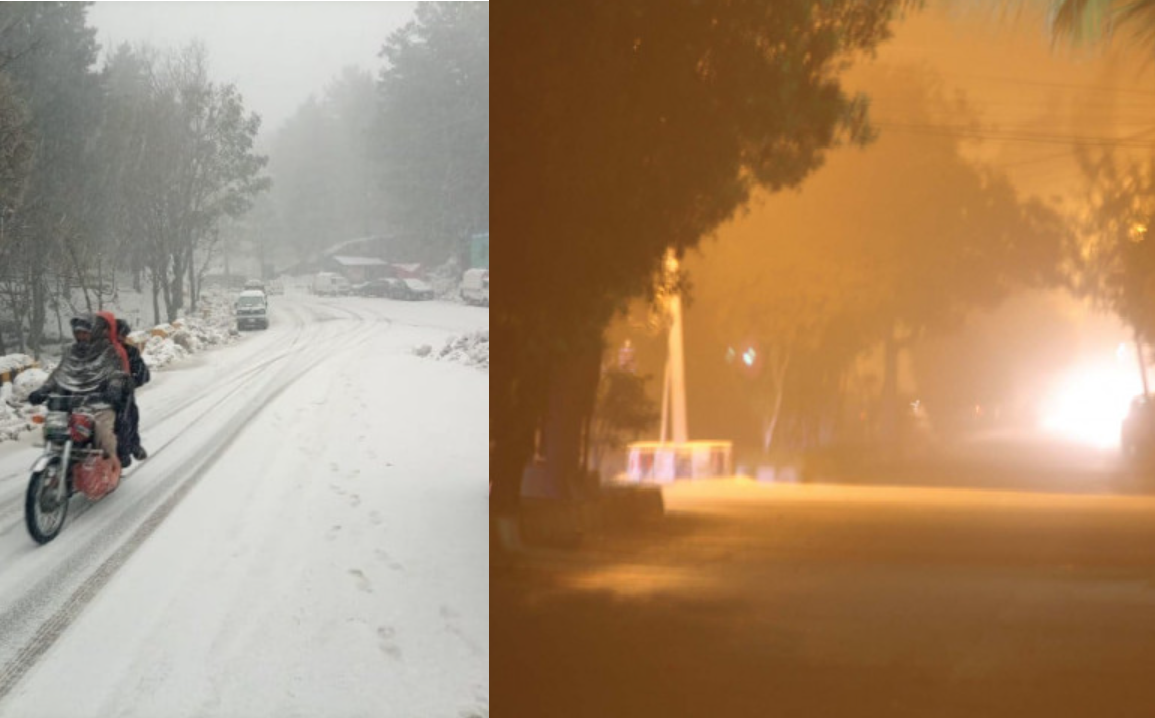
The tourism rush coincides with easing heatwave conditions across Punjab, Khyber-Pakhtunkhwa, and Kashmir, thanks to a westerly weather system interacting with moist air from the Arabian Sea, according to the Pakistan Meteorological Department (PMD).
The PMD forecast dust storms, thundershowers, and scattered rain over the weekend, particularly in Murree, Galliyat, Rawalpindi, Lahore, Multan, Bahawalpur, Faisalabad, and several other districts.
While temperatures remained high — with Bahawalnagar peaking at 49°C — showers brought some relief. Murree recorded the lowest temperature in the region at 17°C.
The highest rainfall was seen in Gujrat (11.6 mm), followed by Mangla (5.8 mm) and Sialkot Airport (3.8 mm).
Rain and strong winds are expected to continue through June 16, extending to Gilgit-Baltistan, northern Balochistan, and parts of Khyber-Pakhtunkhwa. Authorities have been urged to remain vigilant as severe weather could disrupt infrastructure including power lines, trees, and solar installations.
The PMD also advised tourists, farmers, and travelers to exercise caution and stay informed about changing conditions.
Meanwhile, health officials in Lahore raised a dengue alert, urging citizens to keep their surroundings clean and dry as stagnant water becomes a breeding ground for mosquitoes post-rain.
Speaking at an awareness walk at Lahore General Hospital, Professor Farooq Afzal, Principal of Ameerud Din Medical College, described dengue as both a medical and social challenge. He called on women in health and education sectors to spearhead community awareness campaigns to prevent the spread of mosquito-borne illnesses.
As Pakistan enjoys a temporary reprieve from the extreme heat, the convergence of improved weather and vibrant tourism paints a positive picture—but also underscores the need for preparedness, sustainable development, and health vigilance.