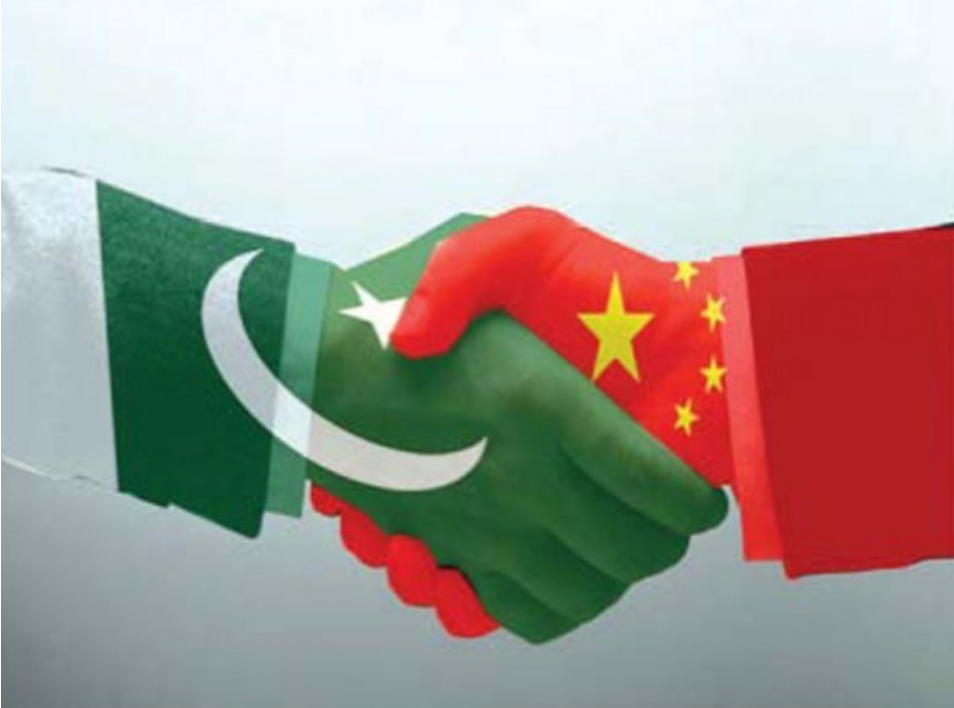
New platform signals emerging regional alignments
In a move reflecting shifting regional dynamics, Pakistan, China, and Bangladesh have established their first trilateral forum. The inaugural meeting was held on June 19 in Kunming, Yunnan province, China, marking what many view as a significant development in South Asian diplomacy.
The talks brought together Chinese Vice Foreign Minister Sun Weidong, Bangladesh’s Acting Foreign Secretary Ruhul Alam Siddique, and Pakistan’s Additional Secretary for Asia-Pacific, Imran Ahmed Siddiqui. Pakistan’s Foreign Secretary Amna Baloch also joined part of the discussions via video link.
This initiative comes amid changing ties between the three nations. Relations between Pakistan and Bangladesh, strained during Sheikh Hasina Wajid’s 15-year rule, have notably improved since her departure in August last year. China has also moved to strengthen its regional influence during this period of transition.
Diplomatic sources indicate that the creation of this trilateral forum followed quiet efforts by all three governments. While the move is likely to draw attention in India—particularly in the wake of Hasina’s ouster—the participants stressed that the forum is not aimed at any third party.
According to a statement from China’s Foreign Ministry, Vice Minister Sun reaffirmed Beijing’s vision of building a “community with a shared future” among neighboring nations. He described Pakistan and Bangladesh as “good neighbors, good friends, and key partners” in advancing high-quality Belt and Road cooperation.
“All three countries are vital members of the Global South and share the goal of national revitalization and modernization,” Sun noted. “This trilateral partnership reflects the common aspirations of our people and is essential for peace, stability, and prosperity in the region.”
The dialogue focused on enhancing economic development and improving living standards. The delegations explored cooperation in industry, trade, maritime affairs, water management, agriculture, climate change, education, youth exchange, healthcare, think tank partnerships, and human resource development.
It was agreed that a joint working group will be formed to oversee the implementation of the initiatives discussed.
The three sides underlined that their collaboration would be guided by mutual trust, inclusivity, good-neighborliness, and a commitment to win-win outcomes. They emphasized that the framework reflects genuine multilateralism and open regionalism, with no adversarial intent toward any other nation.
The Kunming meeting marks a fresh chapter in regional diplomacy, as China seeks to expand cooperative platforms beyond its traditional bilateral relationships. Observers suggest the forum could lay the groundwork for broader China-led initiatives across South Asia, with a strong focus on development-driven engagement.