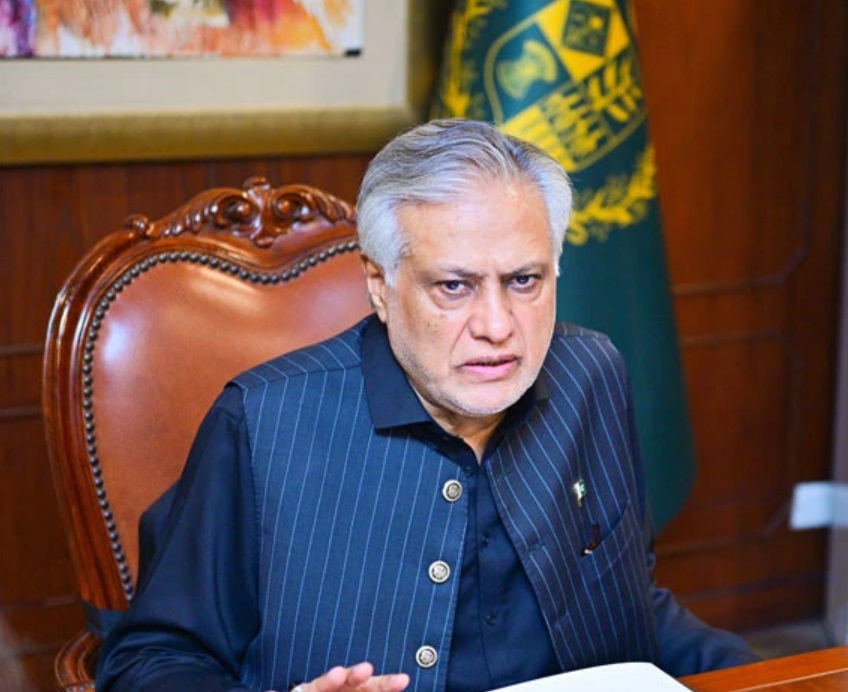
Pakistan’s Deputy Prime Minister and Foreign Minister, Ishaq Dar, has strongly asserted that India cannot impose its will on Pakistan and must reconsider its strategic posture. Speaking at the Foundation Day ceremony of the Institute of Strategic Studies in Islamabad, Dar emphasised the need for regional peace based on mutual respect and sovereignty.
He sharply criticised India’s alleged use of “false flag operations,” citing the Pulwama incident as a key example, accusing New Delhi of fabricating narratives to justify aggression. “India must abandon coercive policies and reassess its strategic direction,” Dar urged.
Tensions between the two neighbours spiked following a deadly attack in Pahalgam on April 22 that killed 26 people. India blamed Pakistan for the incident—an accusation Islamabad firmly rejected.
In response, India launched a series of hostile measures on April 23, including suspending the 65-year-old Indus Waters Treaty (IWT), revoking visas for Pakistani nationals, shutting down the Wagah-Attari border crossing, and ordering the closure of the Pakistan High Commission in New Delhi. Both countries subsequently scaled down diplomatic staff at each other’s embassies.
Dar condemned India’s unilateral actions, especially regarding the IWT, accusing it of attempting to weaponise water. He reaffirmed Pakistan’s unwavering stance on preserving its territorial integrity and sovereign rights.
Addressing the Kashmir dispute, Dar reiterated that it remains an internationally recognised conflict, and its peaceful resolution is critical to ensuring regional stability. He accused India of violating international norms while affirming Pakistan’s commitment to peaceful coexistence.
On global developments, Dar welcomed the ceasefire between Iran and Israel and reiterated Pakistan’s long-standing support for Iran’s legitimate concerns, particularly over its nuclear programme. He also expressed grave concern over the humanitarian crisis in Gaza and condemned the continuing violence there.
Separately, Prime Minister Shehbaz Sharif hailed the recent Supplemental Award by the Permanent Court of Arbitration regarding the Indus Waters Treaty, calling it a significant validation of Pakistan’s legal position. The court reaffirmed that the treaty cannot be unilaterally suspended and remains in force unless both parties mutually agree to its termination.
The Prime Minister also acknowledged the contributions of Law Minister Azam Nazeer Tarar and Attorney General Mansoor Awan for their efforts in securing the legal victory.
Meanwhile, PPP Chairman Bilawal Bhutto Zardari issued a stark warning, declaring that Pakistan would consider war if India continued to defy the Indus Waters Treaty. At a rally in Sukkur, he declared: “Either the river will flow—or their blood will,” underscoring Pakistan’s determination to protect its water rights under the 1960 World Bank-brokered agreement.