

By: Hira A. Malik
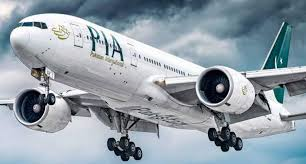
PIA’s privatisation was sold as a rescue. In reality, it was less a sale and more a carefully engineered financial exit—one that saved the airline, protected the banks, and handed the bill to the taxpayer.
For five years leading up to privatisation, Pakistan International Airlines went through its most turbulent financial period. Chronic overstaffing, political interference, union pressure, Covid-era travel shutdowns, the EASA flight ban triggered by the fake pilot licence scandal, rising fuel prices, and sharp rupee devaluation all pushed the airline deeper into trouble.
But the real tipping point came in 2023, when the State Bank of Pakistan raised interest rates beyond 22 percent to curb inflation. That policy didn’t just hit PIA—it crippled corporate Pakistan. For PIA, already bleeding, it was fatal. As the airline sank into a debt trap, commercial banks quietly flourished.
By 2024, banks had earned an estimated Rs424 billion from PIA over 15 years—far exceeding the original Rs268 billion principal. PIA, in effect, became a money-printing machine for the banking sector.
Privatisation Without Relief
Before the final “clean-up” in 2025, PIA survived on taxpayer-funded life support. Even after privatisation, that burden didn’t disappear—it was merely shifted.
To make the airline sellable, the government transferred most of PIA’s legacy debt to a separate Holding Company. On paper, the airline was cleaned up. In practice, the taxpayer officially became the borrower, now responsible for servicing around Rs32 billion annually for the next decade.
The privatisation was celebrated as a success because the airline was “saved.” What went largely unsaid was that the rescue came at public expense.
Separating liabilities from an insolvent public entity is common in privatisations worldwide. What is scandalous here is how generously creditors were treated, despite their role in enabling PIA’s collapse. This was a textbook case of socialising losses and privatising gains.
A Deal Banks Could Only Dream Of
Under the restructuring deal, nine local banks received something almost unheard of in bankrupt turnarounds:
- No haircut on principal—100 percent of Rs268 billion guaranteed
- Fixed 12 percent interest for 10 years, even as rates began falling in 2026
With long-term inflation projected at 5–7 percent, banks effectively locked in a real return of up to 7 percent on sovereign-backed debt. Over the next decade alone, they will collect Rs322 billion in interest—more than the original loan amount.
This was not risk-sharing. It was risk elimination.
Concerns have also emerged over the “revolving door” between regulators and negotiators—officials who once oversaw banks later structuring deals that overwhelmingly favoured them. Commercial debt was converted into sovereign-backed bonds, guaranteeing profits regardless of PIA’s future.
Even a $1 billion sale of the Roosevelt Hotel—PIA’s most valuable asset—would barely dent the interest burden. The principal would still land squarely on the taxpayer.
The Rs135 Billion Headline That Misleads
The announcement that an Arif Habib–led consortium bought 75 percent of PIA for Rs135 billion sounds impressive. It’s also deeply misleading.
Of that amount, the government receives just Rs10.1 billion as an actual sale price. The remaining Rs125 billion is injected into the airline after the sale—effectively spent by the buyer on their own asset. An additional Rs80 billion investment further enhances that same asset.
When you factor in the Rs654 billion in liabilities absorbed by the government, the state effectively paid around Rs644 billion to exit PIA. This wasn’t privatisation for profit—it was divestment to stop future bleeding.
The government insists the real value of the deal lies in business-plan enforcement: fleet expansion, employee protections, and operational revival. But the asymmetry remains stark. For a modest upfront payment, the buyer gains control of a debt-free airline with enormous upside.
With restored London Heathrow slots alone projected to generate Rs40–50 billion annually, the consortium could recover its entire investment in under three years.
Risks Still Lurking
The deal is not without risk—for the buyer or the country. The EASA and UK DfT bans were lifted conditionally. If safety audits in 2026 fail, routes could be shut again. More critically, scrutiny extends beyond PIA to the Pakistan Civil Aviation Authority. A failed ICAO audit could ground the airline regardless of private ownership.
Meanwhile, the Holding Company now holds PIA’s non-core assets—the Roosevelt Hotel in New York and Hotel Scribe in Paris—against Rs654 billion in debt. Even in a best-case scenario, asset sales would still leave a massive shortfall. Worse, at 12 percent interest, the debt grows faster than the assets’ value, slowly burning them out before they can generate relief.
What Could Have Been Done Differently?
There were alternatives. Banks could have been offered equity stakes in hotel joint ventures in exchange for cancelling principal. Interest rates could have been reduced to 7 percent, aligning debt growth with asset appreciation. Either option would have meaningfully eased the taxpayer burden.
The Bottom Line
PIA’s privatisation did stop the airline’s daily operational haemorrhaging. But it did so at a steep moral and fiscal cost.
Two decades of mismanagement were quietly transferred to the public balance sheet. The private sector inherited a clean airline. Banks walked away with guaranteed profits. And the Pakistani taxpayer—already stretched—was left financing the past at a premium.
The airline may finally be flying again. The bill, however, is still very much on the ground.