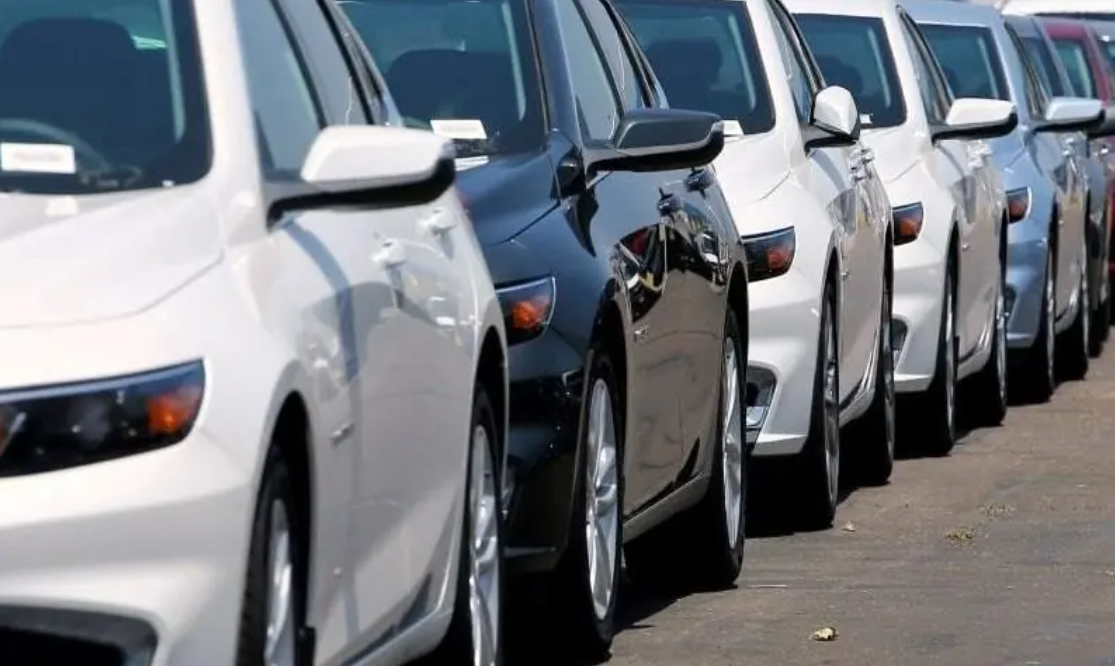
KARACHI: Outstanding auto loans in Pakistan continued their upward trend for the 13th consecutive month, reaching Rs319 billion at the end of December 2025, up slightly from Rs318 billion in November, according to State Bank of Pakistan (SBP) data.
The December growth pace was slower compared to previous months, as buyers postponed vehicle purchases amid the transition to new model years and fresh registrations. Nevertheless, the recovery remains modest relative to June 2022, when annual car sales stood around 240,000 units and auto financing peaked at Rs368 billion.
Mohammed Sohail, CEO of Topline Securities, noted:
“New model launches and declining interest rates are expected to sustain auto financing growth, despite the Rs3 million loan ceiling.”
During the first half of FY26, auto sales—including cars, SUVs, pickups, and vans—rose 46% to 88,322 units from 60,676 units in the same period last year. The surge was supported by new model introductions, easing inflation, lower interest rates, and improving macroeconomic sentiment.
Sales momentum is likely to continue, driven by a 144% increase in imports of semi and completely knocked down (CKD) kits, which rose to $982 million in 1HFY26 from $402 million a year earlier, despite ongoing localisation efforts by assemblers.
To capitalize on the trend, Sazgar Engineering Works Ltd (SEWL) announced it will open bookings for its CKD models, including the TANK-500 Hi4-T 4X4 2.0L Turbo PHEV and HEV, starting January 26.
Azeem Akhundzada of Sherman Securities highlighted intensifying competition in Pakistan’s passenger vehicle market, citing JAECOO’s J5 HEV launch at Rs7.6 million, now the most affordable HEV SUV available. This aggressive pricing positions the J5 against models like HAVAL Jolion HEV, H6 HEV, HR-V HEV, Corolla Cross HEV, KIA Sportage HEV, and even premium sedans such as the Toyota Altis.
With SUVs dominating recent launches and price wars intensifying, analysts expect the competitive environment to remain challenging for listed assemblers, making pricing and differentiation key drivers of market share.