The Council of Common Interests (CCI) has officially supported the federal government’s decision to halt the controversial plan to construct six new canals on the Indus River. The pause will remain in effect until a consensus is reached among all provinces.
The project, initiated on February 15 by Chief of Army Staff Gen Asim Munir and Punjab Chief Minister Maryam Nawaz to irrigate South Punjab’s Cholistan region, sparked public backlash—especially from Sindh. Facing months of protests and political pressure, the federal government announced on April 23 that it would suspend the project, citing the need for interprovincial agreement. The move also came in the wake of India’s unilateral suspension of the Indus Waters Treaty.
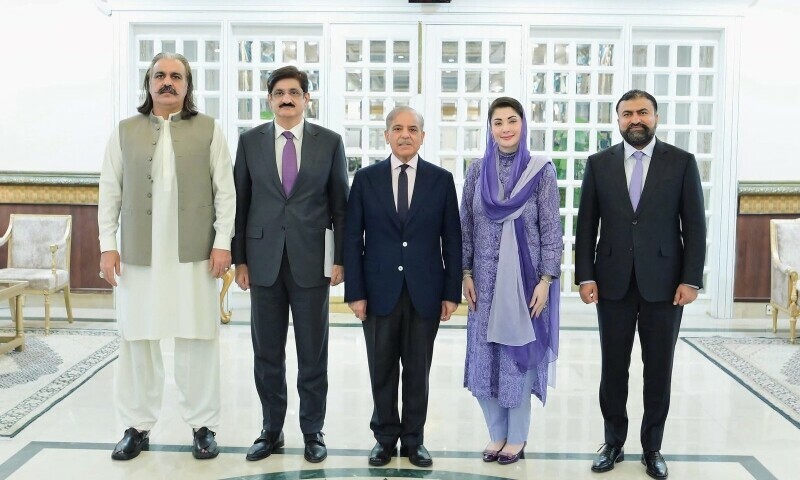
In a rescheduled CCI meeting held Monday—attended by Prime Minister Shehbaz Sharif, Deputy PM Ishaq Dar, Defense Minister Khawaja Asif, and all four provincial chief ministers—the council agreed that no new canals would proceed without full agreement from all provinces.
A press release following the meeting stated that the federal government must consult the CCI before advancing any such water infrastructure projects. It also announced the formation of a committee with federal and provincial representation to develop a long-term plan for water management and agricultural development, aligned with the Water Apportionment Accord (1991) and Water Policy (2018).
The CCI called water “one of the most precious commodities” and emphasized that all disputes must be resolved with mutual understanding. It also returned earlier approvals for the project by the Planning Division and the Indus River System Authority (IRSA), directing both bodies to prioritize stakeholder engagement.
Separately, the council condemned India’s actions following the Pahalgam incident, calling them “unilateral and illegal,” and expressed national unity in response to any potential aggression.
Sindh Senior Minister Sharjeel Inam Memon revealed that the Sindh government had requested the meeting be held earlier than May 2 due to ongoing protests and disruption of interprovincial transport. Demonstrations—particularly from lawyers and the business community—had paralyzed major routes in Sindh, prompting urgent appeals to the federal government.
Memon stressed the importance of resolving the issue through dialogue, especially considering the economic impact on businesses and farmers. Home Minister Ziaul Hasan Lanjar also called for peaceful protests and urged legal professionals to prevent disorder.
Meanwhile, the All Pakistan Goods Transport Alliance (APGTA) announced a protest outside the Sindh CM House in Karachi to demand an end to the road blockades. According to APGTA’s Nisar Jafry, roughly 30,000 trucks and tankers have been stalled, each carrying goods worth an estimated Rs10 million, affecting both domestic and international trade.
The ongoing opposition to the canals plan has included mass protests from political parties, especially the PPP, and a unanimous resolution passed by the Sindh Assembly in March.