
What is a budget if not a strategic document? Too often in the past, budgets have been reduced to mere accounting exercises—mechanical exercises in balancing the government’s books with little regard for long-term growth or reform.
This time, however, Finance Minister Muhammad Aurangzeb has vowed to break with that tradition. He has promised that the upcoming budget will feature “bold measures” aimed at putting the economy on a “strategic direction,” though what exactly that entails remains to be seen.
So far, Aurangzeb’s only concrete hint about this new strategic vision is the idea of expanding the restructured debt management office’s remit beyond simply trimming interest payments. Instead, he wants it to create “economic value”—or ‘Alpha’, a term from finance describing the ability to outperform the market—ultimately laying the groundwork for sustainable growth.
At a gathering on Monday, he stated, “That is where we are going to bring very bold measures in the coming budget to give strategic direction to the economy and change its DNA—not just to tally up expenditure and revenue.” In addition to this vision, the minister has also pledged to simplify tax returns for salaried workers and to significantly raise the defence budget, citing the threat posed by India.
There’s no doubt that the government intends to move the economy in a strategic direction. Yet, in the immediate term, the next budget must primarily focus on fiscal consolidation. This is crucial not just to ensure ongoing support from multilateral lenders, but also to avoid another cycle of artificial, imported growth that could easily collapse.
Indeed, there’s already a sense of unease in the markets following inconclusive discussions with the IMF on the budget proposals—particularly those concerning defence spending, tax relief for salaried individuals and the real estate sector, and cuts to public sector expenditures. The IMF appears to be worried about the fiscal hole these plans might create and is pressing the government to identify alternative sources of revenue to fill that gap.
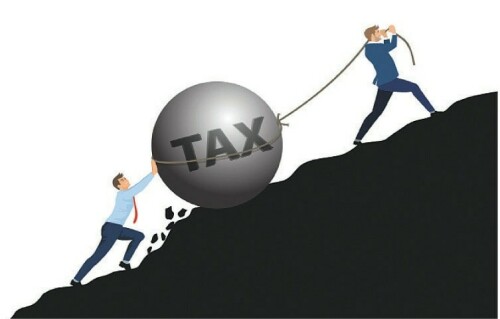
Perhaps the boldest and most strategic measure the government can take in the upcoming budget is to introduce comprehensive tax reforms aimed at broadening the tax base. Increasing the tax-to-GDP ratio to the globally accepted 18–20% range would create much-needed fiscal space—enabling the government to fund defence spending, ease the tax burden on salaried workers and businesses, and support a more durable economic recovery.
Ultimately, whether these reforms come to pass depends on how the government defines “strategic direction.” But one thing is clear: there can be no bolder or more strategic move than finally bringing the retail, agriculture, real estate, and other untaxed sectors into the fold. Without such reforms, any promises of transformation will remain just that—promises.