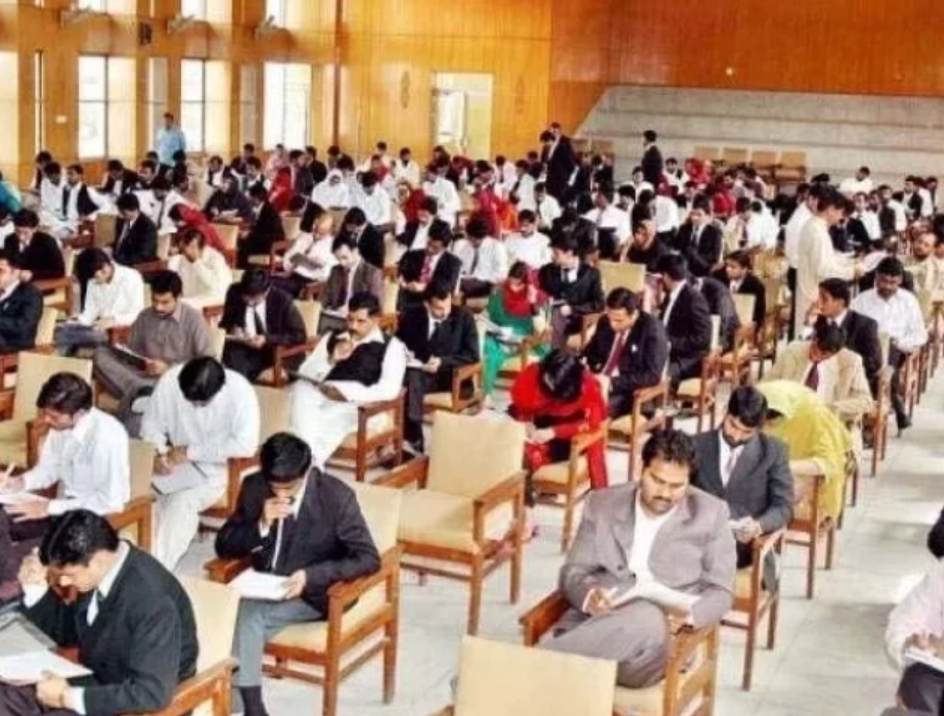

The government’s recent move to extend the upper age limit for the Central Superior Services (CSS) examination to 35 and increase the number of attempts to five has sparked a lively and polarized national debate. While the measure is being hailed by some as a long-overdue reform aimed at leveling the playing field, others view it as a superficial fix that sidesteps the core issues plaguing Pakistan’s civil service system.
There is no denying that the CSS remains one of the most coveted career paths in the country, promising stability, prestige, and power. However, it is also one of the most rigid and demanding, often requiring years of dedicated preparation. For many aspirants—particularly women—the traditional age cap and limited number of attempts have been exclusionary, failing to account for the societal and economic constraints that delay or disrupt academic and professional pursuits.
Lawmakers, such as PML-N’s Syeda Nosheen Iftikhar, have rightly pointed out that delayed exam results and life circumstances have unfairly disqualified many deserving candidates. Women, in particular, often bear the brunt of domestic responsibilities that interrupt their career plans. For them, this reform represents not just a procedural change, but a recognition of the unequal burdens they carry.
But while the move is well-intentioned, it risks becoming a distraction from a more urgent need: structural reform of the civil service itself.
Extending the age limit may appear inclusive, but it could also have unintended consequences. Encouraging young people to devote additional years chasing one uncertain opportunity could limit their ability to explore diverse career paths and stunt broader professional development. Critics warn that this change might foster unrealistic expectations and prolong the already high-pressure pursuit of a CSS career.
Moreover, the debate exposes a more fundamental issue—one that no age extension can resolve. The CSS examination and the bureaucratic structure it feeds remain outdated, favoring generalists over specialists and perpetuating inefficiency rather than innovation. Calls for a transparent, merit-based system that rewards expertise over rote memorization have grown louder, yet meaningful reform remains elusive.
This latest move, while symbolically important, does little to address these deeper institutional shortcomings. Without overhauling the CSS structure to meet the needs of a modern, complex state, such policy shifts will remain partial and cosmetic.
In its pursuit of reform, the government must go beyond procedural tweaks. Real change will require a bold, honest rethinking of what the civil service is—and what it needs to become. Until then, the current debate will remain a reflection of a system tinkering at the edges while ignoring the core.