UNITED NATIONS / TEHRAN — Iran has launched a fierce diplomatic offensive at the United Nations, accusing the United States of complicity in a series of devastating Israeli airstrikes that targeted Iranian military and nuclear facilities, killing senior commanders and scientists. As tensions spiral, Tehran has declared further dialogue with Washington over its nuclear programme as “meaningless.”
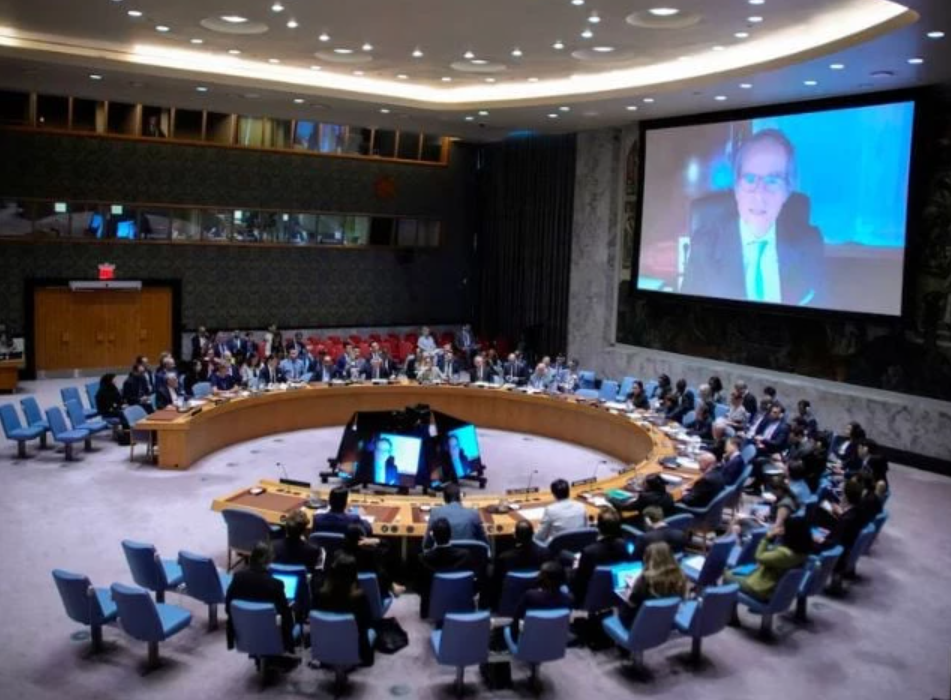
During a heated UN Security Council meeting, Iranian Ambassador Amir Saeid Iravani condemned the attacks as an assault on diplomacy, asserting that Washington’s support for Israel made it fully accountable. “Those who support this regime, with the United States at the forefront, must understand that they are complicit,” Iravani said. “By aiding and enabling these crimes, they share full responsibility for the consequences.”
The accusation follows a series of Israeli strikes across Iran, including in Tehran, which reportedly killed 78 people, among them top IRGC generals — including Mohammad Baqeri and Hossein Salami — and prominent nuclear scientists. Over 320 others were injured. Iran responded with a barrage of ballistic missiles that struck Israeli cities and military facilities, injuring at least 34 people.
Amid this escalation, Iranian Foreign Ministry spokesperson Esmaeil Baghaei stated that continued nuclear negotiations with the U.S. are no longer viable. “The other side acted in a way that makes dialogue meaningless. You cannot claim to negotiate and at the same time permit the Zionist regime to attack Iranian territory,” he said, blaming Washington for enabling Israel’s actions.
The U.S., while acknowledging prior knowledge of Israel’s intent, denied any military involvement. Senior U.S. official McCoy Pitt reiterated that Washington seeks a diplomatic resolution to prevent Iran from acquiring nuclear weapons. “Iran’s leadership would be wise to negotiate at this time,” he said.
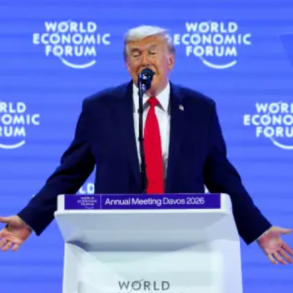
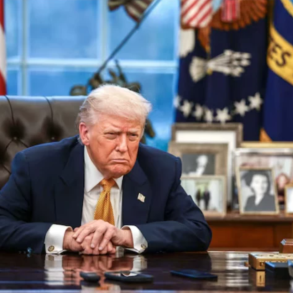
President Donald Trump, while issuing a stark warning that Iran risks “even more brutal” Israeli attacks if it refuses to engage, insisted that diplomacy remains an option. Speaking to Reuters, Trump confirmed his administration had known in advance about Israel’s plans but expressed hope for a nuclear accord.
Israel defended its actions as preemptive and necessary. Ambassador Danny Danon told the Security Council that intelligence had confirmed Iran’s capability to produce multiple nuclear bombs within days, accusing Tehran of stalling diplomacy while ramping up enrichment.
UN nuclear watchdog chief Rafael Grossi confirmed that the above-ground pilot enrichment facility at Natanz had been destroyed and that Iran reported additional strikes at Fordow and Isfahan.
The sixth round of U.S.-Iran nuclear negotiations, originally scheduled for Sunday in Muscat, is now uncertain. Iran’s Foreign Minister Seyed Abbas Araghchi has reached out to UN Secretary-General António Guterres, urging international intervention to halt Israeli aggression.
Tehran has also initiated emergency consultations at the UN, calling the Israeli assault an attempt to provoke regional war. Iranian media, including IRNA, described scenes of devastation, with residential buildings targeted and graphic images circulating of casualties, including children.
Following the death of several top commanders, Iran’s Supreme Leader Ayatollah Ali Khamenei appointed new leadership, vowing revenge. New IRGC Chief Major General Pakpour pledged to “open the gates of hell” for Israel.
Global reactions have been swift, with world leaders, including Emmanuel Macron and Keir Starmer, calling for restraint. Pakistan strongly condemned the Israeli strikes, urging de-escalation.
As both nations brace for potential follow-up strikes, the region teeters on the brink of broader conflict, with the future of diplomacy hanging in the balance.