CB raises concerns over law secretary’s clarification
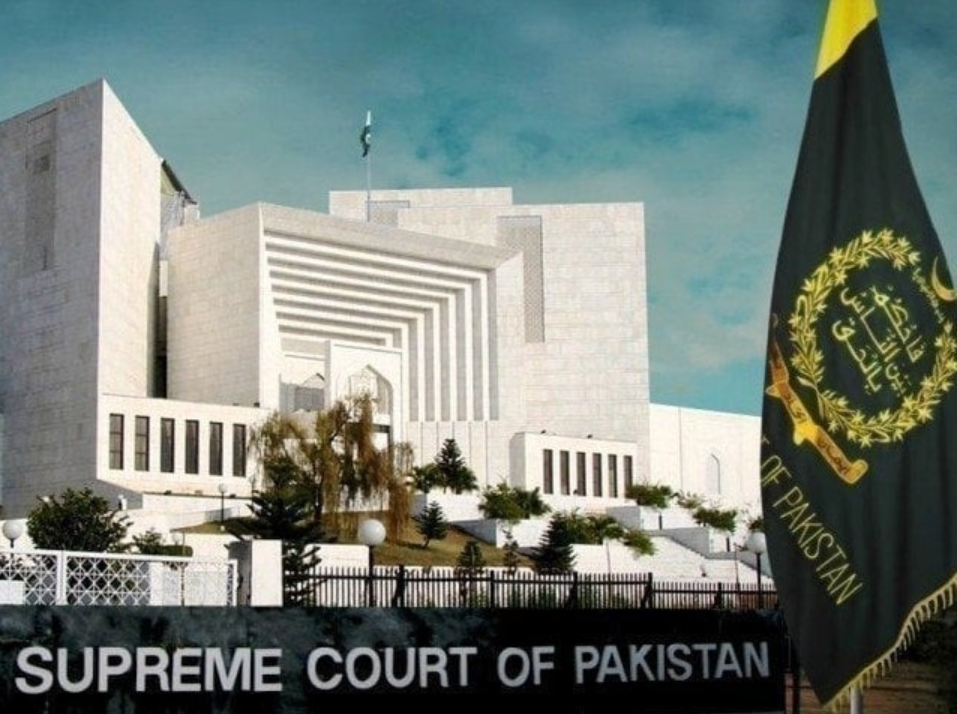
ISLAMABAD: Justice Muhammad Ali Mazhar on Monday questioned allegations that the transfer of three provincial high court judges to the Islamabad High Court (IHC) represented executive interference in judicial matters, emphasizing that every transfer had been approved by four separate judicial bodies.
However, some members of the Supreme Court’s constitutional bench (CB), which is hearing petitions challenging the transfers and the resulting changes in the IHC judges’ seniority list, pointed out that the executive had kept the chief justices of Pakistan and the respective high courts uninformed about the seniority adjustments. The five-member CB, led by Justice Mazhar, conducted the hearing on Monday.
During the proceedings, Karachi Bar lawyer Faisal Siddiqi argued that the IHC was established under Article 175 of the Constitution, which relates specifically to provinces and their judge appointments. He maintained that judges cannot be permanently transferred to the IHC and, if such transfers occur, no new oath is required when the judge returns to their original court.
Justice Mazhar questioned whether Article 200 had become obsolete following the enforcement of Article 175-A. Siddiqi responded that the current transfer system undermines the powers of the Judicial Commission of Pakistan (JCP), conflicting with constitutional principles. He further stated that seniority, developed over decades, should not be altered abruptly through executive powers, calling such actions authoritarian.
Justice Mazhar clarified that the transfer procedure requires approvals at four levels: from the chief justice of the sending high court, the chief justice of the receiving high court, the judge being transferred, and the chief justice of Pakistan. “If any one of these rejects the transfer, it cannot move forward. If the executive controlled the process, the situation would be different, but here four judicial forums must consent,” he noted.
Siddiqi claimed the transfer was conducted in bad faith, with the judiciary kept in the dark regarding the critical seniority issue.
Attorney-General for Pakistan Mansoor Awan countered, stating that under Article 200, transfers can be either permanent or temporary. He added that temporary transfers, as indicated in the notification, come with extra benefits, while permanent transfers grant official residence.
Justice Shakeel Ahmed questioned whether decisions about judges’ oaths and seniority should rest with the law secretary, asking if the law secretary’s opinion had been sought. He expressed concern over the law secretary’s inclusion of seniority and oath clarifications in the final summary, suggesting it raised serious issues.
The Supreme Court then adjourned the hearing until Tuesday.