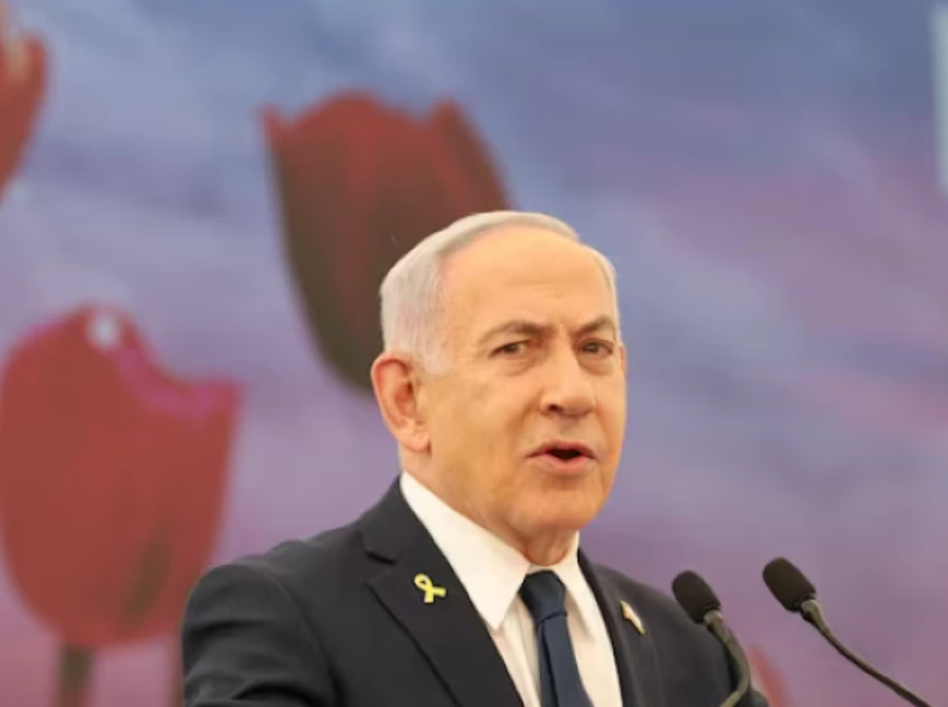
Israeli Prime Minister Benjamin Netanyahu has publicly confirmed, for the first time, that Israel supported and armed local militant factions in Gaza in a bid to undermine Hamas. In a video message released on Thursday, Netanyahu admitted to activating clan-based groups inside the enclave based on security recommendations—an operation previously shrouded in secrecy.
This statement lends credibility to earlier reports and criticisms, including those from former Defense Minister Avigdor Lieberman, who denounced the covert policy. One of the groups reportedly involved, the “Popular Forces” led by Rafah’s Yasser Abu Shabab, has been linked to the Gaza Humanitarian Foundation (GHF), a controversial, military-protected entity managing aid distribution in Gaza.
The revelation has sparked backlash within Israel, with critics labeling these armed factions as “criminal gangs” and questioning the lack of cabinet oversight. Humanitarian agencies have accused these groups of stealing aid and exacerbating the chaos on the ground.
Aid Distribution Halted After Violence
Following deadly incidents at aid sites, the US-backed GHF announced the temporary closure of all distribution hubs, advising Palestinians to avoid the centers for their safety. Earlier in the week, Israeli forces allegedly opened fire on civilians near aid locations, killing dozens and injuring many more. Two GHF centers reopened Thursday with limited operations.
Despite widespread criticism—including from the United Nations—the US and Israel continue to back the GHF, claiming it prevents aid from being diverted to Hamas. However, rights groups and the International Committee of the Red Cross (ICRC) report mounting civilian casualties. The ICRC confirmed receiving 179 casualties from a single incident on Sunday, 21 of whom were dead on arrival, including women and children.
The Israeli military has denied deliberately targeting civilians, saying only warning shots were used in response to individuals deemed a threat or who strayed from authorized access routes. The GHF has also rejected claims of mass casualties as fabrications.
Growing International Condemnation
The violence has triggered global outrage. UN Secretary-General António Guterres has called for an independent investigation into the killings of aid seekers, while the UK’s Middle East Minister described the events as “deeply disturbing” and condemned Israel’s aid strategy as “inhumane.”
Humanitarian Crisis Deepens During Eid
As Palestinians marked Eid al-Adha on Friday, the humanitarian crisis loomed large. In Gaza and the West Bank, families gathered for prayers and attempted to observe traditions despite the ongoing conflict. Photos from the region show solemn celebrations amid tents and rubble, with many sharing modest meals and performing ritual sacrifices when possible.
Ceasefire Discussions Ongoing
Hamas official Khalil al-Hayya said the group has not rejected a US-proposed ceasefire but has requested modifications to ensure a genuine end to hostilities. Negotiations with mediators are still in progress.
Meanwhile, airstrikes continued across Gaza, killing at least 43 Palestinians on Thursday alone. GHF announced the partial resumption of operations in Rafah but warned Palestinians to adhere to Israeli-designated access routes or risk being caught in active combat zones.
War’s Toll on Gaza
According to Gaza’s Health Ministry, the total death toll from Israel’s war since October 7, 2023, has reached 54,418, with over 124,000 injured. Since Israel resumed hostilities on March 18 following a brief ceasefire, 4,149 Palestinians have been killed and more than 12,000 wounded.
The war has displaced nearly 90% of Gaza’s two million residents, decimated infrastructure, and created a severe hunger crisis. The International Criminal Court (ICC) has issued arrest warrants for Netanyahu and former Defense Minister Yoav Gallant for alleged war crimes and crimes against humanity. Israel also faces a genocide case at the International Court of Justice.
As the situation deteriorates, international pressure on Israel continues to build, with calls for accountability, humanitarian access, and a lasting ceasefire growing louder by the day.