Oil Prices Surge Over 9% After Israeli Strikes on IranEscalating Middle East tensions spark investor caution and market volatility
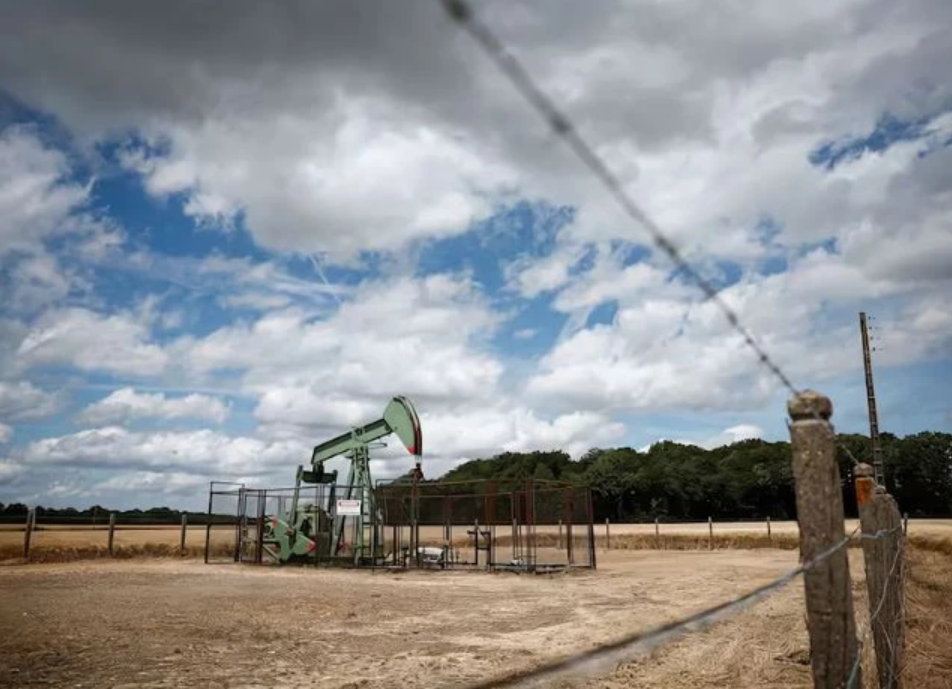
Oil prices soared more than 9% on Friday, reaching their highest levels in nearly five months, following Israeli airstrikes on Iran that heightened fears of a broader conflict and potential disruptions to global oil supplies.
Brent crude futures spiked by $6.29, or 9.07%, to $75.65 per barrel as of 03:15 GMT, after peaking at $78.50 — a level last seen on January 27. Similarly, US West Texas Intermediate (WTI) crude climbed $6.43, or 9.45%, to $74.47, with an intraday high of $77.62 — the highest since January 21.
These mark the most significant one-day gains for both benchmarks since 2022, when Russia’s invasion of Ukraine sent energy markets into turmoil.
Israel said it had launched strikes on Iranian nuclear sites, missile production facilities, and key military figures, warning that the operation could be extended to prevent Tehran from developing nuclear weapons.
“This has significantly raised geopolitical uncertainty, prompting the oil market to factor in a higher risk premium due to the potential for supply disruptions,” ING analysts led by Warren Patterson wrote in a note.
Traders in Singapore cautioned that it’s still unclear whether the strikes will affect oil shipments from the region, noting that any disruption would hinge on Iran’s response and the potential involvement of the United States.
“The market is especially nervous about the possibility of Iran attempting to block the Strait of Hormuz,” one trader said, referring to the critical chokepoint for global oil transit.
According to Saul Kavonic, senior energy analyst at MST Marquee, a tangible threat to oil supply would only arise if Iran retaliated by targeting regional oil infrastructure. In a worst-case scenario, he warned, up to 20 million barrels per day could be at risk if Iran hampers transit through the Strait or attacks facilities.
Iran’s Supreme Leader Ayatollah Ali Khamenei vowed “severe punishment” for Israel’s actions, which reportedly killed several top military officials.
Meanwhile, US Secretary of State Marco Rubio labeled the strikes a “unilateral action” by Israel, emphasizing that the US was not involved. However, he warned Iran against targeting American forces or interests.
Priyanka Sachdeva, senior analyst at Phillip Nova, noted that Iran’s declaration of emergency and promise to retaliate raises concerns not only about direct disruptions but also the risk of conflict spilling into other oil-producing countries in the region.
“Even though former President Trump has shown hesitation toward deeper involvement, any move by the US could intensify fears of a broader regional war,” she added.
In response to the developments, global markets reacted sharply. Asian stocks plummeted in early trading, US futures declined, and investors flocked to traditional safe havens such as gold and the Swiss franc.