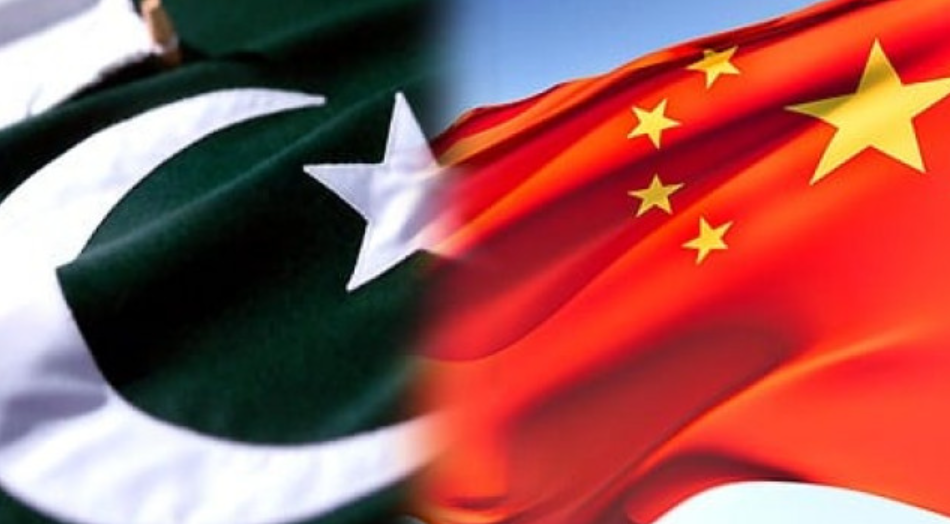
Pakistan and China are actively exploring the creation of a new regional organisation aimed at replacing the long-stalled South Asian Association for Regional Cooperation (SAARC), diplomatic sources revealed.
According to officials familiar with the discussions, Islamabad and Beijing have reached an advanced stage in shaping the framework of this proposed bloc. Both sides agree that a fresh, functional platform is urgently needed to foster regional integration, economic cooperation, and connectivity—goals that SAARC has largely failed to achieve.
This initiative gained traction during the recent trilateral meeting held in Kunming, China, on June 19, which brought together senior diplomats from Pakistan, China, and Bangladesh. The rare meeting—unprecedented in format—raised concerns in India and signaled a shift in regional diplomacy.
Sources say the Kunming meeting was a preliminary step toward inviting other South Asian countries, many of them former SAARC members, to join the new alliance. While India will be extended an invitation, it is widely expected to decline participation due to differing geopolitical priorities.
Countries such as Sri Lanka, Maldives, and Afghanistan are viewed as likely candidates to join the new grouping, which will focus on enhancing trade ties, connectivity, and collaborative development across the region.
Should this initiative materialise, it would mark the formal demise of SAARC—a body once envisioned as South Asia’s answer to the European Union. The last SAARC summit was held over a decade ago, and efforts to revive it have repeatedly stalled due to strained ties between Pakistan and India.
In 2016, Pakistan was set to host the next SAARC summit, but India’s boycott—followed by similar refusals from Bangladesh and others—led to its indefinite postponement. Since then, the organisation has remained inactive, and India’s recent suspension of special SAARC visas for Pakistani businessmen after the Pahalgam attack dealt another blow to the grouping’s viability.
For months, Pakistan and China have been engaged in backchannel discussions on forming a new bloc of like-minded nations committed to pragmatic cooperation. The proposed alliance could fill the void left by SAARC’s dysfunction and offer a more cohesive platform for regional diplomacy.
Observers note that India’s divergence from the agendas of other regional bodies, such as the Shanghai Cooperation Organization (SCO), also underscores its growing isolation. Prime Minister Narendra Modi notably skipped the last two SCO summits, signalling a distancing from an alliance that includes China, Russia, Iran, Pakistan, and Central Asian republics—often seen as a counterbalance to Western influence.
In contrast, the envisioned new bloc by Pakistan and China aims to offer a constructive, cooperative alternative—free from the political deadlocks that have long plagued SAARC.