NCCIA exposes dark web operation based in Muzaffargarh
ISLAMABAD:
Pakistan’s National Cyber Crime Investigation Agency (NCCIA) has uncovered a disturbing international child exploitation ring operating out of Muzaffargarh, allegedly led by a German national named Renz.
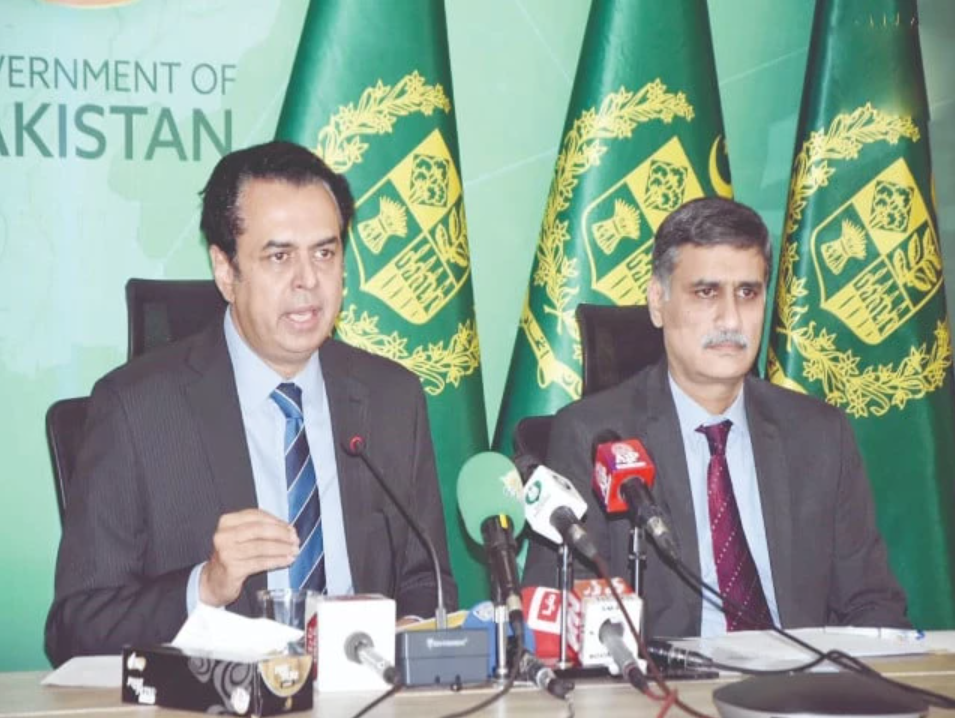
State Minister for Interior Talal Chaudhry disclosed the findings during a joint press briefing in Islamabad on Tuesday alongside NCCIA Director General Dr. Syed Waqaruddin Syed.
Officials revealed that the network targeted children aged six to ten, primarily from impoverished families. The group operated under the guise of a “children’s club” designed to lure victims.
The facility was equipped with advanced gear, including professional cameras, lighting, and recording equipment.
Minister Chaudhry stated that children were initially given money but later coerced into exploitation. The videos, filmed in a studio-like setting, were sold on the dark web for thousands of dollars daily.
The German suspect reportedly spent 28 days in Pakistan, during which he trained local operatives and set up the entire operation.
“This was not a local issue; it was an international network operating within Pakistan,” the minister said. “We confirmed that the group was producing and distributing live content globally.”
On May 23, NCCIA, with assistance from local police and intelligence agencies, conducted a major raid that rescued at least six children, who were handed over to the Punjab Child Protection Bureau. Over 50 children have been identified as victims.
Authorities have filed 178 FIRs related to child exploitation, and 14 individuals have already been sentenced to between seven and ten years in prison.
Two suspects linked to this case were arrested during the raid, while three others remain at large. Efforts are ongoing to capture them.
Shockingly, some victims’ parents were complicit in the abuse, either knowingly or by accepting money.
“It is tragic that, in some instances, even parents were involved in this horrific crime,” said the minister.
The NCCIA acted on intelligence from the U.S.-based National Centre for Missing and Exploited Children (NCMEC) and Interpol. The agency runs round-the-clock monitoring and collaborates internationally to combat online child crimes.
Dr. Waqaruddin said hundreds of videos were seized from the studio, many of which had been distributed through encrypted apps like WhatsApp and Telegram, and then sold on the dark web.
“This is a significant breakthrough. It is the first time such a large, organized international network has been exposed and disrupted in Pakistan,” the DG said. “We are coordinating with Interpol and German authorities to track down and arrest the foreign suspects.”
He also noted that Pakistan now has access to Interpol’s global databases, joining 71 countries and enhancing international investigative cooperation.
Minister Chaudhry emphasized that recent amendments to the Prevention of Electronic Crimes Act (PECA) have increased penalties for child exploitation crimes from seven to ten years to fourteen to twenty years, and such offenses are now non-bailable and non-compoundable.
“We are addressing this issue with utmost seriousness,” he stated. “The Prime Minister and Interior Minister have been informed, and we are seeking funds to expand NCCIA offices nationwide to establish a strong cybercrime presence in every district.”
Concluding, the minister appealed to media and civil society to join the fight against online child abuse.
“This battle is not just for the government; it is for our children, our future, and our moral duty.”