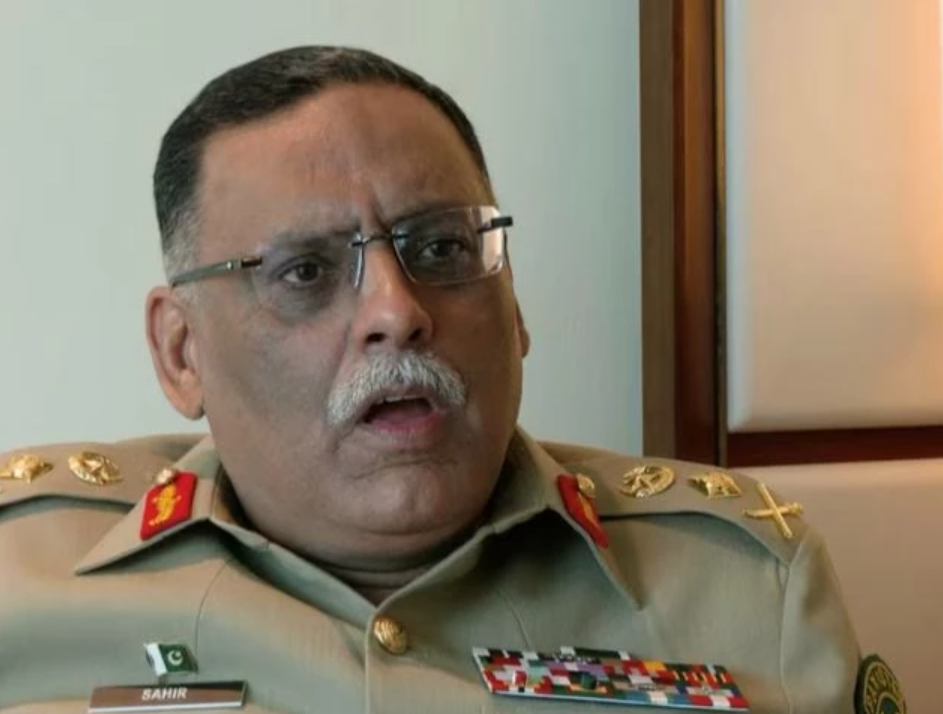
Pakistan and India are in the process of reducing their troop deployments along the border to levels seen before the recent clashes, General Sahir Shamshad Mirza, Pakistan’s Chairperson of the Joint Chiefs of Staff, told Reuters on Friday. However, he cautioned that the crisis has heightened the risk of future escalation.
During four days of intense fighting—the worst between the nuclear-armed neighbors in decades—both sides employed fighter jets, missiles, drones, and artillery before agreeing to a ceasefire.
The conflict was triggered by the Pahalgam attack on April 22 in Indian Illegally Occupied Jammu and Kashmir (IIOJK), which resulted in 26 deaths, mostly tourists. New Delhi accused Pakistani groups of involvement without providing evidence, a claim Islamabad denies, calling instead for an independent investigation.
On May 7, India launched missile strikes on what it described as “terrorist infrastructure” across the border in Pakistan, prompting a defensive response and troop buildups on both sides.
General Mirza confirmed that Pakistan and India have begun withdrawing troops from forward positions. “We have almost returned to the situation prior to April 22… we are approaching or must have approached that by now,” he said, marking the first public comment by a senior Pakistani military official since the clashes.
India’s Ministry of Defence and the office of the Indian Chief of Defence Staff did not immediately respond to requests for comment on Mirza’s statements.
Speaking from Singapore, where he is attending the Shangri-La Dialogue forum, Mirza noted that while the crisis did not escalate to nuclear use, the situation remains perilous. “Nothing happened this time, but you can’t rule out strategic miscalculations during such crises,” he said.
He further warned that the risk of future escalation has grown, especially as this conflict was not confined to the disputed Kashmir region alone.
“This conflict lowers the threshold between two contiguous nuclear powers… future confrontations will likely extend beyond the disputed territory to the entirety of both India and Pakistan,” Mirza said, describing it as a “very dangerous trend.”
Historically, the two countries have fought three major wars, two over Kashmir, and numerous skirmishes since their independence in 1947.
Reuters has reported that the rapid de-escalation was partly due to discreet diplomatic efforts involving the US, India, and Pakistan, with Washington playing a key role in brokering the ceasefire. India, however, denies any third-party involvement, insisting that all engagement must be bilateral.
Mirza warned that future international mediation could prove difficult due to the lack of established crisis management mechanisms between the two countries.
“The time window for international intervention is now very narrow. Damage and destruction could occur before the international community can act,” he said.
Pakistan remains open to dialogue, but aside from a crisis hotline between the directors general of military operations and some tactical border-level contacts, no other communication channels exist.
Mirza also confirmed there have been no backchannel or informal talks to ease tensions, and he has no plans to meet India’s Chief of Defence Staff, General Anil Chauhan, who is also attending the Shangri-La forum.
“These issues can only be resolved through dialogue and consultations at the table. They cannot be resolved on the battlefield,” Mirza concluded.