Prime Minister Shehbaz Sharif has decided to dispatch a high-level diplomatic mission to major world capitals to counter what he termed as “Indian propaganda” following the recent military standoff between Pakistan and India, according to state-run Radio Pakistan.
The move comes in the wake of escalating tensions sparked by the Pahalgam attack in Indian-occupied Kashmir, which India blamed on Pakistan without providing evidence. On the night of May 6–7, India carried out airstrikes in Pakistan’s Punjab and Azad Kashmir, resulting in civilian casualties. In response, Pakistan shot down five Indian fighter jets.
Following a series of retaliatory drone interceptions and airbase strikes from both sides, a ceasefire was brokered by the United States on May 10. Despite the truce, India has maintained a hostile stance, while Pakistan has reiterated its call for restraint and offered to resolve issues through dialogue.
In response to India’s ongoing disinformation campaign, Prime Minister Shehbaz has authorized the formation of a diplomatic team tasked with presenting Pakistan’s version of events and advocating for peace.
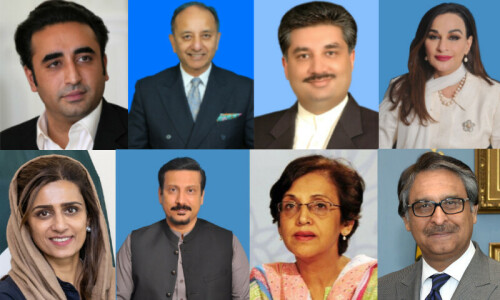
During a phone call with Pakistan Peoples Party Chairman Bilawal Bhutto Zardari, the Prime Minister assigned him to lead the delegation. The team includes prominent political and diplomatic figures such as Dr. Musadik Malik, Engineer Khurram Dastgir, Senator Sherry Rehman, Hina Rabbani Khar, Faisal Subzwari, Tehmina Janjua, and Jalil Abbas Jilani.
The delegation will visit key global capitals — including London, Washington, Paris, and Brussels — with the aim of highlighting India’s alleged disinformation tactics and efforts to undermine regional stability. The mission also seeks to emphasize Pakistan’s commitment to peace in South Asia.
Bilawal Bhutto Zardari confirmed the development on social media platform X, stating: “I am honoured to accept this responsibility and remain committed to serving Pakistan in these challenging times.”
Meanwhile, India has announced that it will also send seven multi-party delegations to key allied countries, including members of the United Nations Security Council, to promote its stance on terrorism and demonstrate what it calls a “national consensus.”