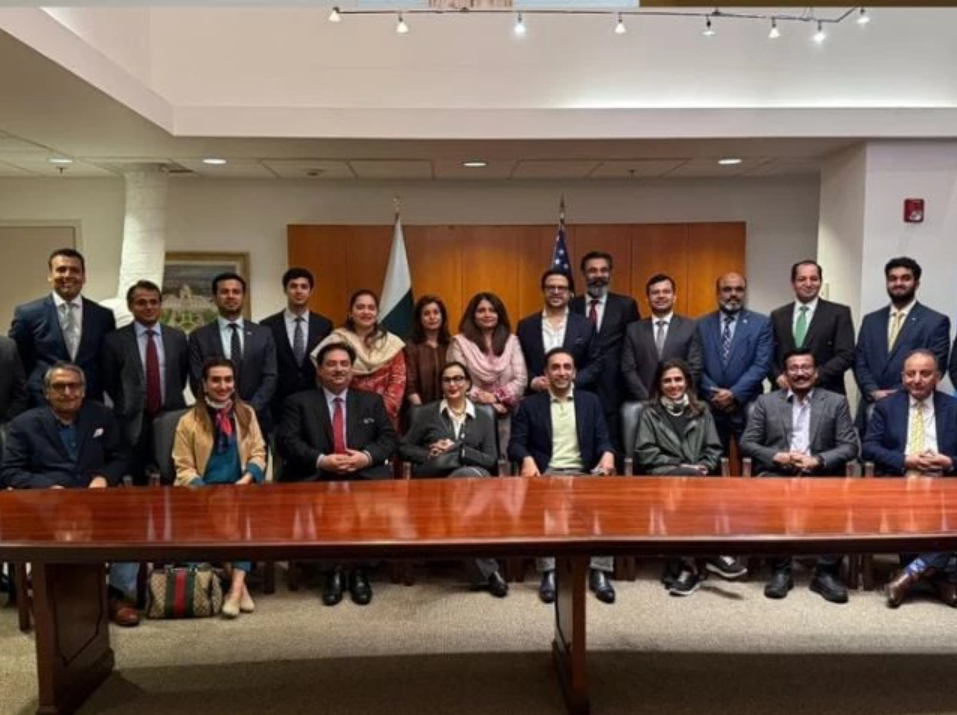
A high-level Pakistani delegation, headed by former foreign minister Bilawal Bhutto Zardari, has reached the United Kingdom following what officials described as a series of “successful” diplomatic engagements in the United States. The visit aimed to present Pakistan’s perspective on the recent military standoff with India and to promote dialogue and peace in South Asia.
The nine-member team held discussions with United Nations officials, diplomats from various member states, and senior figures in the US government. Their mission focused on countering India’s narrative surrounding the April 22 attack in Indian Illegally Occupied Jammu and Kashmir (IIOJK), in which 26 civilians were killed in Pahalgam.
India blamed Pakistan for orchestrating the attack, labeling it terrorism — a claim Islamabad firmly rejected. The accusations prompted Indian military strikes within Pakistani territory, igniting a brief but intense period of cross-border hostilities.
“Our stance was unequivocal: Pakistan desires peace and advocates for resolving all disputes — including the Kashmir issue and the Indus Waters Treaty — through dialogue,” said former foreign secretary Jalil Abbas Jilani during a briefing in London.
Water Dispute and the Need for Global Involvement
Lawmaker Khurram Dastgir, also part of the delegation, emphasized the critical nature of the water dispute, calling for the revival of the 1960 World Bank-brokered Indus Waters Treaty, which India suspended in April. Speaking to a news outlet, Dastgir warned that India’s unilateral move jeopardizes the livelihoods of nearly 240 million people and threatens regional stability.
“The Americans initially believed that the US-brokered ceasefire was enough,” Dastgir said. “But we made it clear that active international engagement is essential, especially when India refuses to accept a neutral investigation or engage in direct dialogue.”
Keeping Global Focus on Kashmir and Peace
Senator Sherry Rehman stated that the delegation’s primary goal was to ensure that the Kashmir dispute and the Indus water crisis remained a focus of international attention. “Our mission was to advocate for peace, regional cooperation, and the rule of international law,” she said.
As the delegation continues its diplomatic outreach in the UK, meetings with senior British officials are expected. British Foreign Secretary David Lammy recently concluded visits to both Islamabad and New Delhi, following the ceasefire between the two South Asian neighbours.
“We support regional stability, but remain aware of the fragile situation, especially with the threat of terrorism,” Lammy remarked, although he refrained from commenting on his discussions with Indian leaders.
Appeals for Mediation and International Pressure
Islamabad continues to accuse New Delhi of denying Kashmiris their right to self-determination and urges India to implement UN Security Council resolutions. India, meanwhile, accuses Pakistan of supporting militant activity in Kashmir — a claim Pakistan denies.
In an interview with AFP, Bilawal Bhutto Zardari called on former US President Donald Trump to take an active role in mediating between the two countries. He stressed that while Pakistan is open to discussing issues related to terrorism, the Kashmir conflict must remain central to any substantial dialogue.
Bilawal also warned that using terrorism as a pretext for military aggression could destabilize the entire South Asian region, placing more than 1.7 billion lives at risk.
In comments to Chinese media, Bilawal criticized India for engaging in unilateral and aggressive actions that threaten regional peace. He also encouraged the Pakistani diaspora in the US to play a proactive role in promoting peace and fostering positive bilateral relations.