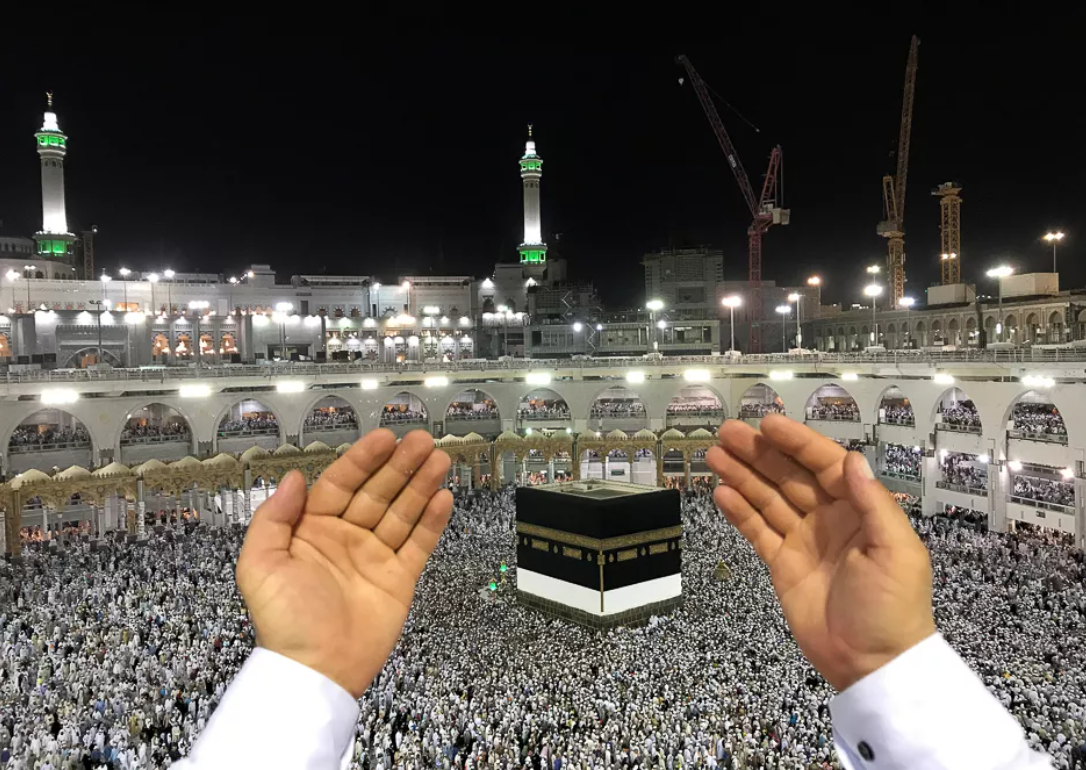
This year, Pakistani pilgrims performing Hajj will benefit from significantly improved amenities, marking a historic milestone in their pilgrimage experience, according to Azizullah Khan, Director of Hajj in Makkah.
In an interview with Radio Pakistan on Tuesday, Khan revealed that for the first time, Pakistani pilgrims will be housed in upgraded, air-conditioned camps in Mina. These camps will feature sofa-cum-beds, gypsum board walls, elevated luggage storage, and other enhancements—replacing the previous basic setup of floor mattresses and air coolers.
Dedicated teams have been deployed around the clock to ensure smooth arrangements for food, healthcare, and transportation. Khan added that 99% of Pakistani pilgrims have already received their Nusuk cards, which serve as the official identification and permit issued by Saudi authorities.
Accommodation in Makkah will include high-end hotels and residential buildings in the Azizia and Batha Quraish areas. Pilgrims will also receive customized Hajj kits that include a bag with the Pakistani flag, a QR code for identification, and essential information.
A mobile app will further aid pilgrims by offering access to group information, training schedules, flight and lodging details, and real-time location tracking during the pilgrimage.
Saudi Arabia is also leveraging a suite of digital tools—including the Nusuk, Hajj Navigator, Tawakkalna, and Asefny apps—to streamline pilgrim services, enhance safety, and provide real-time guidance.
In Pakistan, mandatory Hajj training commenced on January 18, with all necessary information accessible through the Pak Hajj 2025 mobile application.
For the first time under the government’s Hajj scheme, pilgrims have the option to pay in three installments. All financial transactions have been fully digitized to ensure transparency and accountability.
To meet medical needs, Pakistan’s Hajj Medical Mission has set up hospitals in both Makkah and Madinah, along with two dispensaries in Madinah and nine in Makkah. All facilities are fully operational.
A Monitoring Cell has been established to support private pilgrims and resolve any issues they may face. Additional services, such as a dedicated Wheelchair Desk, are also available to assist elderly and physically challenged pilgrims.