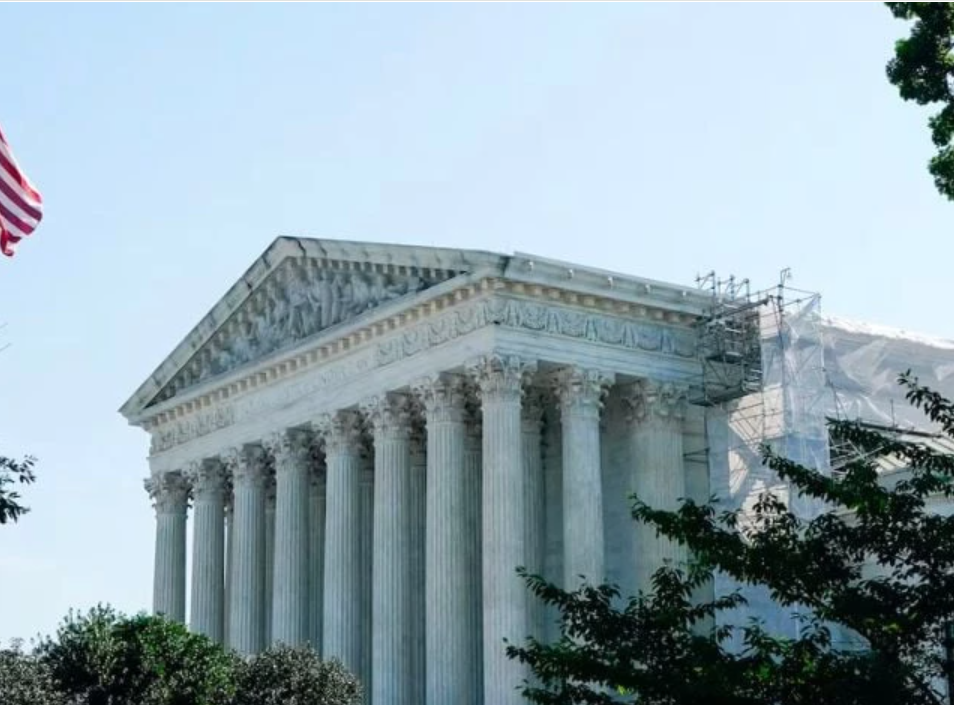

In a controversial decision, the U.S. Supreme Court has allowed the Department of Government Efficiency (DOGE) — a cornerstone of former President Donald Trump’s federal downsizing initiative — sweeping access to sensitive personal data housed within the Social Security Administration (SSA), while a broader legal battle continues in lower courts.
Responding to a request from the Justice Department, the court issued a brief, unsigned order temporarily lifting an earlier block by U.S. District Judge Ellen Hollander. Her ruling had largely barred DOGE from accessing “personally identifiable information,” including medical, financial, and immigration records, citing likely violations of federal privacy laws.
The Supreme Court’s order did not include an explanation. Justices Kagan, Sotomayor, and Jackson dissented, arguing the administration had failed to justify such access or demonstrate any willingness to adhere to existing privacy protections. Justice Ketanji Brown Jackson, writing for the dissent, criticized the majority for granting “unfettered data access” in the absence of safeguards or need.
DOGE, formed during Trump’s presidency with major support from billionaire Elon Musk, has been tasked with slashing bureaucracy and eliminating what its backers consider government waste. Although Musk formally ended his government involvement on May 30, DOGE’s work continues to stir controversy. Critics argue it has overreached by embedding personnel into federal agencies without proper vetting.
Several advocacy groups and labor unions sued to prevent DOGE from accessing SSA’s sensitive systems, warning that the data — including Social Security numbers, bank information, tax history, and mental health records — was being exposed to unqualified actors. In a statement, legal advocacy group Democracy Forward said the court’s ruling “puts millions of Americans’ most private information at risk.”
Judge Hollander had previously issued a preliminary injunction to prevent DOGE-affiliated staff from accessing most personal data, permitting only limited access to anonymized information for individuals who completed training and passed background checks. She also ordered the deletion of any private data already obtained.
The Richmond-based 4th U.S. Circuit Court of Appeals upheld that injunction by a narrow 9-6 margin. However, the Justice Department, calling Hollander’s ruling an act of “judicial overreach,” successfully appealed to the high court, arguing it hindered government employees charged with modernizing data systems.
While a panel of judges had allowed DOGE similar access to data at other agencies, such as the Treasury and Education Departments, dissenting judges noted that the case involving the SSA carried “vastly greater stakes.” They pointed to the especially sensitive nature of SSA records, which include children’s school files, mental health treatment histories, and even credit card information.
As the legal battle unfolds, critics warn the decision sets a troubling precedent for privacy. While DOGE continues its push to reshape government from the inside, civil liberties advocates remain focused on ensuring the most personal details of millions of Americans are not lost in the name of bureaucratic reform.