TEHRAN: Iran has pledged to defend its sovereignty with “all force” after US airstrikes hit three of its nuclear facilities, calling the attacks a grave violation of international law and the UN Charter. Tehran urged the UN Security Council to convene an emergency session to hold Washington accountable.
In a strongly worded statement, Iran’s Foreign Ministry denounced the strikes as “brutal military aggression” targeting peaceful nuclear infrastructure, accusing the US of committing a “heinous crime” in collusion with Israel.
“This act of aggression exposes the criminal complicity between the United States and the Zionist regime and undermines global non-proliferation efforts,” the ministry said. It warned of “dangerous consequences” and said silence would plunge the world into chaos.
Iran cited violations of Article 2(4) of the UN Charter and UN Security Council Resolution 2231, calling on the international community to reject what it described as unlawful unilateral aggression. The Foreign Ministry also criticised the International Atomic Energy Agency (IAEA) for alleged bias, claiming it enabled the escalation.
Foreign Minister Seyed Abbas Araghchi said the US and Israel had derailed diplomatic efforts. “Last week, we were in talks with the US when Israel blew up diplomacy. This week, during talks with the EU, the US did the same,” he posted on X, rejecting Western calls for Iran to “return” to negotiations, saying, “Iran never left the table.”
US Operation and Trump’s Warning
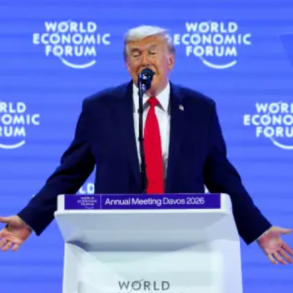
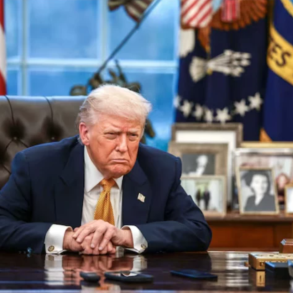
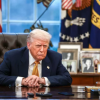
In a televised address, President Donald Trump confirmed the strikes, stating that Iran’s key enrichment sites — Fordow, Natanz, and Isfahan — were hit with precision and “obliterated.” Trump warned of “far greater force” if Iran retaliates and urged Tehran to choose “peace over tragedy.”
The US used B-2 bombers and bunker-buster bombs for the operation, which Trump described as a success aimed at dismantling Iran’s nuclear capacity and stopping what he called “the world’s number one state sponsor of terror.”
Global Reactions
The strikes drew mixed international reactions. Israeli Prime Minister Benjamin Netanyahu praised Trump’s “bold decision,” saying it would change history by preventing Iran from acquiring nuclear weapons.
UN Secretary-General António Guterres called the attack a “dangerous escalation” and urged de-escalation and a return to diplomacy. Countries including Venezuela, Cuba, and Mexico condemned the strikes, warning of destabilisation. Australia, New Zealand, and the UAE called for restraint and dialogue.
Russia reiterated there was no evidence Iran was pursuing nuclear weapons, echoing past IAEA assessments.
Regional Impact and Oil Fears
The attacks, coupled with strikes on energy infrastructure and risks to shipping in the Strait of Hormuz, have sparked fears of a surge in oil prices and broader economic fallout. Analysts warn that continued hostilities could disrupt global supply chains.
As tensions rise, the international community faces mounting pressure to prevent the conflict from spiraling into a wider regional war.