
Hamas Rejects Disarmament, Insists on Israeli Troop Withdrawal and War End
The United States has put forward a proposal for a 60-day ceasefire in Gaza, according to a document obtained by Reuters on Friday. The plan calls for the release of 28 Israeli hostages—both living and deceased—within the first week, in return for freeing 1,236 Palestinian prisoners and handing over the remains of 180 deceased Palestinians.
The proposal, backed by US President Donald Trump and mediated by Egypt and Qatar, also includes the immediate delivery of humanitarian aid to Gaza once Hamas agrees to the ceasefire. The aid would be distributed by the United Nations, the Red Crescent, and other approved channels.
The White House confirmed on Thursday that Israel has accepted the ceasefire plan. Israeli media reported that Prime Minister Benjamin Netanyahu informed the families of hostages about the deal, which was presented by Trump’s Middle East envoy Steve Witkoff. Netanyahu’s office declined to comment.
Hamas, however, stated that it had received Israel’s response but dismissed it for failing to meet the “just and legitimate demands” of Palestinians—chief among them, an immediate end to the fighting and the humanitarian crisis in Gaza.
Hamas official Basem Naim said the Israeli response was designed to “entrench the occupation and continue policies of killing and starvation, even during a supposed de-escalation period.” Still, he added that Hamas is carefully reviewing the proposal.
The US plan envisions that once a permanent ceasefire is reached, Hamas would release the last 30 of the 58 remaining Israeli hostages. Israel would halt all military operations in Gaza immediately upon the truce taking effect and begin withdrawing its troops in phases.
Efforts to re-establish a truce, which collapsed in March, have repeatedly failed due to deep divisions between Hamas and Israel. Israel insists that Hamas must disarm entirely, dismantle its military and governance structures, and release all 58 hostages still held in Gaza before it will consider ending the war.
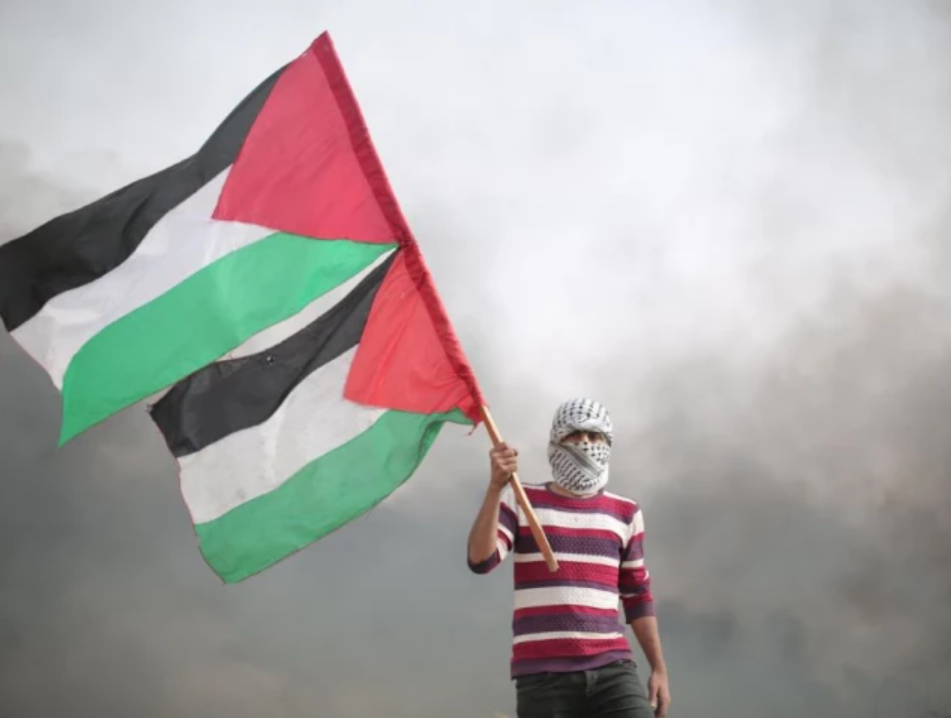
Hamas has refused to disarm and demands that Israel withdraw from Gaza and commit to stopping the war.
Israel launched its military offensive in Gaza following the Hamas attack in southern Israel on October 7, 2023, which killed around 1,200 people and resulted in 251 hostages being taken, according to Israeli figures.
Since then, more than 54,000 Palestinians have died in Gaza, according to health officials there, and much of the territory has been devastated.
Growing International Pressure
Israel is facing mounting international pressure to end the war, including from European nations that typically avoid directly criticizing Israel. The UN Office for the Coordination of Humanitarian Affairs (OCHA) said on Friday that Israel is blocking almost all humanitarian aid to Gaza, allowing in just a minimal amount of food, even as the enclave faces famine-level conditions.
On Wednesday, Witkoff told reporters that Washington was close to circulating “a new term sheet” for a potential ceasefire and said he was optimistic about reaching a long-term, peaceful resolution.
The 60-day truce outlined in the US proposal can be extended if permanent ceasefire talks are not completed within that timeframe.
However, senior Hamas official Sami Abu Zuhri said the current proposal essentially reflected Israel’s stance and did not include a commitment to end the war, withdraw Israeli troops, or guarantee humanitarian aid access—Hamas’ key demands.
Aid Efforts
The Gaza Humanitarian Foundation (GHF), a US-backed and Israeli-endorsed group, reported on Thursday that it had distributed over 1.8 million meals this week and had expanded to a third distribution site in Gaza. GHF says it plans to open additional sites in the coming weeks.
Despite this, the group has been heavily criticized by the United Nations and other aid organizations for being insufficient and flawed. The UN has warned that 2 million people in Gaza are at risk of famine after 11 weeks of Israeli-imposed aid restrictions.
On Tuesday, scenes of chaos erupted as thousands of Palestinians surged toward aid distribution points, forcing private security contractors to withdraw.
This disorderly start has increased international pressure on Israel to improve the flow of aid and work towards halting the fighting in Gaza.