- Temperatures to Soar 4–7°C Above Normal Across Regions
- Westerly Weather System Expected in the North on May 19
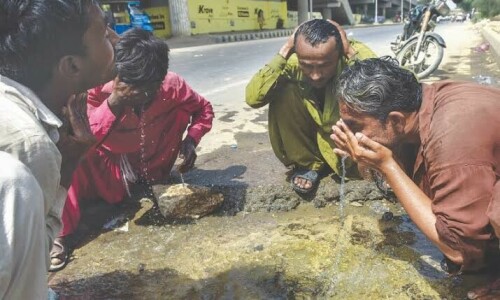
RAWALPINDI / LAHORE: Pakistan is set to experience its first heatwave of the season, with the Pakistan Meteorological Department (PMD) forecasting a significant rise in temperatures beginning Thursday (today). The heatwave is expected to affect large parts of the country and continue for three to four days.
According to a PMD advisory, a high-pressure system will dominate most areas from May 15 to 20. Southern regions — including Sindh, southern Punjab, and Balochistan — are likely to see daytime temperatures rise 4 to 6°C above the seasonal average.
Meanwhile, temperatures in central and upper Punjab, Islamabad, Khyber Pakhtunkhwa (KP), Azad Jammu and Kashmir (AJK), and Gilgit-Baltistan are expected to range between 5 to 7°C above normal from May 15 to 19.
A westerly weather system is forecast to enter the northern parts of the country on the evening or night of May 19. Under its influence, scattered rain, windstorms, and thunderstorms — some accompanied by heavy showers and hail — are expected in AJK, Islamabad, the Pothohar region, northeast Punjab, upper KP, and Gilgit-Baltistan on May 19 and 20.
Public Urged to Take Precautions
The PMD has advised the public, particularly vulnerable groups such as children, the elderly, and women, to avoid direct sun exposure and stay hydrated during the heatwave. Farmers are also being asked to adapt their farming practices and safeguard livestock. The heatwave could speed up snowmelt in northern areas, increasing water flow in rivers, prompting authorities to remain alert for possible emergencies.
Provincial and Health Authorities Issue Alerts
In Punjab, the Provincial Disaster Management Authority (PDMA) has issued a heatwave warning to all commissioners and deputy commissioners, urging them to stay alert. PDMA Director General Irfan Ali Kathia instructed departments — including education, health, transport, local government, and emergency services — to implement preventive measures. These include ensuring access to clean drinking water in public spaces and maintaining first-aid readiness in hospitals and mobile units.
Residents are advised to avoid travel during peak heat hours, wear light-colored clothing, cover their heads when outside, and take extra care of outdoor workers, children, and the elderly. Water conservation and staying informed on heatwave updates were also emphasized.
Healthcare System on Alert
The National Institute of Health (NIH) had previously released a heatstroke advisory, urging hospitals to prepare for a rise in heat-related illnesses. The advisory stressed that climate change is driving more frequent and intense heatwaves in Pakistan, leading to increased health risks and deaths, especially in vulnerable communities and under-resourced areas.
According to the World Health Organization (WHO), heatwaves are among the growing health threats posed by climate change. In recent years, Pakistan has faced severe heatwaves that have resulted in substantial loss of life and health burdens.
The NIH advisory aims to ensure health authorities are prepared for heatstroke prevention and response. High-risk groups include infants, the elderly, people with existing health conditions, athletes, pregnant women, and those working outdoors.
In case of suspected heatstroke, immediate medical attention is essential. The key is to quickly reduce the person’s body temperature. Move the affected person to a shaded area, remove excess clothing, and apply cool water to the skin. If they are conscious and able to drink, provide cool, non-alcoholic, caffeine-free fluids. Intravenous fluids and hospitalization may be necessary in severe cases.