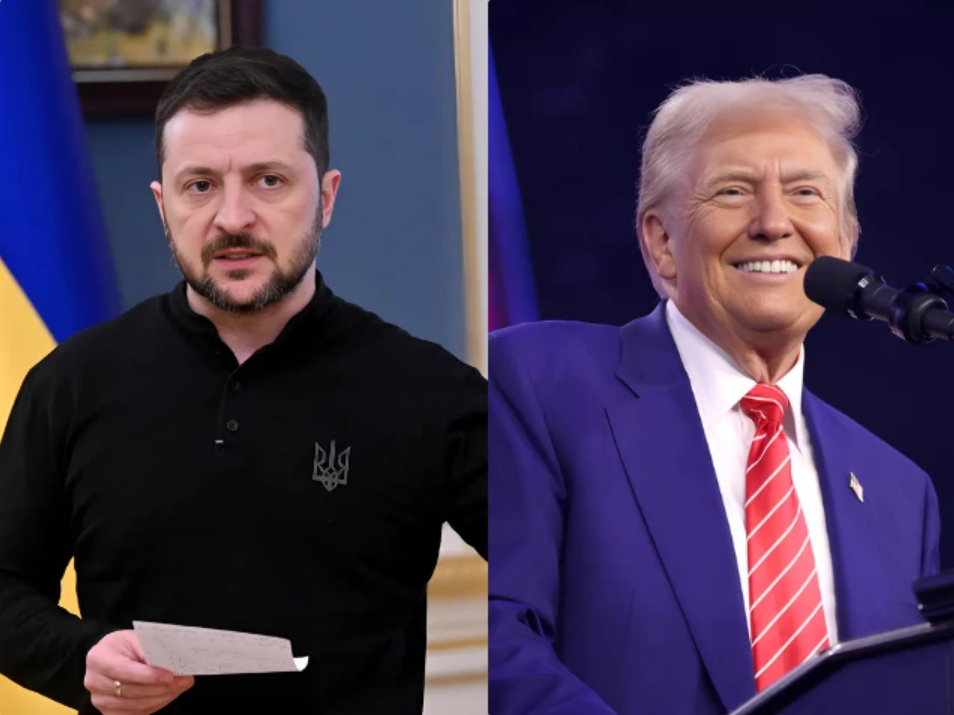
Ukrainian President Volodymyr Zelenskyy revealed on June 8 that 20,000 anti-drone missiles initially pledged to Ukraine were redirected by the Trump administration to U.S. forces in the Middle East — just prior to Israel’s airstrikes on Iran.
The move has fueled speculation about potential U.S. involvement in the Israeli offensive, particularly in terms of military preparedness across the region.
The missiles were originally part of a U.S.-Ukraine agreement aimed at bolstering Ukraine’s defenses against Russian drone attacks, particularly those involving Iranian-made Shahed drones targeting Ukrainian cities. However, Zelenskyy stated that then-Defense Secretary Pete Hegseth approved the redirection of these systems to American troops stationed in the Middle East, according to The Wall Street Journal.
Ukraine had been counting on these anti-drone systems to mitigate the persistent threat posed by Russia’s drone warfare. Speaking to ABC News, Zelenskyy described the systems as “not expensive, but special technology,” vital for countering Shahed-type drones.
The timing of this diversion — just ahead of Israel’s airstrikes on Iranian nuclear and military facilities — has raised concerns over the extent of U.S. foreknowledge or indirect support for the operation.
In the aftermath of the Israeli strikes, U.S. Secretary of State Marco Rubio firmly stated, “We are not involved in strikes against Iran, and our top priority is protecting American forces in the region.”
Meanwhile, global condemnation of Israel’s actions has poured in from countries including Saudi Arabia, Qatar, and Türkiye, all of whom denounced the attack as a dangerous escalation.
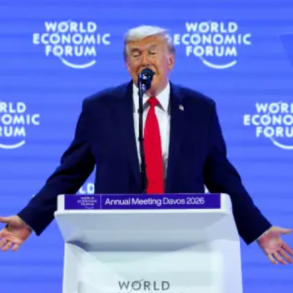
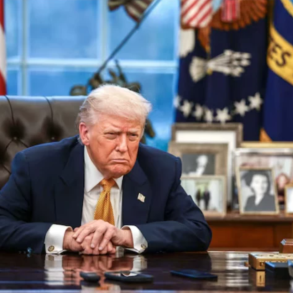
Former U.S. President Donald Trump, however, remained resolute in his stance against Iran, asserting: “Iran cannot have a nuclear bomb,” while also expressing hopes for renewed diplomatic negotiations.
Russia continues to escalate its drone campaign against Ukraine, with reports from The Kyiv Independent noting expanded drone production and new launch sites across Russian territory.
In response, Zelenskyy called on Western allies to accelerate military assistance, emphasizing the urgency of U.S. support amid growing speculation about shifting priorities and the broader geopolitical calculus surrounding U.S.-Israel relations.
Iran’s Supreme Leader Ayatollah Ali Khamenei, in reaction to the Israeli strike, vowed “severe punishment,” further intensifying the already volatile regional climate.