NEW DELHI: Indian news anchor Arnab Goswami was in the middle of reporting Pakistan’s supposed downfall when a sudden announcement interrupted the broadcast — a ceasefire had been declared.
Elsewhere, other pro-Modi news channels were airing dramatic stories of a “regime change” in Pakistan and alleged missile strikes on Karachi by Russian-made BrahMos missiles. As doubts began to creep into their viewers’ minds, independent verification was nearly impossible — most foreign news outlets remained blocked or restricted in India through official or unofficial measures.
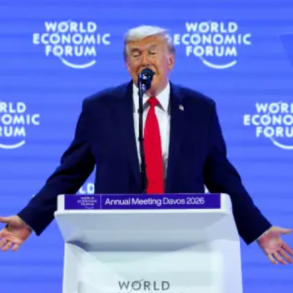
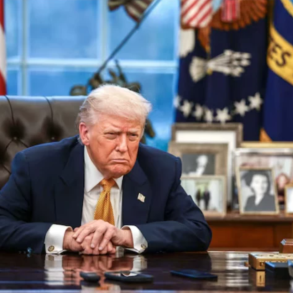
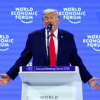
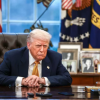
“Who gave President Trump the right to intervene?” Goswami shouted in disbelief.
In the narrative pushed by these outlets, Pakistani pilots couldn’t possibly outmaneuver Indian ones, nor could Pakistan possess superior aircraft. Indian TV channels, long seen as defenders of the political establishment, are now facing a potential turning point.
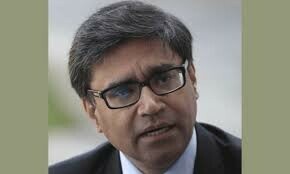
Rather than directing their anger at Prime Minister Narendra Modi — the likely figure to engage with President Trump — his supporters turned their frustration toward Foreign Secretary Vikram Misri. Misri had been at the forefront, updating the public on post-Pahalgam tensions and the clashes with Pakistan, and it was he who announced the ceasefire on behalf of the government.
Following the announcement, Misri became the target of relentless online abuse and trolling.
In response, his peers rallied behind him. The Indian Administrative Service Association expressed solidarity with Misri and his family, posting on X (formerly Twitter):
“Unwarranted personal attacks on civil servants performing their duties with integrity are deeply regrettable. We reaffirm our commitment to uphold the dignity of public service.”
The Indian Police Service Association echoed the sentiment, condemning the attacks:
“We unequivocally condemn the deplorable personal attacks against Foreign Secretary Misri and his family. Such unwarranted assaults on civil servants committed to their duties are intolerable.”
After Misri’s personal X account was flooded with abusive comments, many targeting his daughter, he was forced to make his profile private, according to The Hindu.
Hyderabad MP Asaduddin Owaisi contextualized the matter on X, writing:
“Our civil servants work under the Executive. This must be remembered & they shouldn’t be blamed for decisions made by the Executive or political leadership of our beloved nation.”
Congress leader Sachin Pilot also denounced the attacks, saying:
“It’s unacceptable to target our professional diplomats and civil servants — those who work dedicatedly to serve the nation.”
Gaurav Gogoi, Congress’s deputy leader in the Lok Sabha, supported Misri as well:
“Mr Misri carried out his duty with professionalism. There is absolutely no justification for targeting him — he merely conveyed the decision taken by the country’s political leadership.”
As the focus shifted inward toward accountability and blame, broader geopolitical concerns emerged for India.
With U.S. President Donald Trump and Chinese President Xi Jinping reportedly making progress on new trade agreements, a warming of U.S.-China relations in the context of the India-Pakistan conflict could spell strategic challenges for New Delhi.
Meanwhile, far from Delhi’s political storm, Jammu and Kashmir Chief Minister Omar Abdullah urged residents near the Line of Control — now unusually quiet — to return to their homes.