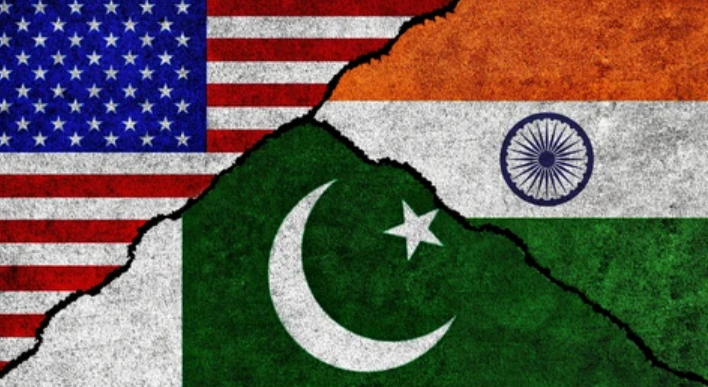

In a rare convergence of interests, both Pakistan and India have separately proposed zero-tariff trade agreements with the United States, signaling a potential shift in South Asia’s economic diplomacy following a major ceasefire between the two nuclear-armed neighbors.
According to credible sources, Pakistan has offered a bilateral trade deal that would eliminate tariffs on selected goods, aiming to enhance economic ties with the US across multiple sectors. This initiative comes on the heels of a US-brokered ceasefire between Islamabad and New Delhi, which brought an end to the most intense military escalation in nearly three decades.
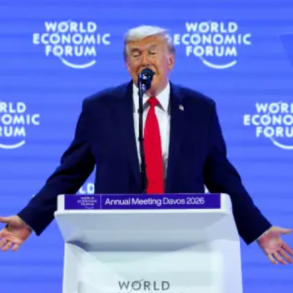
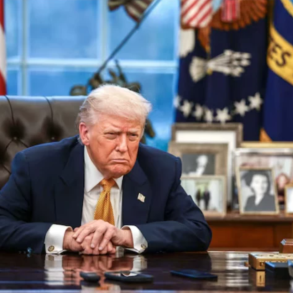
President Donald Trump, speaking at the Saudi-US Investment Forum 2025, took credit for de-escalating the recent hostilities between the two nations. “My administration successfully brokered a historic ceasefire to stop the escalating violence between India and Pakistan,” he said. “Instead of trading missiles, I urged them to trade goods. And now we’re talking deals—real economic cooperation.”
The ceasefire followed a deadly incident in Indian Illegally Occupied Jammu and Kashmir on April 22, where 26 tourists were killed. India responded with missile strikes on Pakistani civilian infrastructure, which led to a sharp military exchange. Pakistan denied involvement in the incident and retaliated with Operation Bunyan-un-Marsoos, targeting Indian military assets. Pakistan claimed to have shot down six Indian fighter jets, including Rafale warplanes.
President Trump praised the leadership of both Prime Minister Modi and Prime Minister Shahbaz Sharif, calling them “strong and smart leaders” and expressing optimism about future collaboration. He also commended Vice President JD Vance and Secretary of State Marco Rubio for their diplomatic efforts during the crisis.
Meanwhile, India has independently proposed a zero-tariff trade arrangement with the US. Speaking in Doha, President Trump revealed that New Delhi is offering to remove tariffs on up to 60% of tariff lines in the first phase of a broader trade pact. India is also reportedly offering preferential access to nearly 90% of the goods it imports from the US.
“It’s very hard to sell in India, but they are now offering us a deal with essentially no tariffs,” Trump said during a business roundtable. India’s trade delegation, led by Commerce Minister Piyush Goyal, is set to visit Washington starting May 16 to push the negotiations forward.
The move comes as India seeks to finalize a trade agreement within a 90-day window following Trump’s April 9 pause on new tariff hikes for major trading partners. India’s equity markets reacted positively to the news, reaching a seven-month high.
Despite India’s trade overture, Trump criticized Apple for shifting its iPhone production to India. “We treated Apple very well, but we want those jobs in the US, not India,” he said, recounting a conversation with Apple CEO Tim Cook.
India has been actively promoting itself as a global smartphone manufacturing hub. In March, Apple’s suppliers, including Foxconn and Tata, exported a record $2 billion worth of iPhones from India to the US to avoid future tariffs.
Currently, the United States is India’s largest trading partner, with bilateral trade reaching $129 billion in 2024. However, the trade balance favors India, which enjoys a $45.7 billion surplus.
As both Pakistan and India signal a willingness to boost trade with Washington, the United States finds itself uniquely positioned to leverage economic diplomacy to maintain regional peace and expand strategic influence in South Asia.