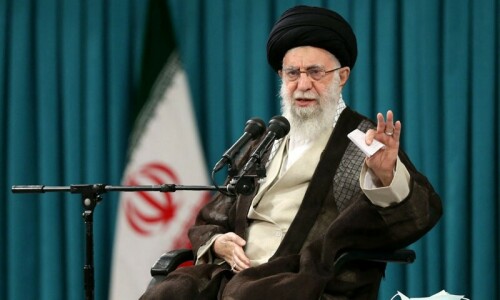
Iran’s Supreme Leader Ayatollah Ali Khamenei expressed skepticism on Tuesday over the ongoing nuclear negotiations with the United States, suggesting they are unlikely to produce meaningful results.
“We do not believe these talks will yield any outcome. It’s unclear what will come of them,” Khamenei stated during a public address, asserting that efforts to deny Iran the right to enrich uranium represent a “major mistake.”
Since April 12, Iran and the U.S. have held four rounds of nuclear talks through Omani mediation—their highest-level engagement since Washington’s withdrawal from the 2015 nuclear agreement. Another round of negotiations was scheduled after the most recent meeting on May 11, which Iranian officials described as “difficult but useful,” while a U.S. representative said Washington found the discussions “encouraging.”
Iran currently enriches uranium up to 60%, far exceeding the 3.67% cap set by the 2015 deal, though still short of the 90% threshold required for a nuclear weapon. Western powers, particularly the U.S., suspect Iran of seeking nuclear arms, a claim Tehran consistently denies, maintaining that its nuclear program is strictly for peaceful use.
Iranian leaders have insisted that their right to enrich uranium is “non-negotiable.” On the U.S. side, chief negotiator Steve Witkoff has described any level of Iranian enrichment as a “red line.” On Sunday, Witkoff reiterated Washington’s firm position: “The United States cannot allow even one percent of enrichment capability.”
Despite the stalemate, Iranian Foreign Minister and lead negotiator Abbas Araghchi indicated Tehran’s openness to dialogue. “If the U.S. is serious about preventing Iran from acquiring nuclear weapons, a deal is achievable,” Araghchi said in a statement on X, adding, “Enrichment in Iran will continue, deal or no deal.”
Renewed U.S. Pressure and Mixed Signals
Iranian diplomats have suggested they may consider temporary limitations on enrichment volume and levels. However, the U.S. has renewed its “maximum pressure” campaign under President Donald Trump, who returned to office in January.
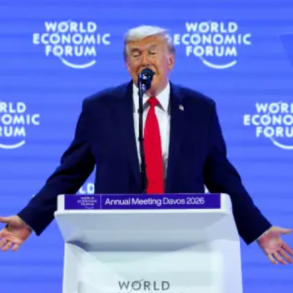
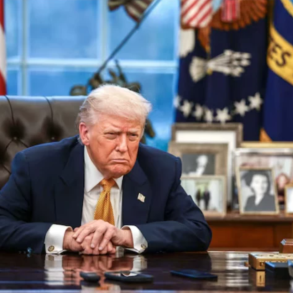
While Trump has expressed support for diplomatic efforts, he has also warned of possible military action if talks fail. In recent comments, he cautioned that “something bad is going to happen” unless Iran acts swiftly to reach an agreement. Earlier, he hinted that a deal might be near, potentially avoiding military escalation.
Iranian officials, however, have criticized the U.S. for sending mixed messages, pointing out discrepancies between public statements and private discussions, and condemning ongoing sanctions targeting Iran’s nuclear sector and oil exports.
“There is a clear inconsistency between what American officials say publicly and what they communicate in private,” Araghchi noted on Sunday.