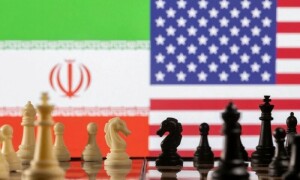
Iranian and American negotiators are set to meet in Rome on Friday for a fifth round of nuclear discussions, following a public disagreement over Tehran’s uranium enrichment program.
These talks, which started in April, mark the highest-level engagement between the two nations since the US withdrew from the 2015 nuclear deal during President Donald Trump’s first term.
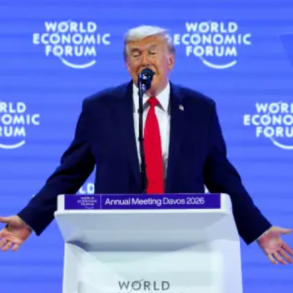
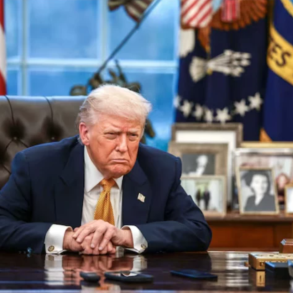
Since returning to office, Trump has intensified his “maximum pressure” campaign on Iran, supporting negotiations but warning of military action if diplomacy fails.
Iran seeks a new agreement that would ease the sanctions severely impacting its economy.
The previous round of talks, held in Muscat, Oman, ended with a public clash over uranium enrichment levels. US envoy Steve Witkoff stated Washington “could not authorize even one percent” enrichment — a stance Iran considers a red line, citing its rights under the Non-Proliferation Treaty.
“Fundamental differences” remain
Ahead of Friday’s meeting, Iran’s Foreign Minister Abbas Araghchi acknowledged persistent “fundamental differences” with the US but expressed Tehran’s openness to increased inspections of its nuclear sites.
He added, “We will not have an agreement at all if the United States wants to prevent Iran from enriching uranium.”
The talks in Rome precede a June meeting of the International Atomic Energy Agency (IAEA) Board of Governors in Vienna, and the October expiration of the 2015 Joint Comprehensive Plan of Action (JCPOA).
The JCPOA aimed to prevent Iran from developing nuclear weapons—a charge Iran denies—by imposing limits on its nuclear program in exchange for relief from international sanctions.
The agreement was effectively dismantled in 2018 when the US unilaterally withdrew. In response, Iran accelerated its nuclear activities, now enriching uranium up to 60 percent, well above the JCPOA cap of 3.67 percent but below weapons-grade levels of 90 percent.
Unlikely to back down
Experts in Tehran suggest Iran is unlikely to make concessions.
Mohammad Marandi, a political scientist and former nuclear advisor, said, “It’s quite simple; if the US expects Iran to halt nuclear enrichment, then there can’t be a deal.”
The Atomic Energy Organization of Iran highlights that the country’s nuclear industry employs 17,000 people and compares Iran’s uranium enrichment for civilian use to that of countries like the Netherlands, Belgium, South Korea, Brazil, and Japan—none of which possess nuclear weapons.
Tensions with Israel
Iran’s longstanding hostility toward Israel—a close US ally—looms over the talks. In a letter to the UN, Araghchi warned that any Israeli attack on Iran’s nuclear facilities would implicate the US government legally.
This came after reports citing anonymous US officials suggested Israel is preparing for a possible strike on Iran’s nuclear sites.
The White House confirmed a “productive discussion” between President Trump and Israeli Prime Minister Benjamin Netanyahu concerning Iran and the recent fatal shooting of two Israeli embassy staff in Washington.
Possible “snapback” sanctions
Friday’s talks come ahead of the IAEA Board of Governors meeting, which will review Iran’s nuclear activities.
The 2015 deal includes a “snapback” mechanism that could reimpose UN sanctions if Iran fails to comply.
The European signatories—Britain, France, and Germany—have warned they would activate this mechanism if Europe’s security is threatened.
Iran’s top diplomat Araghchi cautioned that such a move would have “consequences—not only the end of Europe’s role in the agreement, but also an escalation of tensions that could become irreversible.”