ISLAMABAD:
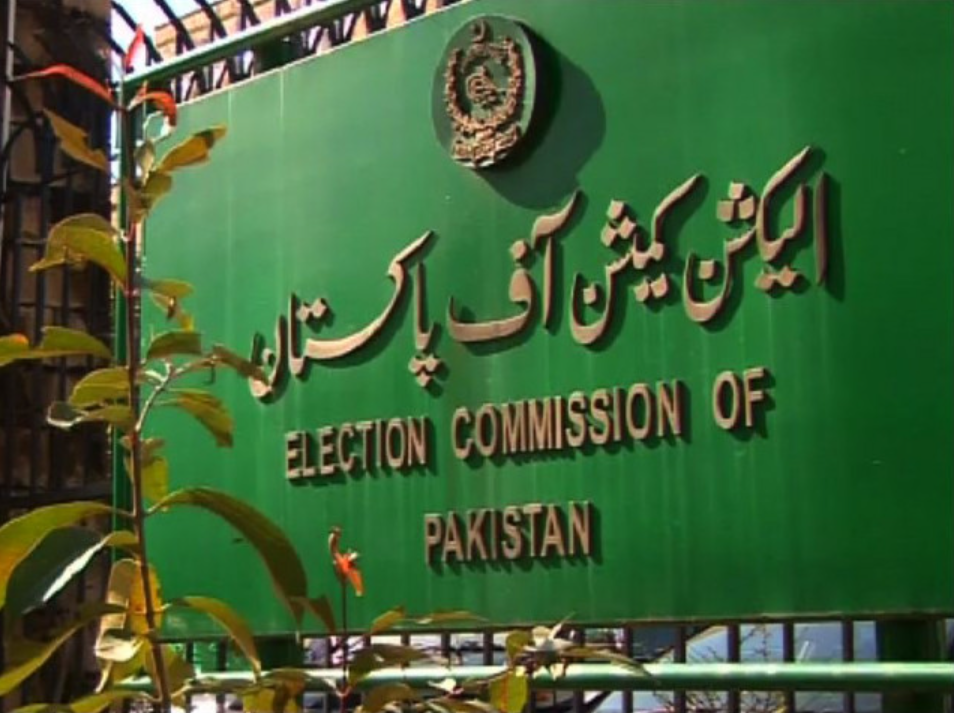
The Election Commission of Pakistan (ECP) has submitted a written reply to the constitutional bench of the Supreme Court regarding the review petitions in the reserved seats case, stating that the Pakistan Tehreek-e-Insaf (PTI) was never a party to the case before the apex court.
On January 13, 2024, a three-member Supreme Court bench upheld the ECP’s December 22, 2023, order declaring PTI’s intra-party elections null and void. Following this verdict and its “misinterpretation” by the ECP, PTI candidates had to contest the February 8, 2024 general elections as independents.
Eighty of these independent candidates secured National Assembly seats and later joined the Sunni Ittehad Council (SIC), apparently to claim reserved seats for women and minorities. However, the ECP refused to allocate these seats to SIC, a decision challenged by SIC in the Supreme Court.
On July 12, 2024, a full bench of the Supreme Court, by a narrow majority of 8 to 5, reinstated PTI as a parliamentary party, noting that 39 lawmakers had submitted affiliation certificates with PTI during nominations and were thus recognized as PTI members.
The Court ruled that the remaining 41 lawmakers who had not submitted affiliation certificates at the time of nominations could do so within 15 days.
The government filed review petitions against this ruling, and the constitutional bench is now hearing the matter.
In its reply, the ECP argued that most judges supporting the July 12 decision overlooked clarifications issued on September 14 and October 18. It stated the case was never presented to the full 13-member bench before these clarifications.
The ECP claimed the majority ruling violated Articles 10-A and 4 of the Constitution and wrongly stated that PTI was present before the court. According to the ECP, PTI never requested reserved seats nor pursued them in any forum.
The commission contended that the July 12 judgment effectively replaced PTI with SIC. It pointed out that lists for reserved seats must be submitted before polling per election schedules, yet PTI was ordered to submit its list after elections, which contradicts the law.
Additionally, the ECP said that declaring 39 members as PTI lawmakers bypassed legal procedures, and relief under Article 187 exceeded the court’s jurisdiction. It also criticized that the ECP was not heard when Section 94 of the Election Act was invalidated.
Meanwhile, the Pakistan Peoples Party (PPP) also submitted additional statements to the Supreme Court, arguing that the July 12 ruling exceeded the scope of the original petitions and relief sought.
PPP emphasized that the core issue was whether SIC was entitled to reserved seats, not PTI. The question of SIC’s entitlement had already been addressed by the ECP, the Peshawar High Court, and the Supreme Court.
The party asserted that the Supreme Court’s decision on reserved seats was unrelated to the petitions before it and that the court exceeded its jurisdiction by granting unrequested relief.
PPP clarified that PTI and SIC are separate political entities.