
Islamabad — Pakistani commercial banks have begun to delay payments for import-related transactions, driven by tight foreign currency supplies as the country braces for large debt repayments and strives to meet the IMF’s strict foreign reserves targets by the end of June.
According to multiple bankers, the State Bank of Pakistan (SBP) will need to either halt its dollar purchases from the market entirely or significantly cut back to stabilize the dollar supply. The central bank has yet to issue an official statement on the matter.
Sources said some banks, both large and small, have started deferring payments for imports — particularly those under open-account and contractual arrangements — by two to three weeks. They also noted that some major importers are paying above the interbank rate to secure dollars for letters of credit (LC) clearances.
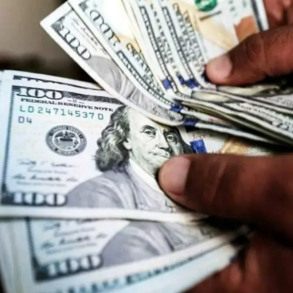
This has led to a growing gap between the interbank and open market dollar rates. On Saturday, the interbank rate stood above Rs282, while open market dollars were trading around Rs285.
Although this situation does not yet mirror the 2022 currency crisis, a senior banker warned that the SBP must act promptly to prevent market speculation. Authorities speaking anonymously said the rupee has come under pressure, but they expect this to be a short-lived issue.
Meanwhile, large importers like Pakistan State Oil (PSO) and Pak Arab Refinery Limited (PARCO) are also facing challenges in securing favorable rates for dollar payments. PSO, for instance, paid nearly Rs3 more for a recent payment compared to its previous deal — a move that could push petrol prices higher for consumers.
Pakistan owes $2.4 billion in foreign commercial debt repayments to China next month, in addition to obligations to multilateral lenders. With foreign exchange reserves at $11.5 billion, fulfilling these payments while maintaining healthy reserves is a growing challenge.
The IMF has further tightened its end-June Net International Reserves (NIR) target to a negative $7.5 billion — a $1.1 billion decrease from the earlier target agreed upon last September. This means the SBP still needs a $2.7 billion buffer just to meet the end-June target, as detailed in the IMF’s report.
A senior banker noted that while export and remittance inflows are sufficient to cover imports, it is the financial account — specifically the pressures from debt repayments — that is weighing heavily on the exchange rate. He urged the SBP to pause dollar purchases temporarily to ease the crunch.
The banking sector has already flagged the emerging dollar shortfall to the SBP. Despite the ongoing IMF programme, Pakistan has not secured enough external financing. Earlier this year, SBP Governor Jameel Ahmad said the central bank had bought over $9 billion from the domestic market in 2024 to bolster reserves.
The SBP did not respond to questions about the current rupee-dollar pressures or whether about $1 billion in import-related payments are currently stuck due to dollar shortages. Nor did it comment on the widening spread between interbank and open market rates or its response strategy.
These dollar purchases have helped reduce foreign debt by $800 million in the current fiscal year’s first nine months and have contributed to bringing inflation down to single digits. But exporters warn that the tight dollar controls are hurting their competitiveness and argue for letting market forces determine rates.
The seasonal demand for foreign currency tied to Hajj has also contributed to the current strain, but central bank officials expect that this pressure will soon ease.