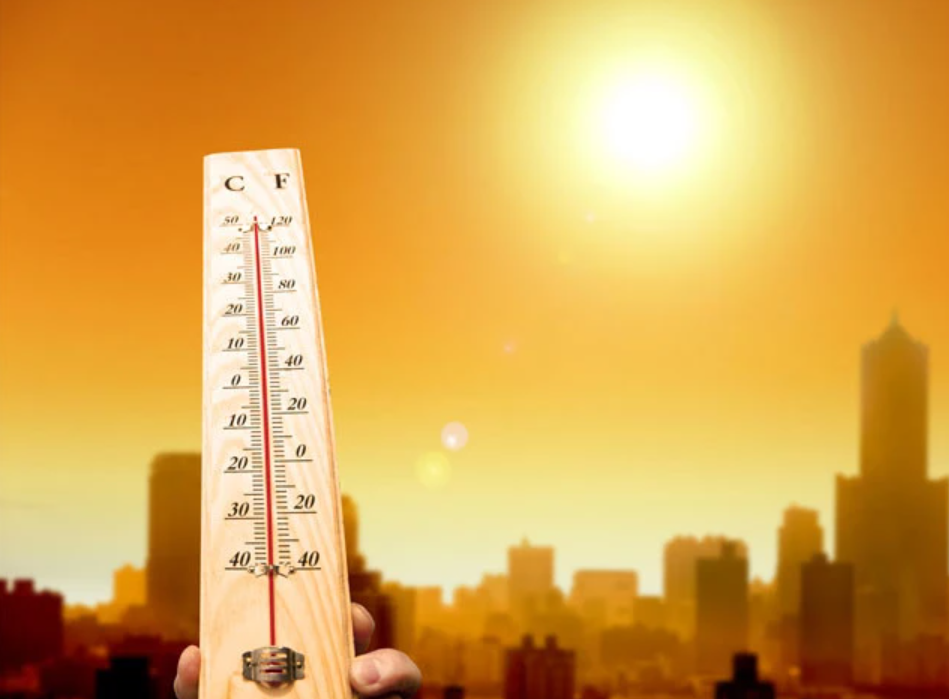

Pakistan is currently in the throes of one of its most brutal heatwaves in recent memory, with temperatures surging well beyond tolerable thresholds and topping 50°C in several regions. The Pakistan Meteorological Department (PMD) warns the blistering conditions are expected to persist until Thursday, June 13, making daily life not just uncomfortable, but potentially dangerous.
A Climate Emergency in Real Time
From the sunbaked plains of Punjab to the rugged terrain of Balochistan and the humid expanses of Sindh, the heatwave has spared no region. Bhakkar recorded a searing 50°C, the highest temperature reported in the country so far, while other areas such as Dera Ghazi Khan, Noorpur Thal, and Gujranwala are not far behind, hovering between 48°C to 49°C. Major urban centres—Lahore, Faisalabad, Multan, and Sahiwal—are also enduring temperatures between 45°C and 47°C, pushing public endurance to its limits.
Humidity has only worsened the heat index. In Multan, for example, the combination of 46°C temperature and 56% humidity creates a dangerously oppressive environment, increasing the risk of heatstroke and dehydration.
Precautionary Measures and Public Response
The government, particularly the Punjab Provincial Disaster Management Authority (PDMA), has moved into high alert. Authorities have activated emergency protocols, directing Commissioners and Deputy Commissioners to ensure public access to cold drinking water at key locations like bus terminals, markets, and hospitals.
Hospitals across major cities have established heatwave response counters, equipped with essential medical supplies. Public advisories emphasize staying indoors between 11 AM and 4 PM, wearing light-colored, breathable clothing, and avoiding strenuous outdoor activity.
The PDMA has also issued a special warning for vulnerable groups—children, the elderly, and those with pre-existing medical conditions—urging caregivers to take extra precautions.
Eid Celebrations Damped by Extreme Weather
The heatwave has also cast a shadow over Eid festivities, traditionally a time of outdoor gatherings and family celebrations. Sweltering conditions, paired with frequent power outages, have hampered meat storage, while overall holiday enthusiasm has waned as families prioritize health and safety over recreation.
A Stark Warning of Climate Vulnerability
This extreme weather event is a grim reminder of Pakistan’s growing climate vulnerability. The recurring intensity of heatwaves, paired with underprepared infrastructure and limited public awareness, poses a real threat to public health, food security, and energy resilience.
While immediate emergency responses are commendable, long-term climate adaptation strategies remain critical. As summers grow hotter and longer, Pakistan must invest in urban cooling infrastructure, public awareness campaigns, and climate-resilient development to protect its population from worsening environmental shocks.
In Summary
The ongoing heatwave is not just a seasonal inconvenience—it is a national crisis. With mercury levels continuing to rise and relief still days away, Pakistan finds itself in urgent need of both climate-conscious governance and public vigilance. The message is clear: stay safe, stay indoors, and treat this heatwave with the seriousness it demands.