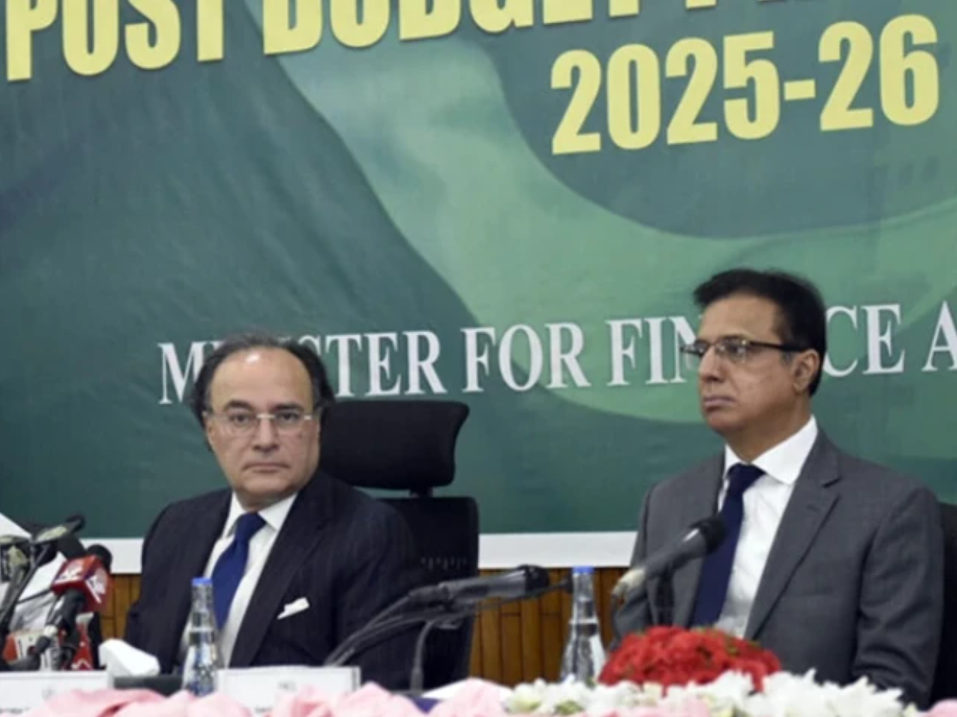
In a sweeping post-budget announcement, Finance Minister Muhammad Aurangzeb unveiled a landmark tariff reform, eliminating additional customs duties on 4,000 tariff lines and reducing duties on another 2,700. The move, described as a historic structural shift, is aimed at fostering industrial expansion and boosting exports by lowering input costs.
“This is a major reform—something that hasn’t been attempted in the last 30 years,” Aurangzeb said during a press briefing on Wednesday. He emphasized that the rationalisation of tariffs is a key step toward integrating Pakistan more effectively into global trade networks.
Industrial Competitiveness at the Core
The tariff overhaul primarily targets raw materials and intermediary goods, especially those tied to export sectors. According to Aurangzeb, nearly 2,000 of the affected tariff lines are directly linked to inputs used by Pakistan’s industrial base. The intention is clear: reduce reliance on import substitution, enhance competitiveness, and break the recurring cycle of dollar shortages triggered by periodic growth spurts.
“If we are serious about shifting to an export-led growth model, we must fundamentally alter the DNA of our economy,” he said.
Focus on Key Sectors and Broader Fiscal Relief
Beyond trade reform, the budget also includes fiscal measures intended to balance growth with social equity. Relief measures have been introduced for salaried individuals and mid-sized businesses. While limited by fiscal space, the government has tried to optimise relief by tweaking tax slabs and supporting key economic sectors, particularly construction and agriculture.
Aurangzeb also announced the launch of a new housing finance scheme in collaboration with the State Bank of Pakistan to improve mortgage access for low- and middle-income households.
Digital Economy, Informal Sector Under Scrutiny
In a push to formalise Pakistan’s vast informal economy, the government is rolling out a new e-commerce regulatory framework. Online businesses will now be required to register for a National Tax Number (NTN) and pay a nominal tax. This effort is part of a broader digitalisation strategy intended to expand the tax net and bring transparency to domestic commerce.
An 18% General Sales Tax (GST) has also been levied on solar power plant imports, intended to boost local solar panel manufacturing and support sustainability goals.
Revenue Growth and Global Financial Outlook
Aurangzeb highlighted improved revenue collection, noting that the government had secured an additional Rs400 billion this fiscal year through stricter tax enforcement. Pakistan’s tax-to-GDP ratio is projected to reach 10.4% this year and 10.9% by FY2025-26.
The finance minister also outlined plans to deepen engagement with global financial markets, including making a $500 million Eurobond repayment in September and launching Pakistan’s first Panda Bond issuance later this year.
Improving Pakistan’s credit rating remains a central goal, with aspirations to re-enter international bond markets by 2026.
Media Boycott Overshadows Briefing
Despite the significance of the announcements, the press conference was marred by a boycott from journalists protesting the lack of a technical budget briefing—a long-standing tradition. Journalists said the absence undermined transparency and access to crucial budget details. Following the protest, Aurangzeb directed officials to engage with the media and address their concerns.