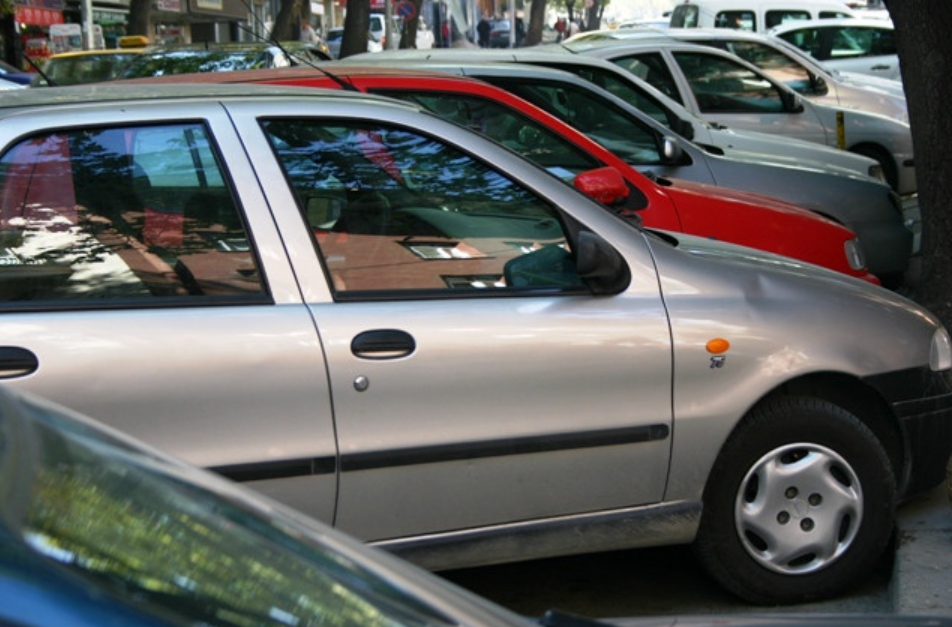

Passenger car sales in Pakistan surged by 32.1% during the first 11 months of the current fiscal year, reaching 94,388 units compared to the same period last year. The boost is attributed to a combination of factors including falling interest rates, strong Eid-related demand, anticipated vehicle price hikes ahead of the federal budget 2025–26, and improved market sentiment.
According to data from the Pakistan Automotive Manufacturers Association (PAMA), vehicle sales rose across all segments — two-wheelers, three-wheelers, and four-wheelers — with the notable exception of farm tractors, which saw a steep decline.
Sales of jeeps and pickups jumped by 66% to 31,706 units, while trucks and buses witnessed significant growth of 95.7% and 73.3%, reaching 3,776 and 719 units, respectively. Motorcycle and rickshaw sales rose 30% to over 1.37 million units. In contrast, tractor sales dropped by 36.8% to 26,401 units.
Automotive consultant Shafiq Ahmed Shaikh called the overall growth a positive sign for the industry, indicating it is regaining momentum. He highlighted four key reasons for the rise: attractive installment plans due to lower interest rates, speculation about post-budget price increases, a surge in demand around Eid holidays, and improved law and order along with supportive government measures.
“The auto sector has the potential to grow further, especially with upcoming competition from electric vehicles (EVs), which are seen as the future,” said Shaikh.
Auto analyst Mashood Khan echoed the optimism, noting that all segments except tractors performed well. He pointed out that motorcycles remain a resilient segment due to their affordability for the middle class.
However, the industry remains concerned about policy clarity, particularly regarding the tax treatment of hybrid and electric vehicles. MG Motors Pakistan GM Marketing Division Syed Asif Ahmed said there is uncertainty surrounding reports that the GST on Hybrid Electric Vehicles (HEVs) may rise from 8.5% to 18%, aligning it with the current rate on EVs.
“If this GST increase is confirmed, it could seriously impact the large-scale investments automakers have made in HEVs. The Finance Bill hasn’t addressed this issue, despite the AIDEP 2021–26’s assurance of no changes in tariffs until June 2026,” he said, urging the government to instead reduce EV GST to 8.5% to maintain a level playing field.
Ahmed also raised concerns over abuse of import schemes — including gift, baggage, and transfer of residence — for commercial purposes. He warned that allowing five-year-old used cars to enter the market under relaxed regulatory duties could undermine local auto manufacturers and distort fair competition.
The auto industry, while showing signs of robust recovery, now looks to the government for consistency and clarity in policy to ensure sustained growth and a smooth transition toward electrification.