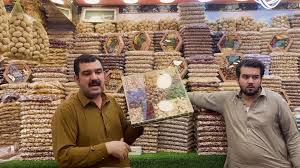

In Pakistan’s bustling bazaars, roadside stalls, and home-run boutiques, a quiet digital revolution is taking place—one that doesn’t follow traditional marketing rules, and yet, is rewriting them entirely. From a walnut seller in Peshawar to a street food vendor in Mardan, small business owners are discovering that in the age of smartphones and sincerity, one video is all it takes to transform a livelihood into a national story.
Take Gul Wali Khan, for example. A soft-spoken dry fruit vendor from Peshawar’s Karkhano Market, Wali became a household name after a TikTok clip of his unbreakable walnuts captured hearts across the country—and far beyond. What began as a simple video recorded by his nephew soon turned into a phenomenon. Fans flew in from across Europe. Tourists lined up for selfies. And Wali, once quietly tending to his stall, became the face of a new kind of success: viral by chance, famous by heart.
His story isn’t a fluke—it’s part of a growing pattern.
Across the country, digital platforms like TikTok, Instagram Reels, and YouTube Shorts have become equalizers in a business landscape long dominated by flashy ad budgets and corporate storytelling. For the likes of Jalil Sweets in Mardan, all it took was a viral clip of ‘Baba Ji’ theatrically tossing gulab jamuns, and decades of word-of-mouth reputation were amplified overnight. Fans now come not just for the sweets, but for the joy of seeing Baba Ji in action—a performance steeped in tradition, elevated by charm, and captured with nothing more than a phone camera.
Then there’s Atia Zuhair, who revived her family’s clothing brand, Kachay Dhagay, not with a launch event, but with honest, handheld videos about fabric choices and self-doubt. Her soft-spoken authenticity resonated deeply. She didn’t just gain customers—she built a community. In a society where professional visibility remains a challenge for many women, Atia’s story shows how digital tools are enabling new forms of empowerment, without compromising personal values.
Even street food is getting its moment. In Mardan, Umer Nawab, better known online as Pehlwan Kachalu, serves up spicy potatoes with flair and friendliness. His secret? A warm voice, fast hands, and one simple message: this is who I am. That kind of unfiltered sincerity is what keeps viewers coming back—and often traveling miles to taste the dish themselves.
The Rise of Authentic Influence
Unlike traditional marketing, these success stories don’t rely on scripts or studios. They rely on something rarer: truth. In these unscripted moments—when a vendor smiles mid-sale, or a business owner shares a quiet triumph—viewers aren’t just entertained, they’re invited in.
Pakistan’s digital infrastructure is helping fuel this wave. With over 143 million 3G/4G users and mobile penetration crossing 58%, access is no longer the barrier it once was. And while corporate brands pour millions into polished social media strategies, these everyday entrepreneurs are proving that raw beats refined—when it’s real.
In 2023, Pakistani businesses spent around $10.5 million on TikTok ads, signaling the platform’s growing relevance. But some of the most powerful moments online have cost nothing—except a little vulnerability.
Why It Works
As social media strategist Ibtisam Ahmed puts it, “Big brands pay to be seen. These people are seen because they’re real.” Whether it’s a halwa maker juggling sweets or a woman narrating her entrepreneurial journey from home, the content that sticks is often the content that wasn’t trying to sell anything—it was just trying to share something.
That’s the key: connection, not conversion. When a video goes viral, it’s not just because it’s funny or impressive. It’s because people recognize a part of themselves in it—an uncle’s voice, a mother’s resilience, a neighbor’s hustle.
And that’s what makes this shift so powerful. These are not influencers in the conventional sense. They’re relatable humans, creating content as an extension of their everyday lives. What they offer is not just a product, but a story—and audiences, tired of corporate gloss, are showing up for it in droves.
Still Just the Beginning
As Gul Wali weighs another order and fans film his famous walnut challenge once more, he remains grounded. He doesn’t chase virality. He doesn’t manage his social media. He just shows up, every day, with the same honesty that made him beloved in the first place.
The digital spotlight may be fickle, but sincerity, it seems, has staying power. And in today’s Pakistan, that might just be the most powerful brand strategy of all.
Bottom Line:
From dry fruit counters to fabric shops to roadside snacks, Pakistan’s small businesses are crafting a new era of growth—powered not by ad agencies or algorithms, but by authenticity, heart, and the human need to connect.