
The escalating conflict between Iran and Israel entered its fourth consecutive day on Monday, with both sides intensifying deadly attacks and civilian casualties mounting. In the latest wave of violence, the Israeli military claimed it had destroyed one-third of Iran’s surface-to-surface missile launchers and established full air superiority over Tehran. Israeli airstrikes spanned from Iran’s western borders near Iraq to major cities including Mashhad and the capital Tehran. Key Quds Force command centres were reportedly targeted.
Israel later issued an evacuation order for Tehran’s District 3, signaling imminent operations against Iranian military infrastructure. Iran, in turn, struck back, targeting security installations and residences of military leaders and scientists in Israel. Iranian Armed Forces spokesperson Reza Sayyad vowed a “devastating response,” while the Revolutionary Guards warned of continued strikes on vital Israeli sites.
Mounting Death Toll and Damage
The Israeli Prime Minister’s Office reported that Iran had launched 370 ballistic missiles and hundreds of drones over the four-day escalation. As of Monday, 24 people had been killed in Israel, with nearly 600 injured, 10 critically. In Iran, over 224 people, including 70 women and children, have died in Israeli strikes, with Al Jazeera confirming the deaths of senior IRGC officials and nuclear scientists.
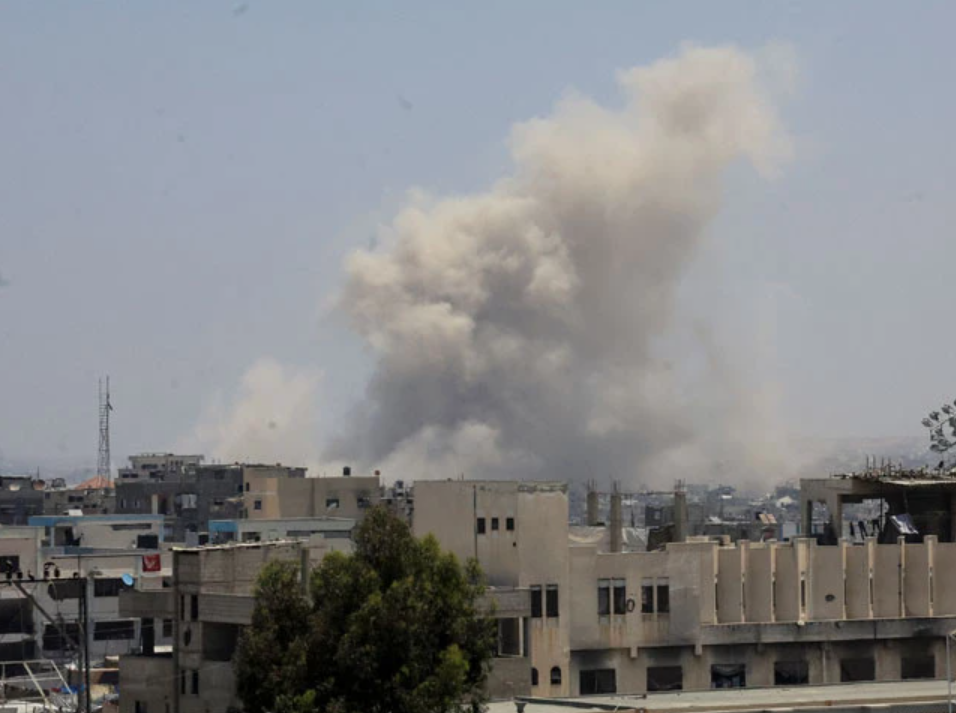
Residential areas in both countries have been hit. Israel has accused Iran of deliberately targeting civilians, while Iran blames Israel for civilian deaths due to bombings in Tehran. Fires and extensive damage were reported in Tel Aviv, Haifa, and other cities. The U.S. Embassy in Tel Aviv sustained minor damage from nearby blasts, prompting its temporary closure.
Tehran Weighs Nuclear Non-Proliferation Treaty Exit
Iran’s parliament is preparing legislation that may lead to its withdrawal from the Nuclear Non-Proliferation Treaty (NPT), according to the foreign ministry. Though Tehran insists it does not seek nuclear weapons, officials say the move is under consideration due to recent developments. The NPT, which Iran joined in 1970, commits signatories to peaceful nuclear development and IAEA oversight.
Haifa Under Fire
Iranian missiles struck Tel Aviv and Haifa in a predawn attack Monday, killing at least eight and injuring dozens. Fires broke out at a power plant near Haifa’s port, while residential and commercial areas—including popular markets and bars in Tel Aviv—sustained significant damage.
The IRGC claimed it used a new tactic that disrupted Israel’s missile defense systems, though Israeli officials did not confirm the assertion. Defence Minister Israel Katz condemned the attacks, warning that Iranian civilians would soon bear the consequences.
Diplomatic Efforts and Global Response
Despite growing international concern, diplomatic solutions appear distant. Iran has refused ceasefire negotiations while under attack, informing mediators from Qatar and Oman that talks could only resume after its retaliation is complete. Foreign Minister Abbas Araghchi reiterated that Iran would only halt strikes if Israel ceased its operations.
U.S. President Donald Trump called for a deal while reaffirming support for Israel and denying U.S. involvement in Israeli military operations. Two U.S. officials said Trump vetoed an Israeli plan to assassinate Iran’s Supreme Leader Ayatollah Ali Khamenei. Meanwhile, the U.S. military reportedly helped intercept Iranian missiles headed toward Israel.
G7 leaders convened in Canada with the conflict dominating their agenda. German Chancellor Friedrich Merz emphasized preventing Iranian nuclear armament and preserving Israel’s right to self-defense. Oil markets responded with a modest spike, while equities remained relatively stable.
Mutual Warnings and Fresh Strikes
Both sides have issued stark warnings to civilians. Iran urged Israelis to evacuate the occupied territories, while Israel told Iranians to stay clear of military sites. A new wave of Iranian ballistic missiles—part of an operation dubbed “True Promise 3”—triggered widespread alarms across Israel. Explosions were reported in Jerusalem, with fires breaking out around Haifa.
The IRGC claimed to have breached Israeli defenses in the latest salvo, resulting in at least 14 deaths. Rescue operations continued in affected areas, including in Haifa and Petah Tikva.
Israel’s Operation Rising Lion
The conflict began with Israel’s surprise offensive, “Operation Rising Lion,” launched on June 13. The operation targeted Iran’s military leadership, nuclear program, and missile production. Iran’s intelligence chief and senior generals were among those killed. In response, Iran unleashed a barrage of missiles and drones, marking the most intense direct confrontation between the two countries in history.
President Masoud Pezeshkian addressed parliament on Monday, insisting Iran had no intention of pursuing nuclear weapons but would uphold its right to peaceful nuclear research.
Foreign Minister Araghchi accused Israel of trying to provoke wider regional war and sabotage Iran-U.S. nuclear talks. He warned against the expansion of the conflict into the Persian Gulf.
Outlook
As strikes continue on both sides and diplomatic efforts stall, the likelihood of a broader regional war grows. Israel remains determined to dismantle Iranian capabilities, while Iran vows to continue its retaliation until the Israeli assault ends. The world watches with alarm as the Middle East teeters on the edge of a full-scale conflict.