As deadly exchanges between Israel and Iran enter a sixth day, the international community scrambles for de-escalation.
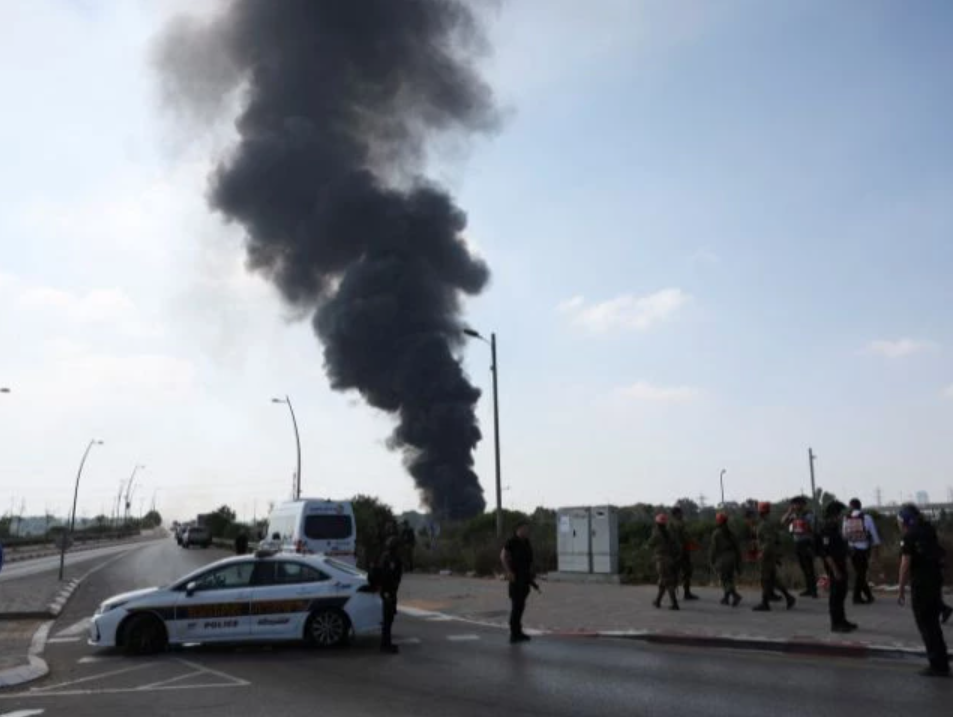
Amid the most intense military confrontation in their history, Israel and Iran continue to exchange large-scale strikes, drawing global concern and urgent calls for restraint. Over 220 Iranians—mostly civilians—and at least 24 Israeli citizens have been killed since Israel launched “Operation Rising Lion” on June 13, targeting Iran’s military leadership and nuclear facilities.
In response to the escalating hostilities, 20 Muslim-majority nations, including Pakistan, Saudi Arabia, Türkiye, Egypt, and the UAE, issued a joint statement condemning Israel’s actions as a violation of international law and the UN Charter. The statement emphasized the urgent need for a ceasefire, diplomatic dialogue, and respect for national sovereignty.
“The recent Israeli aggression against Iran poses a serious threat to the peace and stability of the entire region,” the foreign ministers declared, advocating for a Middle East zone free of nuclear weapons and renewed commitment to the Nuclear Non-Proliferation Treaty (NPT). The statement also warned against targeting nuclear facilities under International Atomic Energy Agency (IAEA) oversight, citing humanitarian and legal violations.
G7 Pushes for Calm as Trump Warns Tehran
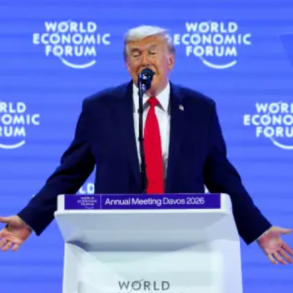
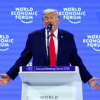
Simultaneously, the Group of Seven (G7) nations issued a unified call for de-escalation across the Middle East, including a ceasefire in Gaza. The statement—modified to reflect US concerns—was endorsed after President Donald Trump’s initial hesitation. Shortly afterward, Trump abruptly left the G7 summit in Canada, warning Iranians to “evacuate Tehran” and citing a failed nuclear deal with Iran.
“Iran should have signed the ‘deal’ I told them to sign. What a shame, and waste of human life,” Trump posted on Truth Social. “Everyone should immediately evacuate Tehran!”
Despite his dramatic departure, Trump denied that he was returning to Washington to pursue a ceasefire, contradicting French President Emmanuel Macron’s claim that the U.S. had proposed one. Macron nevertheless expressed optimism, saying, “There is indeed an offer to meet and exchange… to kick-start broader discussions.”
European diplomats revealed that Iran had appealed to Oman, Qatar, and Saudi Arabia to urge the U.S. to rein in Israeli Prime Minister Benjamin Netanyahu. Iran’s Foreign Minister Abbas Araqchi insisted any diplomatic progress hinged on halting Israeli aggression. “It takes one phone call from Washington to muzzle someone like Netanyahu,” he said on X (formerly Twitter).
Escalation on All Fronts
Israel’s initial strikes on June 13 reportedly eliminated nearly all of Iran’s top military commanders and leading nuclear scientists. Iranian retaliations have included over 400 ballistic missiles and hundreds of drones fired at Israeli targets. Iran’s Revolutionary Guards claimed to have struck Israel’s military intelligence and Mossad operations—though Israel has not confirmed this.
Meanwhile, the IAEA has confirmed damage to Iran’s Natanz nuclear facility but reported no change at Fordow and Isfahan. Israel, which is not an NPT signatory and is widely believed to possess nuclear weapons, continues to assert that Iran was on the brink of acquiring a nuclear weapon—an accusation Tehran denies.
Israeli Defence Minister Israel Katz warned Iran’s Supreme Leader Ayatollah Ali Khamenei could face the same fate as Saddam Hussein. “I warn the Iranian dictator against continuing to commit war crimes,” he said. Khamenei, who has lost key advisers to Israeli strikes, now faces heightened internal instability and risk of miscalculation, sources close to Iran’s leadership told Reuters.
Global Economic Risks
The conflict has rattled global oil markets. A collision between two oil tankers near the Strait of Hormuz—amid electronic interference—underscored fears of regional instability affecting supply lines. About 20% of the world’s oil passes through the waterway.
Iran’s South Pars gas field, shared with Qatar, also suffered a temporary shutdown following an Israeli strike and fire. Qatar’s foreign ministry labeled the attack “uncalculated” and warned of its implications for global energy supplies.
Diplomatic Overtures Amid Rising Tensions
Despite the turmoil, diplomatic efforts persist. The European trio of France, Britain, and Germany—signatories to the 2015 nuclear accord—urged Iran to return to talks with the U.S. They warned of further UN Security Council actions if Iran failed to re-engage.
Iran maintains it has not abandoned diplomacy but stressed its priority remains defense. “Iran has never left the negotiating table,” said Foreign Minister Araqchi, “but our focus at this stage is to effectively confront aggression.”
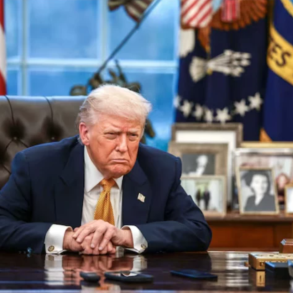
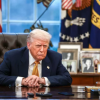
Washington, for its part, has not ruled out sending high-level officials, such as Middle East Envoy Steve Witkoff or Vice President JD Vance, to meet Iranian leaders. President Trump insists he seeks a “real end” to the nuclear dispute but continues to stand firm: “Simply stated, IRAN CAN NOT HAVE A NUCLEAR WEAPON.”
As world leaders maneuver to prevent full-scale regional war, the fate of diplomacy—and of millions across the Middle East—hangs in the balance.