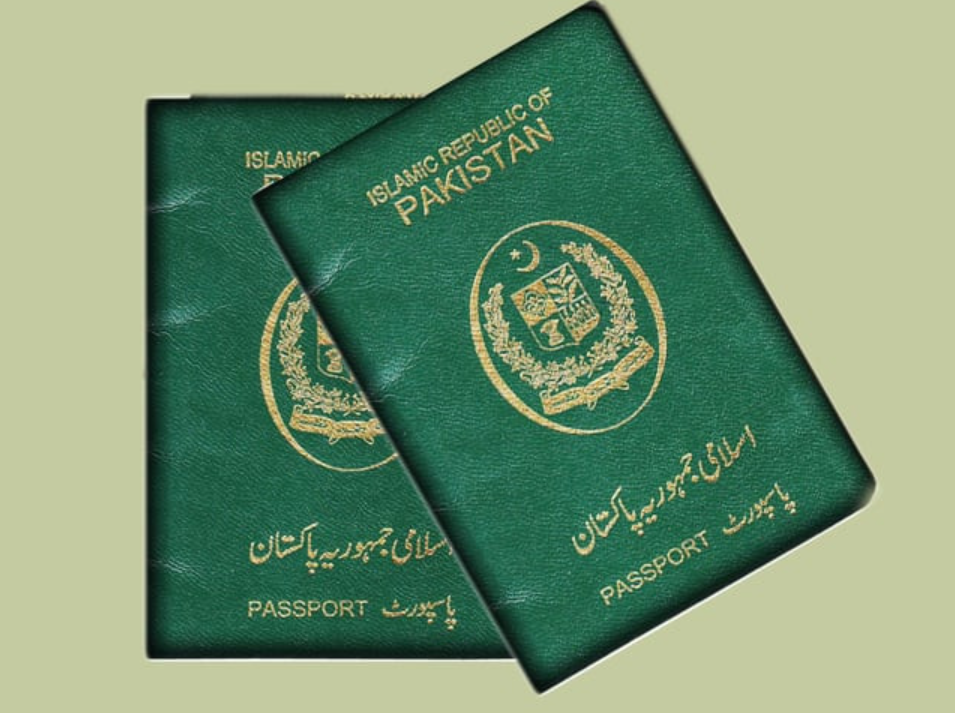

Pakistan’s green passport has witnessed a significant upward shift in global mobility, reflecting the country’s improving diplomatic footprint and expanding international cooperation. According to the latest rankings released by Henley & Partners, Pakistan now stands at 100th position on the global passport index—an improvement from its 113th ranking in 2021.
This gain, though modest in absolute terms, is symbolically important for Pakistan, whose passport has long ranked near the bottom of global mobility indexes. The current status allows Pakistani citizens visa-free or visa-on-arrival access to 32 countries, opening new avenues for travel, business, and diplomatic engagement.
The timing of the ranking improvement aligns with Pakistan’s renewed efforts to build stronger bilateral relations, most notably with the United Arab Emirates. A recent agreement between Islamabad and Abu Dhabi eliminates pre-travel visa requirements for holders of diplomatic and official passports from both countries. This reciprocal arrangement was formalized during the 12th session of the Pakistan-UAE Joint Ministerial Commission (JMC).
Deputy Prime Minister and Foreign Minister Ishaq Dar, who signed the agreement with UAE Foreign Minister Sheikh Abdullah bin Zayed Al-Nahyan, hailed it as a step toward deepening fraternal relations and enhancing institutional cooperation. In a social media post, Dar described the development as a reflection of the “shared resolve” to broaden bilateral engagement.
While the agreement directly benefits officials and diplomats, it signals a broader trend of improving trust and cooperation between Pakistan and its key partners. The growing list of countries offering Pakistani passport holders relaxed travel access is both a diplomatic win and a practical step forward for global mobility.
Final Assessment:
The recent upward movement in Pakistan’s passport ranking represents more than a numerical improvement. It marks an incremental but important shift in Pakistan’s global standing, helped by targeted diplomatic initiatives like the UAE agreement. While much ground remains to be covered—especially in enhancing access for ordinary citizens—the development is a positive indicator of Pakistan’s evolving international posture.