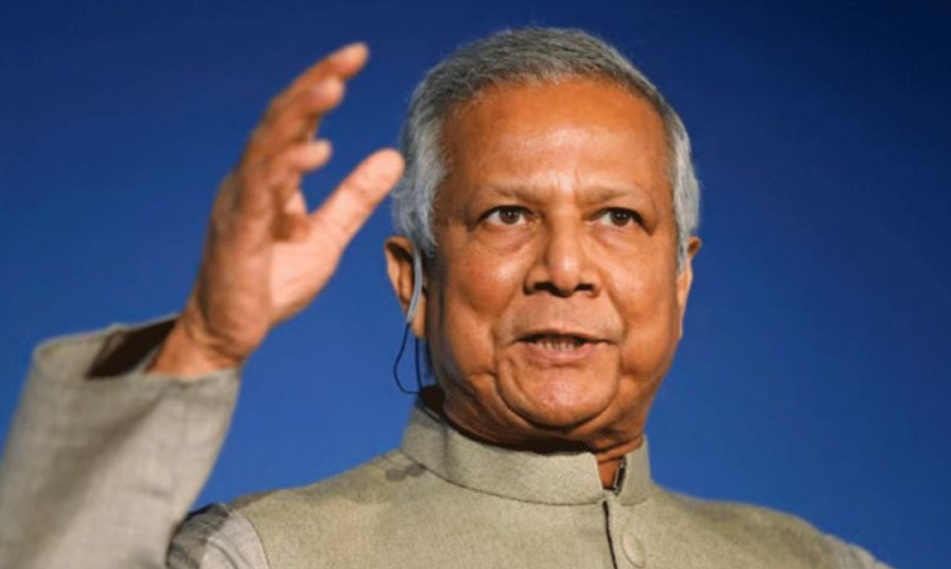

Dhaka: Bangladesh’s interim leader, Nobel Peace Prize laureate Muhammad Yunus, has reportedly threatened to step down from his role as head of the caretaker government unless he receives firm backing from the country’s political parties, according to a close ally and sources within his office.
Yunus, 84, assumed leadership in the wake of a mass uprising in August 2024 that led to the ousting of former Prime Minister Sheikh Hasina. However, the South Asian nation, home to around 170 million people, remains mired in political instability. Tensions have flared anew this week as rival parties took to the streets of Dhaka with competing demands, raising fears of a broader crisis.
An official from Yunus’s office revealed that he expressed his desire to resign during a recent cabinet meeting, frustrated by the lack of political consensus. “He wanted to submit his resignation, but cabinet members convinced him to stay,” the source told AFP.
Nahid Islam, head of the newly formed National Citizen Party (NCP)—composed largely of student activists who played a key role in last year’s uprising—met with Yunus on Thursday to discuss the volatile political landscape. “They talked about the current situation, and the chief advisor said he is reassessing whether he can continue under these circumstances,” said NCP senior leader Ariful Islam Adeeb.
Interestingly, Islam had initially served in Yunus’s cabinet before resigning to form the NCP. Despite the challenges, he urged Yunus to remain in office and guide the country through its transitional phase.
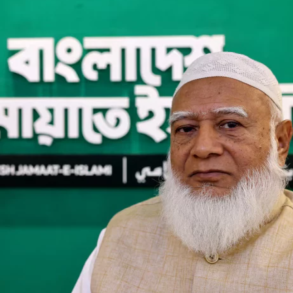
Meanwhile, Jamaat-e-Islami, the largest Islamist party in Bangladesh, also weighed in. Its leader, Shafiqur Rahman, has called for an all-party conference to defuse the mounting tension and find a path forward.
Yunus’s warning comes just a day after tens of thousands of supporters from the Bangladesh Nationalist Party (BNP) took to the streets of Dhaka. The protests, the first major demonstrations against the interim government, signaled growing frustration with the slow pace of political transition.
Yunus has pledged to hold elections by June 2026 at the latest. But the BNP, considered a strong contender in the upcoming vote, is demanding a fixed election date to ensure transparency and public trust. “If the government fails to meet public expectations, it will be difficult for the BNP to continue offering its support,” senior BNP leader Khandakar Mosharraf Hossain warned on Thursday.
As political pressure mounts and the caretaker administration finds itself increasingly isolated, Yunus’s future—and that of Bangladesh’s fragile transition—remains uncertain.