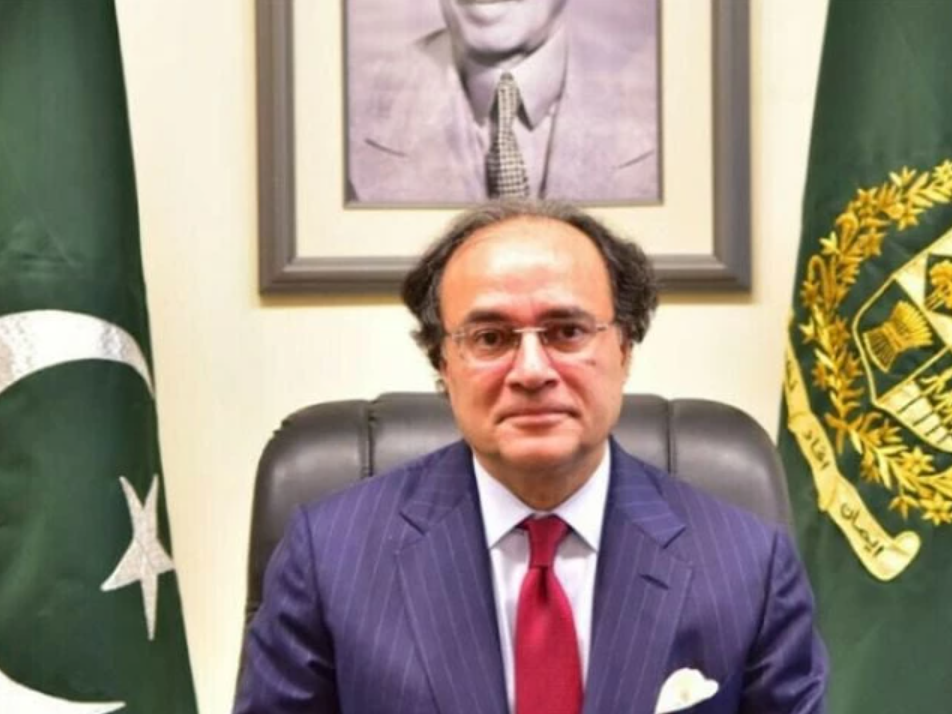
$1.9B Surplus, Energy Reforms, SOE Privatisation Drive Signal Fiscal Recovery
Presenting the Economic Survey for FY2024–25 on Monday, Finance Minister Muhammad Aurangzeb stated that Pakistan’s economy is showing signs of stabilization, driven by structural reforms across fiscal, monetary, and governance sectors. He described FY2026 as a potential “turnaround year” for the country.
Aurangzeb said the government had reversed a previously unsustainable economic path by implementing reforms in taxation, debt management, and energy. In particular, he underscored improvements in the power sector, where the induction of private-sector professionals onto the boards of distribution companies led to what he called “remarkable recoveries,” despite ongoing system losses.
Fiscal Gains and Debt Management
The minister credited a sharp reduction in the policy rate for easing debt servicing costs, which he estimated saved the government Rs800 billion this fiscal year. Total savings reached nearly Rs1 trillion. However, he stressed that debt servicing remains Pakistan’s largest single expenditure.
As part of efforts to curb public sector losses, Aurangzeb announced that 24 state-owned enterprises (SOEs) are slated for privatization in the next fiscal year. “We’ve stopped the bleeding,” he declared, referring to the estimated Rs800 billion annual losses from inefficient SOEs.
External Account and Investment Climate
The external sector recorded a $1.9 billion surplus from July to April FY25, largely due to strong growth in IT exports. Remittances are projected to rise to $37–38 billion by year-end, up significantly from $27 billion just two years ago. “We’re no longer desperate borrowers,” the finance minister remarked.
As of May 27, Pakistan’s foreign exchange reserves stood at $16.64 billion, with the State Bank holding $11.5 billion and commercial banks $5.14 billion. Aurangzeb highlighted Fitch Ratings’ upgrade of Pakistan’s sovereign rating from CCC+ to B–, with a stable outlook.
He attributed the improved investor sentiment to better macroeconomic indicators and enhanced revenue mobilization, including a doubling in individual tax filers. The government also repaid Rs2.4 trillion in treasury bills during FY25 and raised Rs610 billion through a new two-year zero-coupon bond, extending the average maturity of domestic debt from 2.9 to 3.5 years.
The KSE-100 index rose by 50% over the fiscal year, gaining 78,000 points—an indicator of revived investor confidence, according to the minister.
Sectoral Performance
Aurangzeb presented a mixed performance across key sectors:
- Agriculture grew by only 0.56%, largely due to reduced output in major crops, although rice exports improved. He cited inadequate storage, poor financing for farmers, and reliance on middlemen as persistent issues.
- The construction sector grew 6.6%, services rose 2.9%, and large-scale manufacturing (LSM) showed tentative recovery. While LSM grew 1.8% year-on-year in March 2025, it declined 4.6% month-on-month.
Electricity generation capacity reached 46,605 MW, with thermal sources accounting for 55.7% and hydropower for 24.4%. Total consumption was 80,111 GWh, nearly half of which came from the residential sector. However, capacity payments of Rs2.5–2.8 trillion annually continue to strain consumers, as many idle plants produce no power.
Petroleum consumption rose 7% during July–March FY25, with the transport sector using 80% of total demand.
Climate and Social Initiatives
Aurangzeb outlined key climate measures, including:
- Launch of the Recharge Pakistan Project with $77 million in funding
- Introduction of the Carbon Market Policy at COP29
- Implementation of Climate Budget Tagging across over 5,000 federal cost centers
He confirmed IMF approval of an additional $1.4 billion under the Resilience and Sustainability Facility (RSF), alongside progress under the Extended Fund Facility (EFF).
On the social front, the Benazir Income Support Programme (BISP) disbursed Rs593 billion in FY25 to aid low-income households.
Looking Ahead
“We need to first stop the bleeding and then address legacy issues,” Aurangzeb emphasized, reaffirming the government’s commitment to sustained reforms and growth-oriented policies in the upcoming fiscal year.