World Leaders Urge Restraint Amid Fears of Regional Escalation
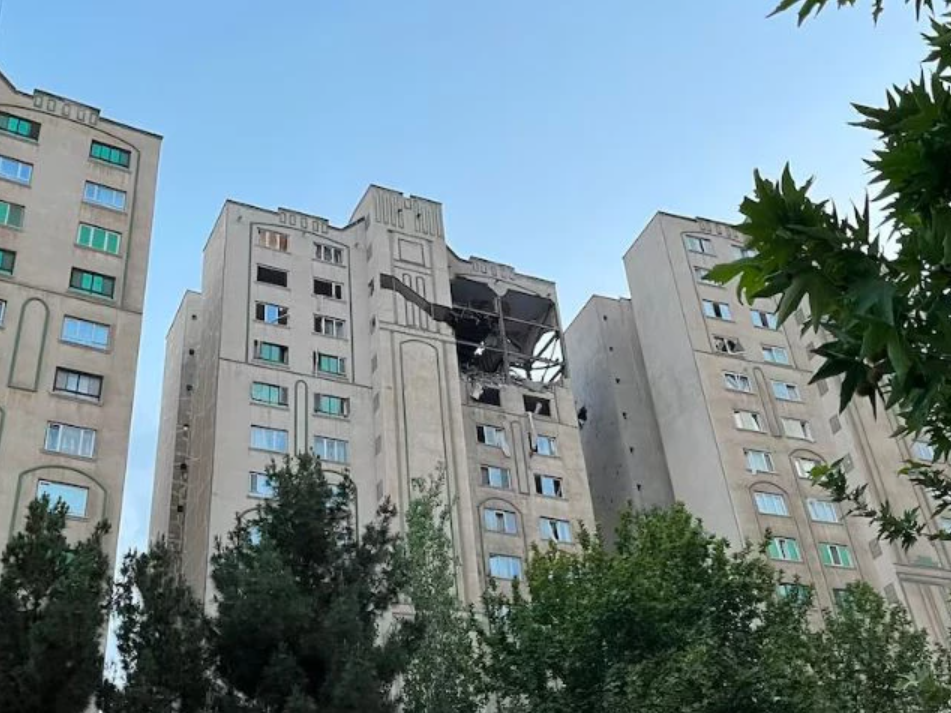
Israel launched a series of deadly airstrikes on Iran early Friday, claiming to target nuclear sites and facilities allegedly linked to Tehran’s atomic weapons program. The move, which reportedly killed six Iranian nuclear scientists, has sparked global alarm and prompted calls for restraint to prevent further escalation in the Middle East.
Israeli Prime Minister Benjamin Netanyahu defended the operation, stating it aimed to neutralize Iranian scientists and missile factories. The attack was described as the beginning of a multi-day operation. Israel, widely believed to be the only nuclear-armed state in the region, has since declared a state of emergency, bracing for possible Iranian retaliation.
Global Responses:
United States – President Donald Trump
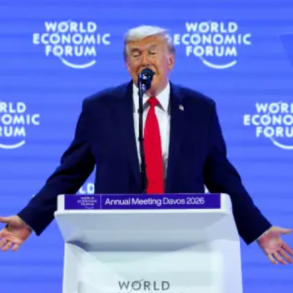
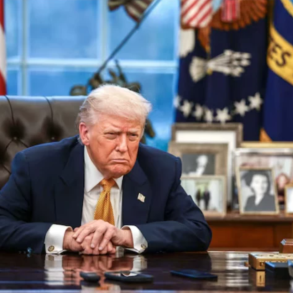
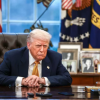
President Trump referenced a prior ultimatum to Iran, saying, “Two months ago, I gave Iran 60 days to make a deal. Today is day 61. They didn’t take the opportunity.” He added, “Iran cannot have a nuclear bomb, and we’re hopeful diplomacy can resume.”
Pakistan
Prime Minister Shehbaz Sharif condemned the strikes as “unprovoked and highly irresponsible,” expressing solidarity with Iran and warning of further destabilization. The Foreign Office called the attack a violation of international law, asserting Iran’s right to self-defense under the UN Charter.
US Secretary of State Marco Rubio
Rubio clarified that the U.S. was not involved in the operation, stating, “Our top priority is the protection of American forces in the region. Iran must not target U.S. interests or personnel.”
United Kingdom – Priti Patel, Shadow Foreign Secretary
Patel urged for de-escalation, emphasizing the need for diplomacy to ensure stability in a region already fraught with risk.
China
China’s Foreign Ministry expressed “deep concern” over the situation, warning that escalation served no one’s interest. Spokesperson Lin Jian emphasized China’s readiness to mediate and help de-escalate tensions.
Saudi Arabia
Riyadh strongly condemned Israel’s “heinous” attack, calling it a flagrant violation of Iranian sovereignty and international law. The kingdom urged the UN Security Council to act immediately.
Russia
The Kremlin labeled the attack a “dramatic escalation,” with President Vladimir Putin receiving real-time updates. A detailed statement will be submitted to the United Nations, said spokesman Dmitry Peskov.
United Nations
UN Secretary-General Antonio Guterres called for “maximum restraint,” expressing grave concern over attacks on nuclear facilities while diplomacy between the U.S. and Iran was ongoing.
Qatar
Qatar denounced the assault as a “blatant violation” of Iranian sovereignty, warning of serious consequences and urging dialogue to prevent further instability.
United Arab Emirates
The UAE expressed “deep concern” and called for restraint, reaffirming its commitment to peaceful conflict resolution and respect for international law.
NATO – Secretary General Mart Rutte
Rutte labeled Israel’s action as “unilateral” and stressed that de-escalation must be the priority for all NATO members and allies.
Iraq
Baghdad condemned Israel’s aggression as a violation of international law and a threat to global peace and security.
Jordan
Jordan, after closing its airspace, reaffirmed it would not allow its territory to be used in any military operations or conflicts.
Yemen
Houthi rebels voiced support for Iran’s “full and legitimate right” to develop its nuclear program and condemned Israel’s actions, endorsing Tehran’s right to retaliate.
Oman
Oman urged the global community to adopt a firm stance against what it termed a dangerous development that undermines diplomatic solutions.
Czech Republic
Czech Foreign Minister Jan Lipavsky described Israel’s action as a “reasonable response” given Iran’s support for groups like Hezbollah and Hamas and its nuclear ambitions.
European Union – Kaja Kallas, Foreign Policy Chief
Kallas urged restraint and reaffirmed support for diplomacy as the best path to avoid further conflict.
France
French Foreign Minister Jean-Noel Barrot echoed calls for restraint while affirming Israel’s right to self-defense and reiterating concerns over Iran’s nuclear program.
Australia – Foreign Minister Penny Wong
Wong called the developments alarming, warning of regional destabilization. She stressed the need for diplomacy over confrontation.
New Zealand – Prime Minister Christopher Luxon
Luxon termed the Israeli strike “a deeply unwelcome development,” cautioning against further military action in an already volatile region.
Japan
Chief Cabinet Secretary Yoshimasa Hayashi said Japan is making every diplomatic effort to prevent further deterioration and ensure the safety of its citizens.
International Atomic Energy Agency (IAEA)
The IAEA confirmed that Iran’s Natanz nuclear site was among the targets and said it is in contact with Iranian authorities to assess radiation risks and the status of its inspectors.
The global chorus urging restraint highlights growing concern over the risks of a broader regional conflict. As tensions mount, the focus remains on diplomatic efforts to prevent the Middle East from spiraling into a wider war.