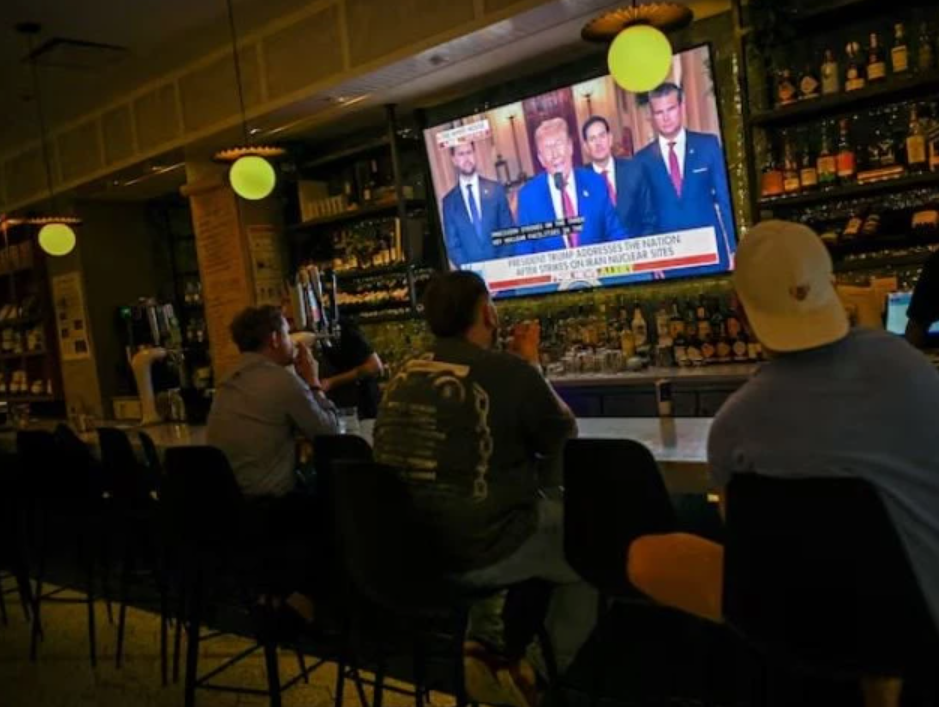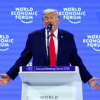
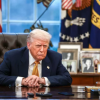
The U.S. airstrikes on Iran’s nuclear installations have triggered a wave of international responses — from condemnation and calls for diplomacy to praise from close allies. The strikes, carried out in coordination with Israel, mark a sharp escalation in regional tensions.
Tehran’s Response:
Iran condemned the strikes as a “heinous crime,” accusing the U.S. and Israel of violating international law and the UN Charter. Iranian officials warned of severe consequences and reaffirmed their right to self-defence under the UN Charter. The Iranian Foreign Ministry stressed that the attack undermined diplomacy and could plunge the world into chaos if the international community remains silent.
Pakistan:
Pakistan strongly denounced the U.S. strikes, calling them a violation of international law. Islamabad warned that the attacks could destabilise the Middle East further and urged restraint from all sides to prevent a wider conflict.
Israel:
Israeli Prime Minister Benjamin Netanyahu welcomed President Donald Trump’s decision, calling it a historic step to prevent Iran from acquiring nuclear weapons. Netanyahu hailed the strike as a turning point in global security efforts.
European Union:
European Commission President Ursula von der Leyen reiterated that Iran must never obtain a nuclear weapon. She urged Tehran to return to negotiations, saying diplomacy is the only viable path to resolving the crisis.
United Nations:
UN Secretary-General António Guterres expressed deep concern over the escalating violence, warning that the conflict risks spiralling out of control with catastrophic consequences. He appealed to all parties to de-escalate and abide by international law.
Russia:
Dmitry Medvedev, deputy chair of Russia’s Security Council, criticised Trump’s move, saying the U.S. president had abandoned his image as a peacemaker and instead launched a new war.
United Kingdom:
British Prime Minister Keir Starmer described Iran’s nuclear programme as a serious threat and supported U.S. efforts to address it. However, he called for restraint and urged Iran to pursue a diplomatic resolution.
France:
French Foreign Minister Jean-Noël Barrot reiterated Paris’s commitment to a negotiated solution within the framework of the Non-Proliferation Treaty.
Other Regional and Global Responses:
- The United Arab Emirates and Qatar voiced grave concern and called for an immediate halt to hostilities, warning of the risk of broader instability.
- Japan and Italy urged swift de-escalation and a return to diplomacy.
- New Zealand called for dialogue, stressing that military action is not a sustainable solution.
- Australia reiterated concerns about Iran’s nuclear ambitions but emphasised the need for de-escalation and diplomacy.
- Mexico, Venezuela, and Cuba condemned the U.S. strikes, describing them as acts of aggression that threaten international peace and security.
The international community remains divided as the Middle East teeters on the brink of deeper conflict. While some nations back the U.S. action as a measure to curb nuclear threats, many others warn of the dangerous precedent and humanitarian risks posed by further military escalation.