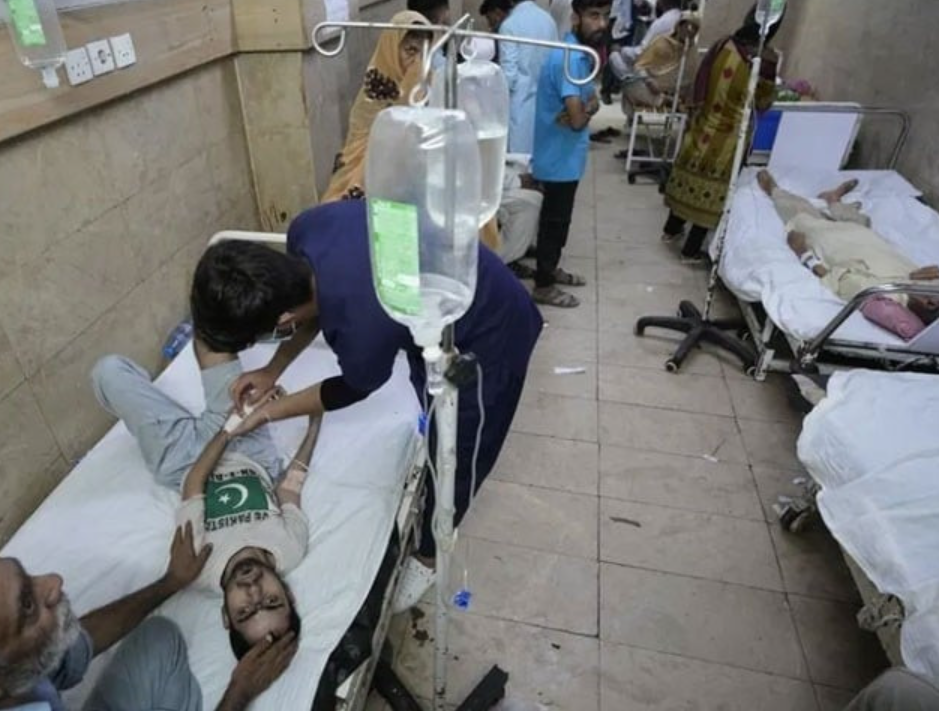
Elderly, children, and commuters most vulnerable amid ongoing heatwave
LAHORE: Hospitals across Punjab, including major cities such as Lahore, Faisalabad, Gujranwala, Rawalpindi, Narowal, and areas of South Punjab, are seeing a sharp increase in heatstroke cases as intense heat continues to grip the region. Over the past three days, hundreds of people suffering from heat-related illnesses have been admitted to medical facilities, with both emergency wards and outpatient departments overwhelmed by the influx.
Medical officials report that the relentless hot weather is pushing the healthcare system to its limits. Vulnerable groups—particularly the elderly, schoolchildren, and daily commuters, especially those traveling on motorbikes and in overcrowded public transport—are at the greatest risk.
Health experts are urging the public to remain indoors during peak afternoon hours and stay well-hydrated to avoid heatstroke. The current weather pattern is among the harshest phases of summer the region has faced, with Pakistan ranking as the fifth most climate change–vulnerable country globally.
In response to the escalating crisis, Punjab’s health authorities, following instructions from the Provincial Disaster Management Authority (PDMA), have issued alerts to all hospitals regarding the ongoing heatwave. Special preparations have been made in heat-prone areas, especially in South Punjab, which has historically recorded a high number of heatstroke cases during the summer months.
One such initiative includes the designation of Allama Iqbal Teaching Hospital in Dera Ghazi Khan as a Provincial Stroke Management Centre. A visit by Professor Qasim Bashir, Head of the Nephrology Department at the Services Institute of Medical Sciences, ensured that the facility received essential supplies, including emergency injections needed for heatstroke treatment.
Punjab Health Department spokesperson Sayed Hamad Raza confirmed that all teaching hospitals have completed specialized training for healthcare staff to manage heatstroke patients. He added that a sufficient supply of medicines has been distributed to facilities across the province.
Dr. Maqsood Ahmad Sheikh, former medical superintendent at Sir Ganga Ram Hospital, emphasized the seriousness of heatstroke, warning that extreme heat can elevate brain temperature and potentially cause brain damage. “Senior citizens and children are especially vulnerable,” he said. “People should avoid unnecessary outdoor activity and increase their intake of water and minerals.”
Meanwhile, the Meteorological Department has forecasted that the extreme heat will persist for another two to three days. In central and upper Punjab, daytime temperatures are expected to remain 5°C to 7°C above average, while South Punjab will experience temperatures 4°C to 6°C higher than normal.
With the situation growing more critical, authorities are calling for public cooperation and continued vigilance to minimize the health impacts of the ongoing heatwave.