GENEVA / TEHRAN – June 21, 2025:
As the Israel-Iran conflict enters its second week, Iranian Foreign Minister Abbas Araghchi arrived in Geneva for talks with European officials — but firmly ruled out a ceasefire while Israeli attacks continue. The discussions, involving ministers from France, Germany, and the UK, are part of Western efforts to de-escalate a crisis that threatens to spiral into regional war.
Tehran made it clear that Araghchi’s presence in Geneva is not for formal negotiations. Instead, the purpose is to hear the European perspective. “There will be no dialogue while Tel Aviv’s military aggression persists,” Iranian officials reiterated, while also leaving the door ajar for diplomacy “under appropriate conditions.”
Escalating Attacks and Civilian Casualties
The war, which erupted on June 13 with Israel’s pre-emptive strike on Iranian nuclear and military targets, has now claimed hundreds of lives. In a recent escalation, Israeli drones struck residential buildings in Tehran’s central Gisha district, while Iran reported five hospitals damaged by air raids over the past week.
Emergency services confirmed injuries and widespread destruction across multiple cities, including damage to vital infrastructure such as the Soroka Medical Center in Beersheva, Israel.
On Thursday night, Iranian missiles also targeted Israeli tech hubs, with one striking near a Microsoft facility in Beersheva, sparking fires and damage to nearby infrastructure. Though there were no immediate reports of casualties, the attacks mark a dramatic increase in hostilities.
Western Diplomacy Ramps Up
The European diplomatic push comes amid intensifying fears of a broader conflict. UK Foreign Minister David Lammy, alongside US Secretary of State Marco Rubio, warned that “the Middle East remains in a perilous state.” Lammy emphasized that a narrow diplomatic window remains open for de-escalation.
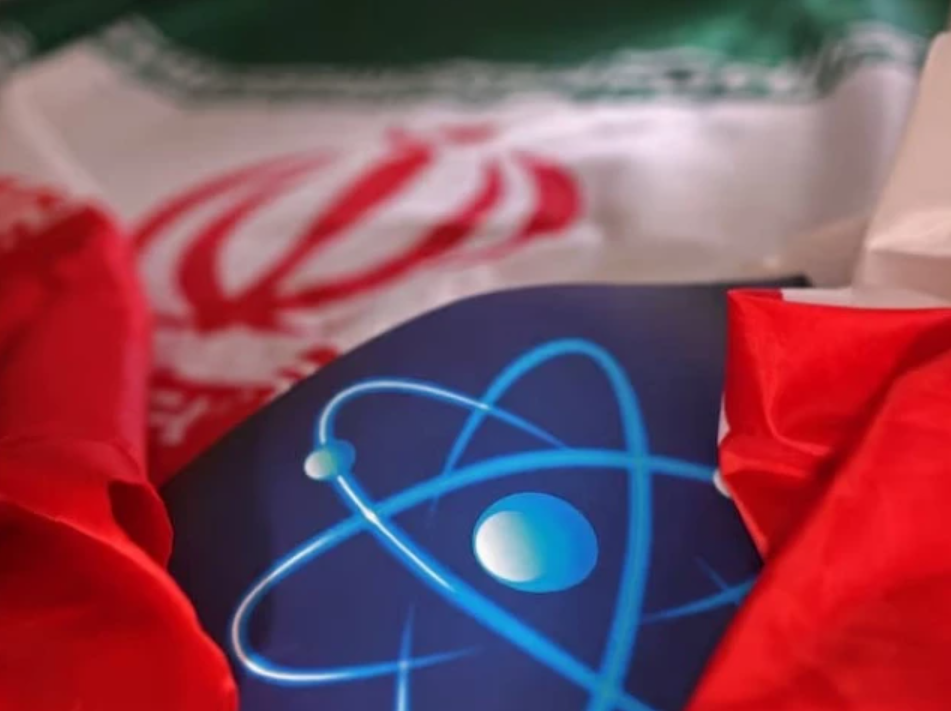
Rubio has been in talks with counterparts from Australia, France, Italy, and the UK, all of whom reaffirmed their joint position that “Iran must never acquire a nuclear weapon.” European leaders are pressing Tehran to return to dialogue, though Iran insists its nuclear program remains peaceful and within international bounds.
Trump Mulls US Involvement
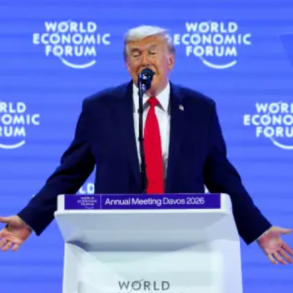
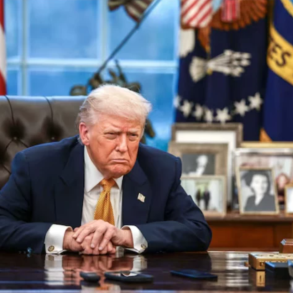
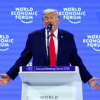
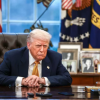
Meanwhile, US President Donald Trump said he would decide “within two weeks” whether the United States will join Israel’s military campaign. In a statement read by White House Press Secretary Karoline Leavitt, Trump cited a “substantial chance of negotiations” as reason for holding off immediate action.
However, Leavitt also warned that Iran is potentially just “weeks away” from producing a nuclear weapon, should Supreme Leader Ayatollah Khamenei give the order.
Trump’s decision is critical, as the US possesses the only bunker-busting bombs capable of destroying Iran’s underground Fordow enrichment facility. Though Trump campaigned on ending “forever wars,” he now faces pressure from Israeli leaders and some Republican allies to take action.
Netanyahu Hints at Regime Fallout
Israeli Prime Minister Benjamin Netanyahu, speaking to public broadcaster Kan, clarified that while regime change in Iran is not a stated goal, it could be a byproduct of continued strikes. “This is primarily a matter for the Iranian people,” he said. “But we have the capability to dismantle all of Iran’s nuclear infrastructure—regardless of US involvement.”
Netanyahu’s remarks drew a sharp response from Moscow. Kremlin spokesman Dmitry Peskov condemned any suggestion of regime change, calling it “completely unacceptable” and warning that an attempt to assassinate Khamenei would “open Pandora’s box.”
Military Operations Intensify
Israel’s “Operation Rising Lion,” launched June 13, has targeted key Iranian military and nuclear sites, killing senior officials, scientists, and hundreds of civilians, according to Iranian sources. In retaliation, Iran has launched more than 500 drones and missiles at Israeli sites, killing at least two dozen civilians, Israeli officials claim.
Iran insists its targets are military installations, but Israeli authorities accuse Tehran of deliberately hitting civilian areas using cluster munitions. These claims remain unverified, and Iran has not responded to accusations of using such weaponry.
The Path Ahead
With over 600 civilian deaths reported in Iran and dozens in Israel, both sides appear entrenched. Iran’s President Masoud Pezeshkian has vowed “a severe and powerful” response to any further Israeli attacks, while Netanyahu has pledged to press forward until Iranian regime capabilities are neutralized.
The conflict, layered atop the ongoing Gaza war, now risks igniting a broader regional confrontation. As the world watches, diplomats scramble in Geneva to prevent further escalation — but with no ceasefire in sight, and both Israel and Iran refusing to back down, the specter of full-scale war looms large.