
Tel Aviv, Tehran, June 17, 2025 — The escalating military confrontation between Israel and Iran has entered its sixth day, marked by intensifying missile strikes, targeted assassinations, and severe damage to critical infrastructure, including nuclear facilities and oil refineries. The conflict, the most direct and deadly between the two regional adversaries in decades, has left hundreds dead and thousands wounded across both nations.
Israel Assassinated Iran’s Top Military Commander—Twice
Israel confirmed the assassination of Iran’s Armed Forces Chief of Staff, General Ali Shadmani, in an airstrike on central Tehran. Shadmani, described as one of Supreme Leader Ayatollah Khamenei’s closest military advisers, was the second top Iranian military official to be killed in under a week. His predecessor, General Gholam Ali Rashid, was also eliminated in an earlier strike, highlighting Israel’s strategy of decapitating Iran’s military leadership.
The Israeli Defense Forces (IDF) said the strikes were part of “Operation Rising Lion,” a surprise campaign launched on June 13 that has so far killed numerous high-ranking Iranian officials and nuclear scientists.
Iran’s Retaliation: Missiles, Drones, and “Operation True Promise 3”
In response, Iran has launched “Operation True Promise 3,” firing hundreds of ballistic missiles and over 500 attack drones toward Israeli territory, according to Iranian military social media accounts. The Iranian Revolutionary Guard Corps (IRGC) claimed continuous attacks across “occupied territories” over the past 72 hours.
Several explosions were reported in Tel Aviv and Herzliya, with Israeli media confirming at least four direct hits, including to a “sensitive site” in Herzliya, which sustained heavy damage. No immediate casualties were confirmed, but media censorship has restricted further details.
Tehran, Tabriz, and the Golan Heights Hit
Explosions have also rocked Iranian cities. Smoke was seen rising over Tabriz following a blast, while Iran’s air defenses were activated in Natanz and other regions. Meanwhile, Iranian missiles damaged Israel’s Bazan oil refinery in Haifa, forcing a complete shutdown of the facility. Three people were killed in the strike, and restoration efforts are underway with the help of Israel’s electric utility.
Israeli Strike Hits Underground Natanz Nuclear Facility
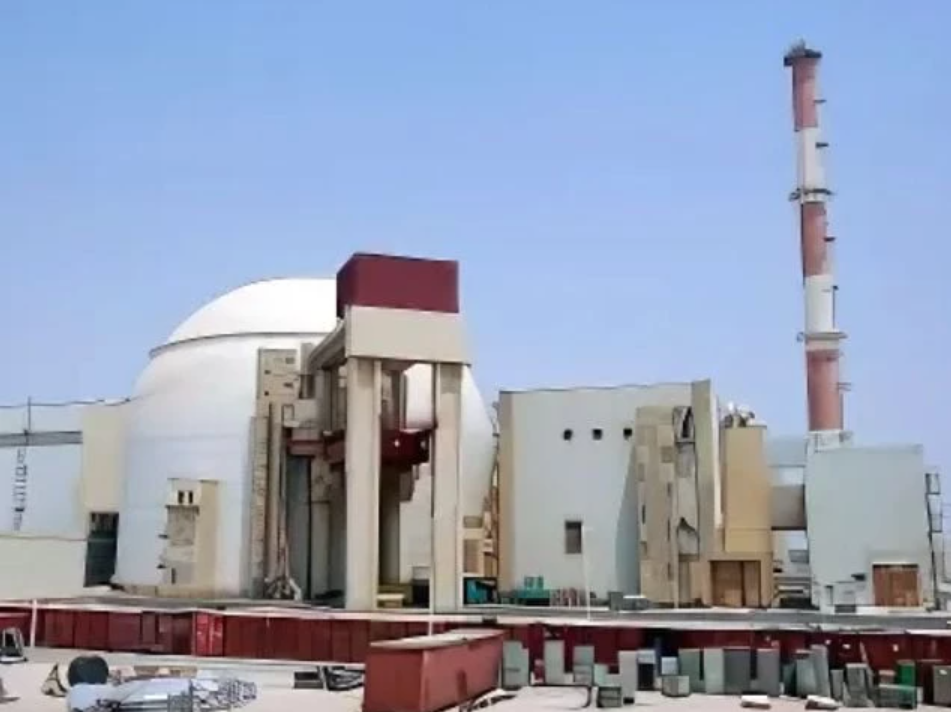
The International Atomic Energy Agency (IAEA) confirmed that Israel’s airstrikes directly hit the underground uranium enrichment halls at Iran’s Natanz nuclear facility. Initial reports suggested only above-ground damage, but new satellite imagery showed direct impacts to critical underground infrastructure.
Centrifuges and the site’s power systems were likely severely damaged. While the Fordow and Isfahan facilities sustained less damage, the Isfahan complex’s uranium conversion plant—vital for feeding material into enrichment—was destroyed.
Civilians and Humanitarian Workers Among the Dead
Amid heavy bombardment, Israel ordered the evacuation of residents in Tehran’s District 3, home to key government buildings and embassies. The district was targeted by Israeli warplanes shortly afterward. Local reports confirm at least three Iranian Red Crescent workers, including paramedic Mojtaba Maleki, were killed during the strikes while performing rescue operations.
Iranian authorities report that at least 224 people, mostly civilians, have died, and more than 1,000 have been injured since Israel’s first wave of strikes. On the Israeli side, the government reports 24 civilian deaths and hundreds wounded from Iran’s retaliatory missile attacks.
Leaders Stand Firm as Threat of Wider War Looms
Israeli Prime Minister Benjamin Netanyahu vowed to continue targeting “every asset of the regime,” asserting that Iran’s nuclear ambitions must be destroyed. Iranian President Masoud Pezeshkian responded with a warning of “a more severe and powerful response” if attacks continued.
The conflict, rooted in Israel’s claims that Iran is on the verge of developing nuclear weapons—an accusation Tehran denies—has now expanded into a broader geopolitical crisis. The IAEA has declared Iran in breach of its nuclear obligations for the first time in nearly 20 years.
Global Impact and Escalating Risks
Oil markets remain on edge, with concerns about disruptions to global supply heightened by missile strikes near the Strait of Hormuz, a vital energy corridor. A recent collision and fire involving two oil tankers near the strait intensified fears.
As calls for de-escalation grow louder from the international community, both Israel and Iran appear committed to pressing forward. With nuclear facilities targeted, cities under fire, and senior officials assassinated, the crisis shows no sign of slowing—and the threat of a broader regional war looms large.