TEHRAN / TEL AVIV / UNITED NATIONS — June 14, 2025
Tensions in the Middle East have reached a boiling point as Israel and Iran exchange a devastating series of air and missile strikes, targeting each other’s military and nuclear infrastructure, and leaving scores dead and injured on both sides.
The conflict erupted early Friday when Israel launched a wide-ranging assault on Iran, hitting over 200 targets including key military command centers and nuclear sites. The strikes reportedly killed at least 78 Iranians, among them top generals of the Islamic Revolutionary Guard Corps (IRGC) and senior nuclear scientists. Over 320 others were injured in cities including Tehran, Isfahan, Shiraz, Natanz, and Tabriz.
Among those killed were Major General Mohammad Baqeri, chairman of Iran’s Joint Chiefs of Staff; IRGC chief commander Major General Hossein Salami; Aerospace Force commander Brigadier General Amirali Hajizadeh; and Khatam al-Anbia Headquarters head Major General Gholamali Rashid—all veterans of the Iran-Iraq War. Also reported dead were top nuclear figures, including former Atomic Energy Organization chief Fereydoun Abbasi and Islamic Azad University president Mohammad-Mehdi Tehranchi.
Iranian officials called the strikes a “major escalation,” with state media showing images of destruction and civilian casualties, including a child pulled from rubble in Tehran. In response, Iran’s Supreme Leader Ayatollah Ali Khamenei appointed new top commanders and vowed retribution, warning, “The Zionist regime has sealed its bitter and painful destiny.”
Hours later, Iran retaliated with a wave of over 100 ballistic missiles and drones, targeting cities across central Israel including Tel Aviv and Jerusalem. The strikes killed at least three people and wounded 91, according to Israeli officials. Iran’s Revolutionary Guard confirmed the salvo, saying dozens of Israeli military installations were targeted.
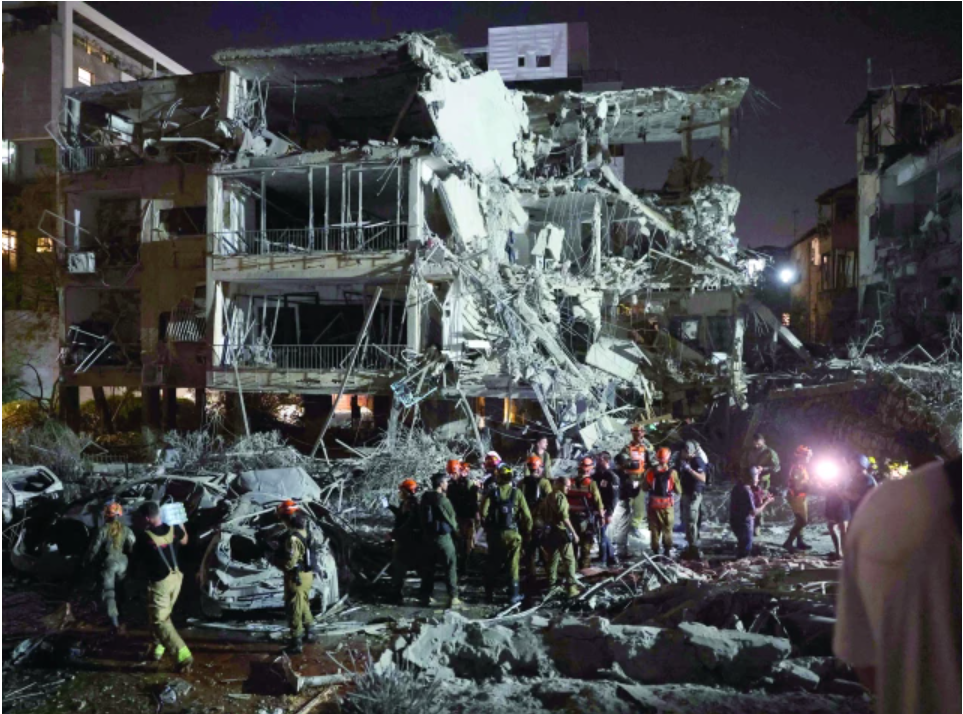
In Tel Aviv’s Ramat Gan suburb, nine buildings were destroyed and hundreds of apartments damaged, forcing the evacuation of about 400 residents. Fires and rescue efforts were underway in multiple locations. “There are a limited number of hits on buildings,” said an Israeli military spokesperson, “some from shrapnel due to interceptions.”
The Israeli military said most of the Iranian missiles were intercepted, with assistance from the U.S. military. However, a “limited number” of projectiles caused structural damage. U.S. officials confirmed prior knowledge of Israel’s operation but stated they were not involved in the offensive. Iran, however, accused the U.S. of complicity, warning of consequences for aiding and enabling the strikes.
In the early hours of Saturday, Israel launched a second round of attacks, this time focusing on Iran’s air defense systems. Israeli officials declared the strikes would continue “as long as necessary.”
Meanwhile, the International Atomic Energy Agency (IAEA) confirmed that Iran’s key uranium enrichment site in Natanz suffered damage to an aboveground facility. Minor damage was also reported at the Fordow nuclear site and warehouse complexes in Isfahan. IAEA chief Rafael Grossi warned the UN Security Council that attacks on nuclear facilities “endanger nuclear safety, safeguards, and regional stability.”
The United Nations has called for de-escalation, while Pakistan issued a strong condemnation of Israel’s actions. In a statement, Islamabad denounced the strikes as “unjustified and illegitimate aggression,” adding that they violated the UN Charter and Iran’s sovereignty. Pakistan’s Deputy Prime Minister and Foreign Minister Ishaq Dar spoke with his Iranian counterpart Seyed Abbas Araghchi, reaffirming support and calling for regional peace.
Global Fallout and Regional Ramifications
The conflict has intensified existing regional tensions. At the UN, Iran’s ambassador Amir Saeid Iravani accused the United States of bearing responsibility, saying Washington “shares full responsibility for the consequences.”
Adding to the global concern, human rights groups highlighted the continuing violence in Gaza. The Palestinian Health Ministry reported that the Israeli offensive there has now killed over 55,000 people since October 2023. The International Criminal Court (ICC) has issued arrest warrants for Israeli Prime Minister Benjamin Netanyahu and former Defense Minister Yoav Gallant on charges of war crimes.
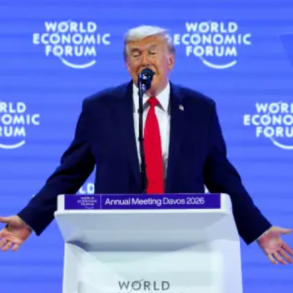
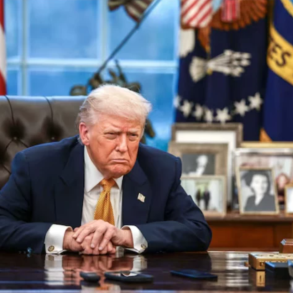
The broader geopolitical implications remain uncertain. While the United States urged Iran to avoid targeting American interests, former President Donald Trump warned Tehran to “make a deal before there is nothing left,” though he claimed he did not want a full-scale war.
With the Israel-Iran conflict showing no signs of immediate de-escalation, international observers fear the region could be headed toward a broader and more destructive confrontation.