

By: Hira A. Malik
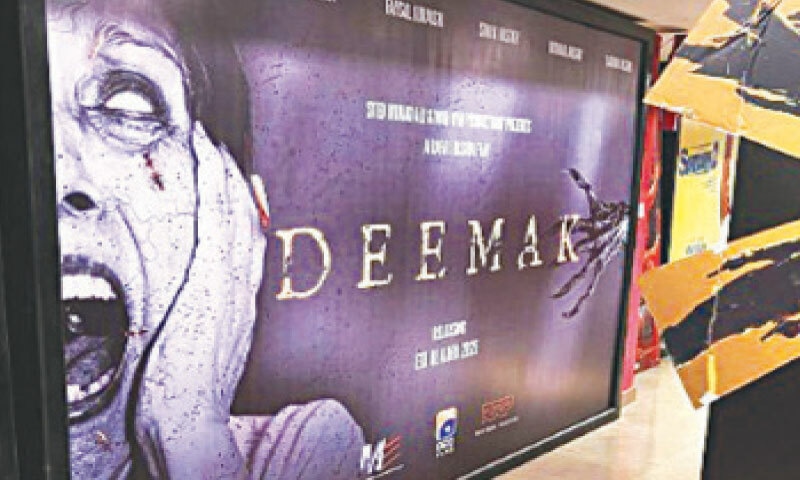
By all appearances, the silver screen in Pakistan is slowly going dark. The magic of cinema — once a shared, communal thrill — is fading, not with a bang, but with a stubborn, whimpering flicker. Since 2018, 67 cinemas have shut their doors across the country. This Eid, only two local films — Deemak and Love Guru — are scheduled for release. It’s hard not to ask: is the final curtain about to fall?
The culprit? That’s easy to point out — OTT platforms. Netflix, Amazon Prime, Zee5 — these streaming giants have reshaped our viewing habits, offering a world of content at the swipe of a screen and at a fraction of a cinema ticket’s cost. But it would be too convenient to blame the digital revolution alone.
Let’s be honest: going to the movies in Pakistan has become a luxury, not a pastime. Single-screen cinemas that once catered to the average citizen have given way to glitzy multiplexes with ticket prices out of reach for most families. When watching a film becomes a financial decision instead of a spontaneous joy, the audience starts looking for alternatives — and they’ve found them, in droves, online.
“This isn’t just about entertainment; it’s a cultural loss,” says veteran distributor Sheikh Abid. In Punjab alone, only 39 cinemas remain. That’s not just a number — that’s a crisis. We’re watching the slow erosion of a cultural institution, and most of us are too distracted — or perhaps too indifferent — to notice.
Yet, as actor Shaan Shahid rightly pointed out, the soul of cinema isn’t infrastructure. It’s content. Compelling stories still have the power to draw crowds. The experience of watching a film in a darkened theatre, with laughter or tears echoing in a shared space, can’t be replicated by watching Netflix on your phone while multitasking.
So why does it feel like we’ve given up?
Producer Kanwal Khoosat offers a hard truth: it’s not cinema that’s outdated, it’s our approach to it. In the West, filmmakers still treat OTT releases as second-tier. Here, it often feels like we’re doing the opposite — feeding OTT first, and letting cinema scavenge for scraps. We need to rebuild the cinema industry with our own audiences in mind — not just aim for global streaming success while neglecting the home front.
And the problems run deeper than content pipelines. Director Yasir Nawaz is right to highlight structural issues: high ticket prices, minimal government support, and a system that’s more reactive than proactive. Without consistent policies, subsidies, or incentives, cinemas are forced to survive on thin margins. That’s not just bad business — it’s cultural neglect.
There are glimmers of hope. Provinces like Punjab and Sindh are taking early steps toward funding local films. But as director Nadeem Baig insists, revival needs consistency. A dozen quality films a year — that should be the bare minimum, not a high bar.
And the talent is there. Pakistani series like Churails and Barzakh have shown the world that we have bold storytellers, skilled actors, and visionary directors. Why aren’t we nurturing them for our own big screens?
Actor Humayun Saeed believes OTT and cinema can co-exist — and he’s right. But without a regular supply of compelling content, one will starve. Cinema needs fuel. Not nostalgia, not excuses. Stories.
Veteran Nayyer Ejaz and screenwriter Pervaiz Kalim both emphasize mentorship and craft. We need screenwriters who understand today’s world, young directors who aren’t afraid to experiment, and producers willing to take calculated risks. As Wahaj Ali puts it, “It’s not about AI or OTT — it’s about belief in the product.”
And yes, people have written cinema’s obituary before — after COVID, after streaming, after piracy. But as Vasay Chaudhry optimistically notes, the big screen still has magic. The question is: will we fight to keep it alive?
So here’s the challenge, and perhaps the opportunity. Will Pakistan’s film industry embrace reinvention, or cling to a fading past? Will it finally bet on its creatives, or continue to lose them to digital platforms that see their value more clearly?
For now, the projector is still running. The seats are still there. But without bold choices, urgent collaboration, and real investment — the credits may roll sooner than we’d like.