
Pakistan’s annual inflation, measured by the consumer price index (CPI), rose by 3.46% in May 2025 compared to the same month in 2024, according to data released by the Pakistan Bureau of Statistics (PBS) on Monday. However, on a monthly basis, the national CPI dropped slightly by 0.17% from April 2025.
The CPI is calculated using the 2015–16 base year, combining both urban and rural price trends. In May, urban inflation saw a modest monthly increase of 0.07%, while rural inflation fell by 0.53%.
For the eleven-month period from July 2024 to May 2025, average inflation was recorded at 4.61%, compared to the same stretch in 2023–24.
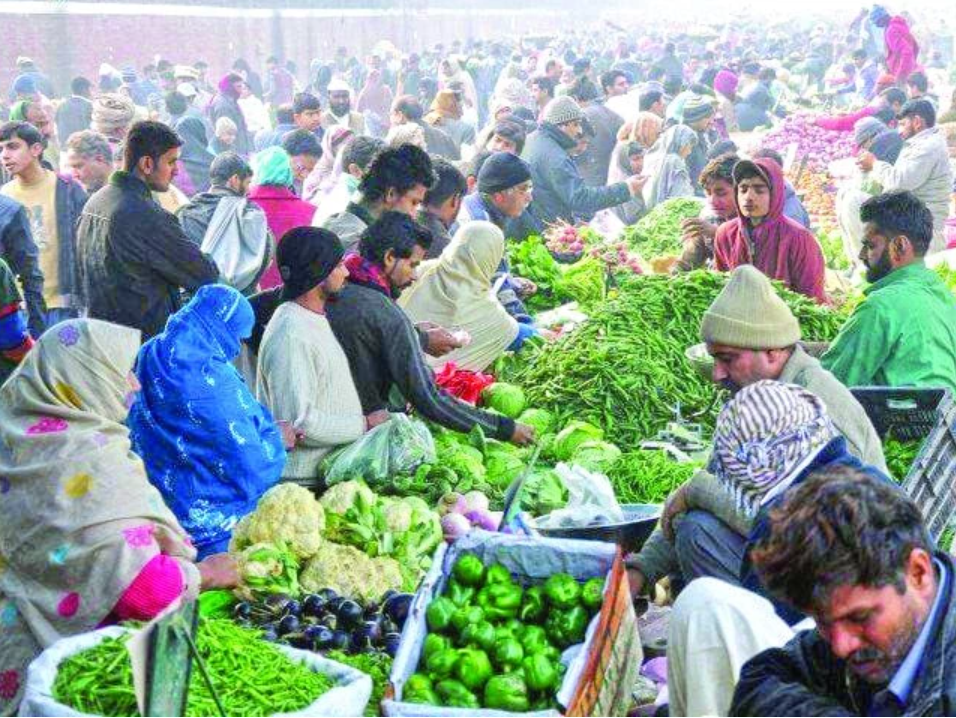
The slight dip in the national index was driven by declines in categories like housing and perishable food items. In urban areas, price increases in key food staples such as eggs (+24.38%) and chicken (+8.63%) contributed to the overall rise, while tomato (-20.80%) and onion (-12.05%) prices saw significant declines.
In rural regions, there was a more pronounced drop in food prices, particularly tomatoes (-32.99%), onions (-18.37%), and wheat flour (-10.52%). However, rural areas still reported price hikes in eggs (+19.27%) and fresh fruits (+5.07%).
For non-food items, urban consumers saw higher costs for cotton cloth (+3.20%) and motor vehicles (+1.86%), whereas electricity charges (-7.03%) and motor fuel (-0.67%) saw decreases. In rural areas, dental services (+5.97%) and education (+1.59%) posted notable increases.
Looking at year-on-year figures, urban inflation was up by 3.51%, while rural inflation grew by 3.39%.
Nationally, prices for food and non-alcoholic beverages rose 3.07% on an annual basis, with non-perishable food items up 5.01%. In contrast, perishable food prices dropped by 9.21%. Alcoholic beverages and tobacco saw a 7.86% yearly rise, while clothing and footwear surged by 9.66%.
The largest annual price increases were observed in clothing, tobacco, and non-perishable food items, while vegetables and fruits saw price reductions.
The PBS compiles this CPI data from 35 urban and 27 rural centres, tracking 600 consumer items in total. The index serves as a key economic indicator, shaping monetary policy and informing economic decisions.